

Legal Content Writer

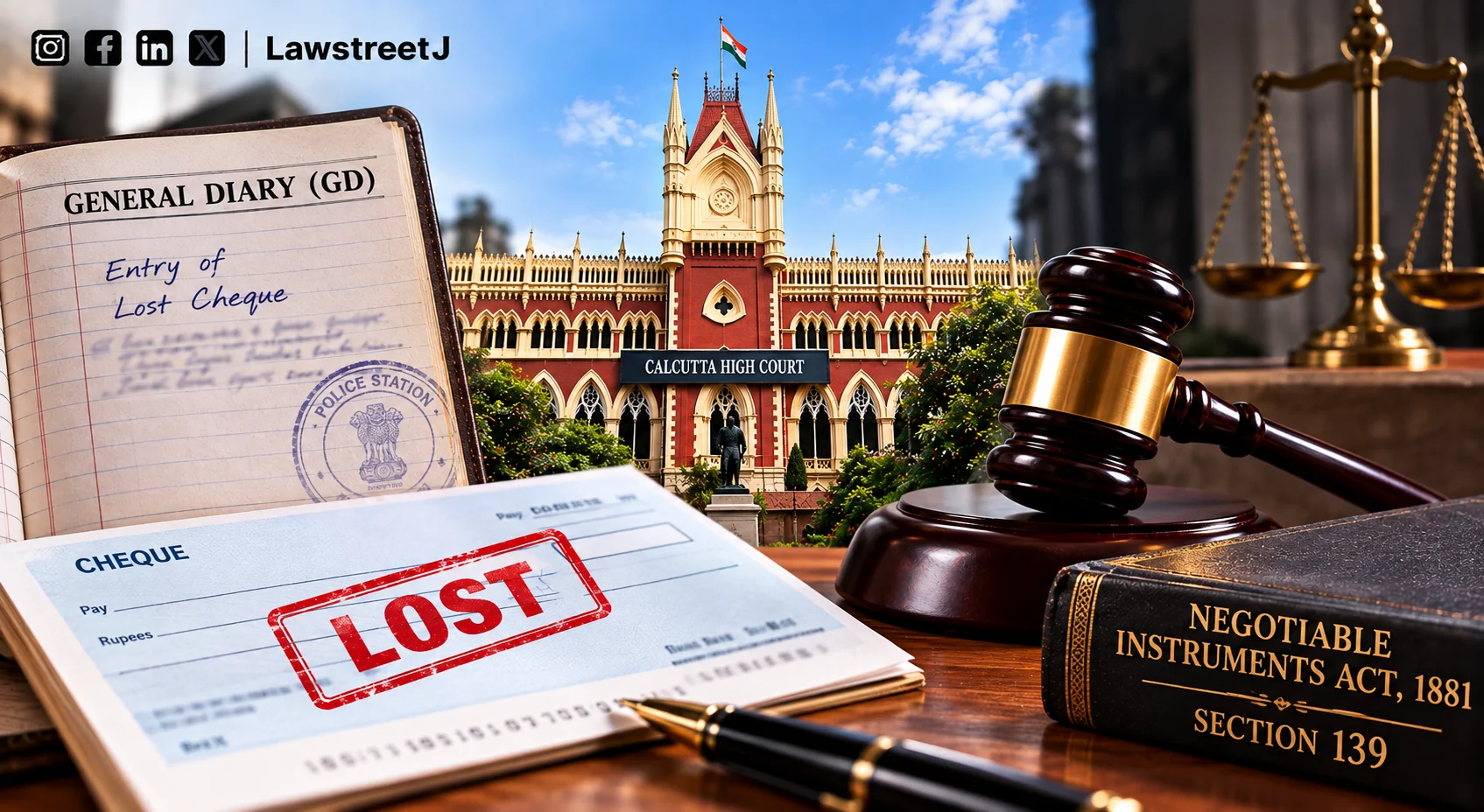
The Calcutta High Court held that an uncorroborated GD entry reporting a lost cheque cannot rebut the Section 139 NI Act presumption, while retaining ₹35,000 compensation.
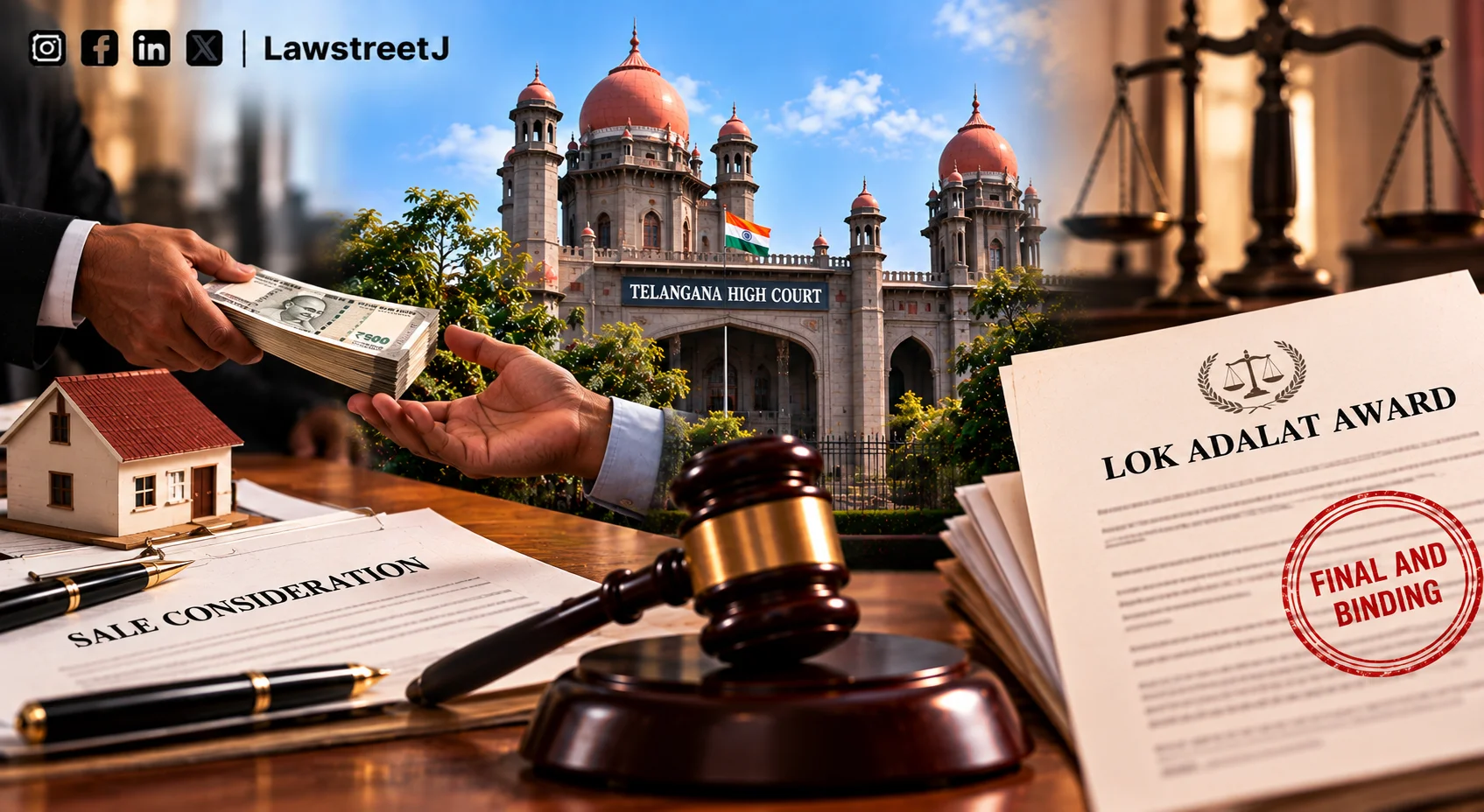
Read Full ArticleThe Telangana High Court dismissed a challenge to a 2013 Lok Adalat Award, holding that parties who retained sale consideration could not allege fraud and that jurisdiction objections were belated.
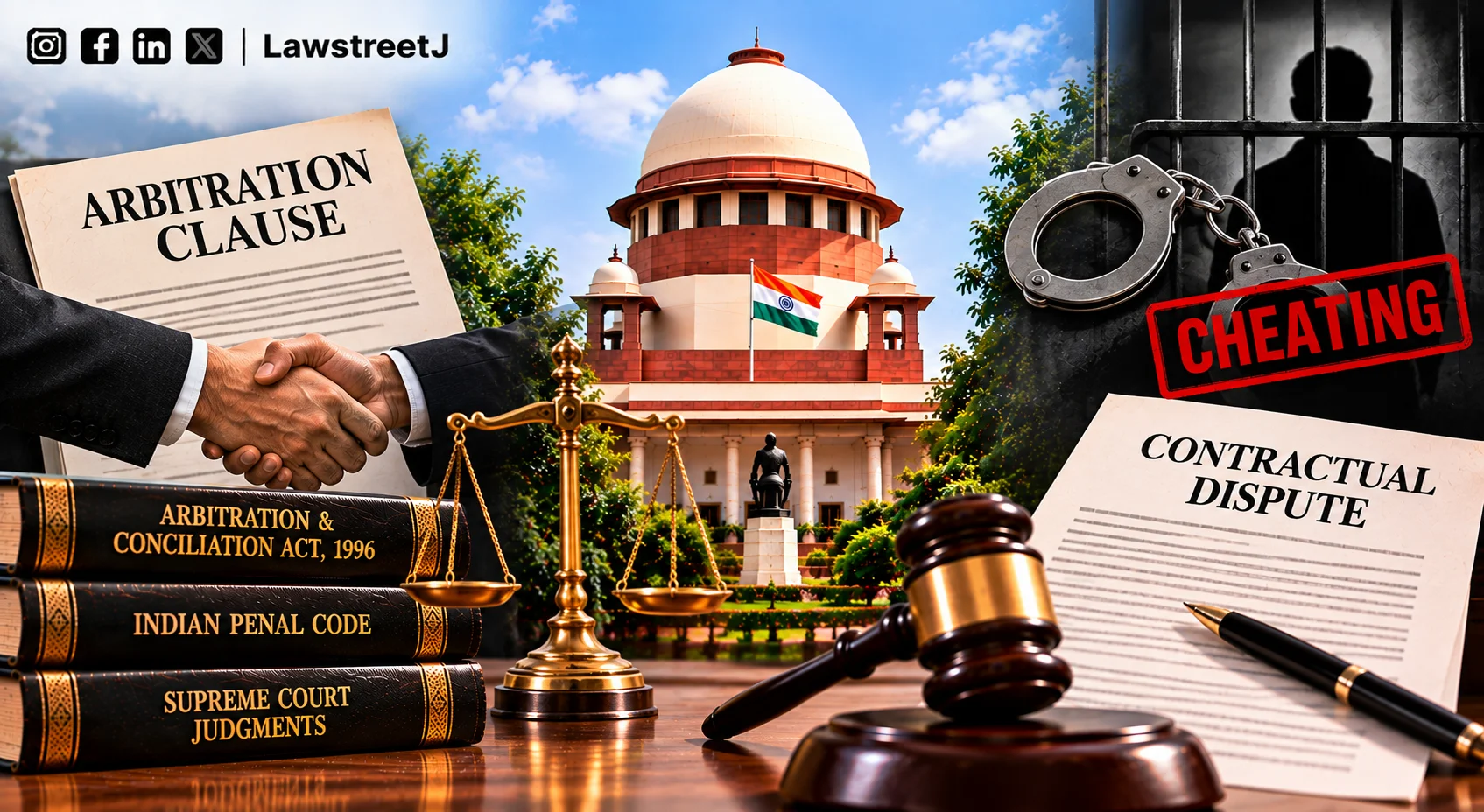
The Supreme Court quashed a cheating case against a tea company CEO, holding that a failed contractual transaction and transfer of ₹40 lakh to the company’s account did not establish dishonest intention from inception.
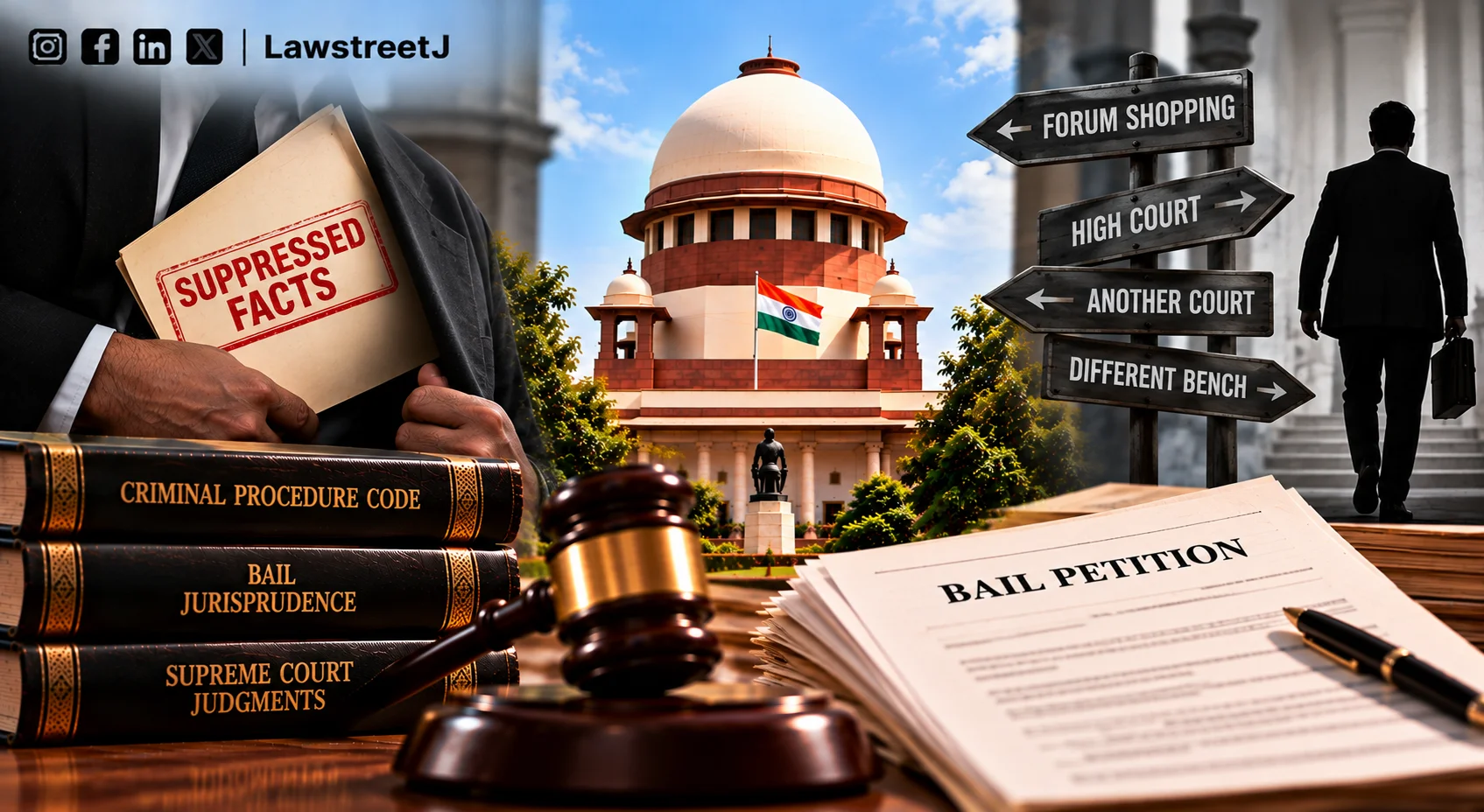
The Supreme Court revived a bail petition in an alleged ₹43 crore GST fraud case, citing suppression of facts and forum shopping while continuing interim bail.
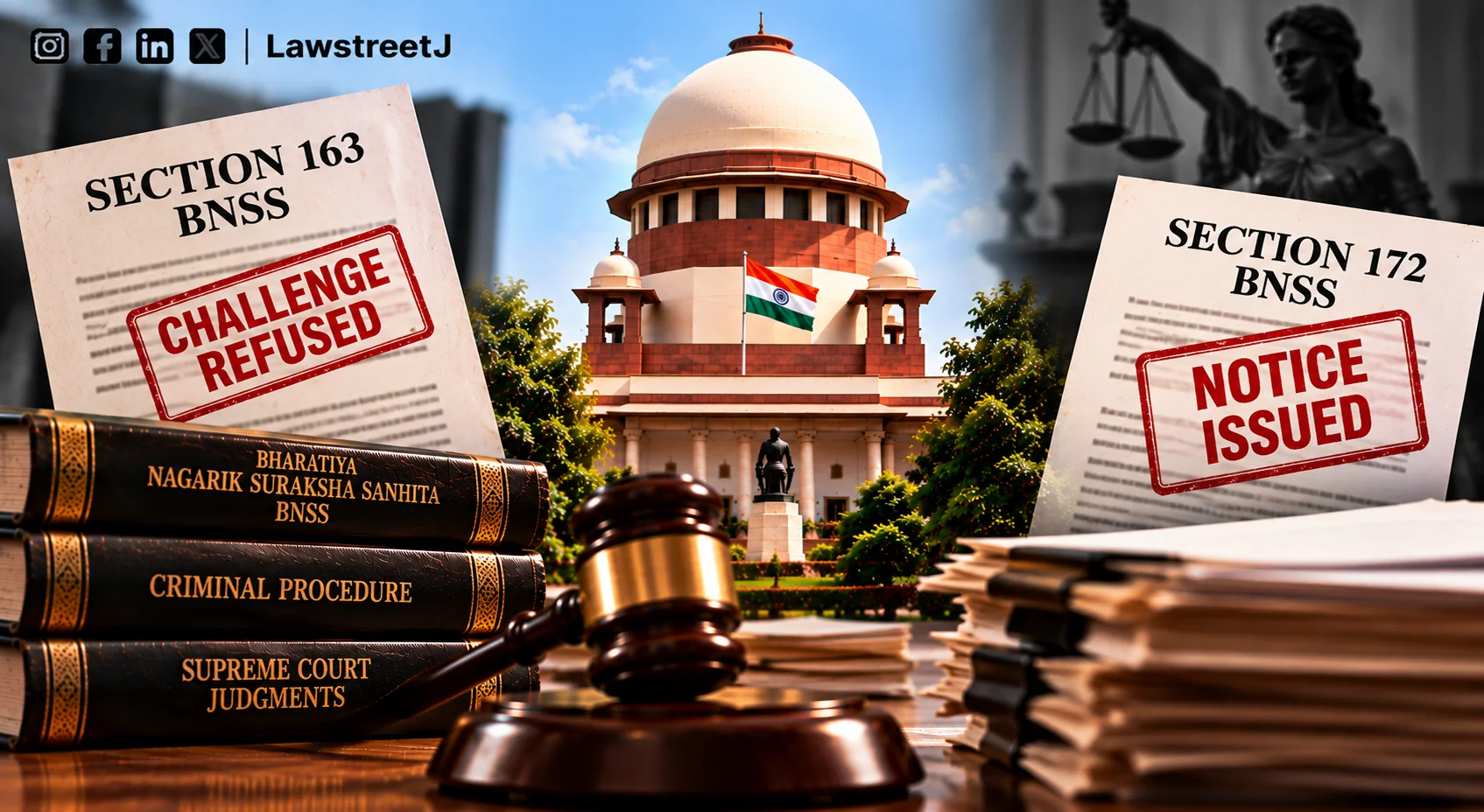
The Supreme Court directed law enforcement agencies to preserve CCTV footage and digital evidence in Section 163 BNSS cases and agreed to examine Section 172 BNSS's validity.
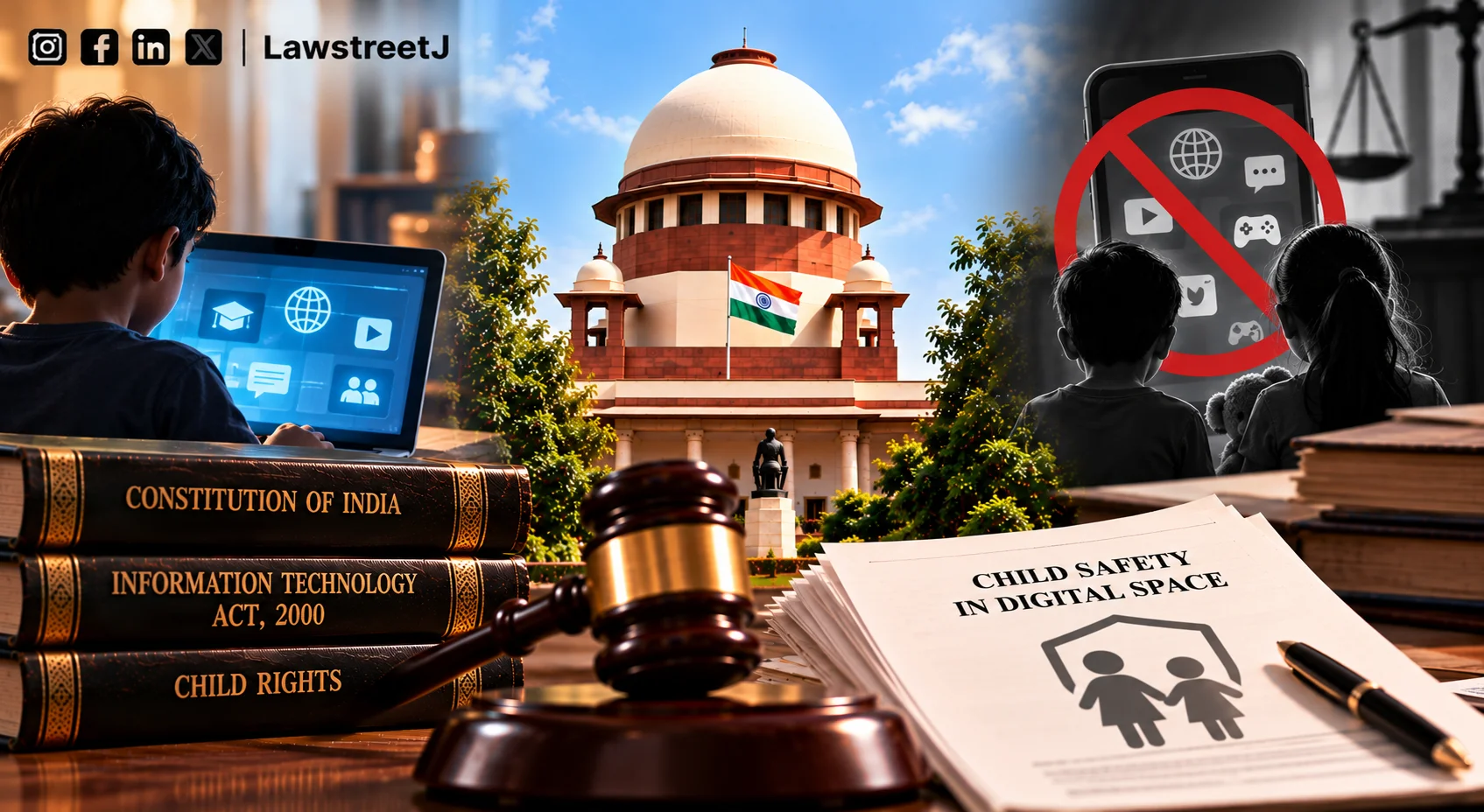
The Supreme Court directed the Centre to create a National Hash and URL Database to remove child sexual abuse material and strengthen social media platforms’ accountability.
The Supreme Court held that a nephew is not ‘family’ under Section 3(g) of the UP Urban Buildings Act, ordering eviction from a sub-let shop.
The Supreme Court held that Section 17A of the Prevention of Corruption Act does not protect public servants accused of demanding bribes unrelated to official duties.
The Supreme Court directed a mother to return her US-citizen daughter to the USA, holding that child welfare prevails over foreign court orders in custody disputes.
The Delhi High Court held that women can be charged with gang rape under Section 70 BNS and Section 376D IPC, but a woman alone cannot face such a charge.
The Supreme Court set aside an Allahabad High Court order for a joint trial, holding that separate trials are the norm and clubbing the sessions case with a complaint case was unwarranted.
The Madras High Court rejected a petition challenging TVK’s Salem North victory, holding that children urging parents to vote for the party did not disclose undue influence.
The Madras High Court upheld ₹10,000 monthly interim maintenance and directed Tamil Nadu district judges to collect data on matrimonial disputes involving 2020–2022 marriages.
The Delhi High Court granted 30-day parole to a rape convict to consult counsel and file an SLP, holding that free legal aid cannot justify denying parole.
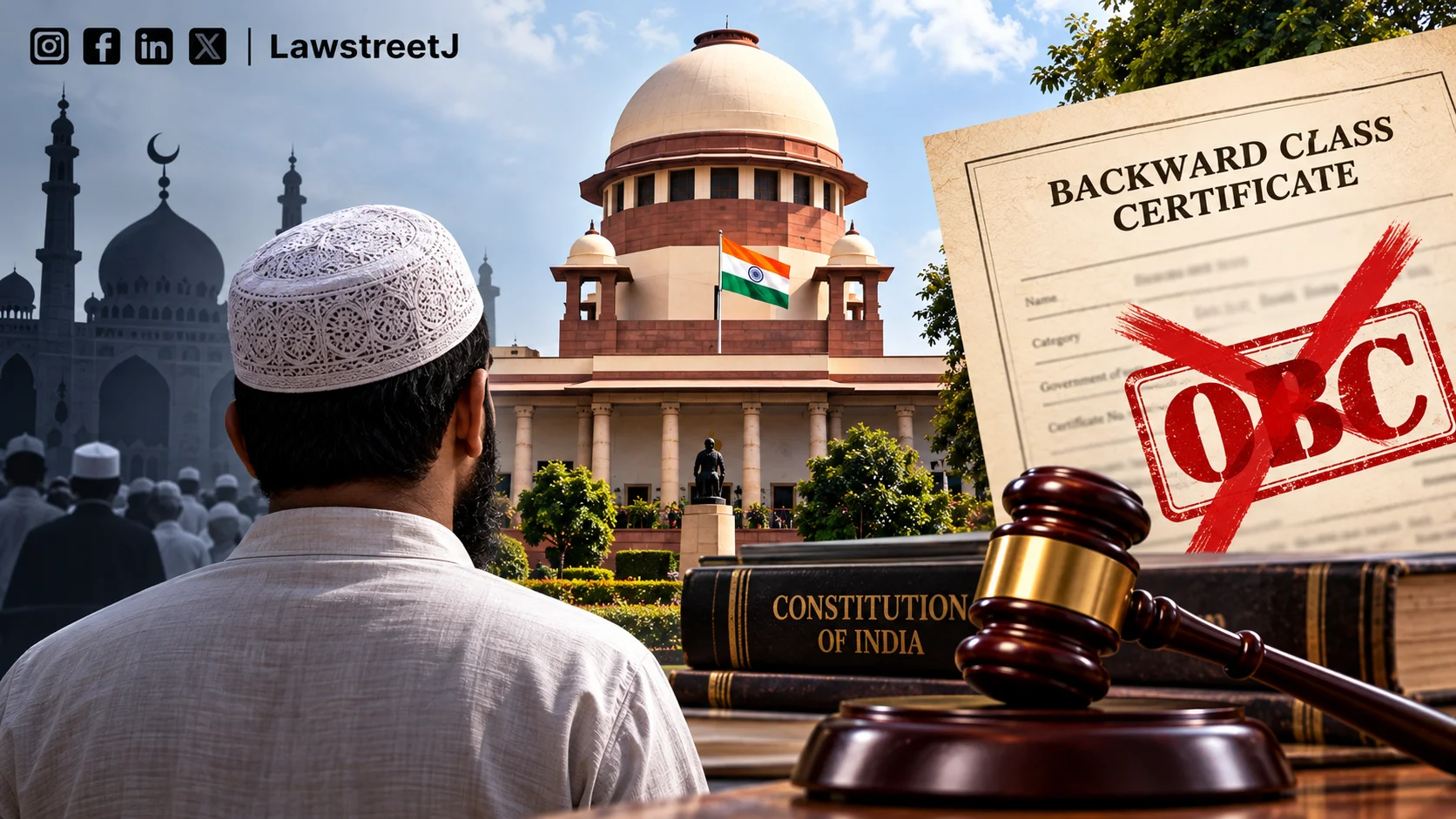
The Supreme Court dismissed Tamil Nadu’s plea, holding that conversion to Islam does not automatically confer membership of a notified Backward Class Muslim community.

The Senior Citizen Rights Handbook is a comprehensive guide designed to empower elderly citizens with clear and accessible knowledge of their legal and social rights in India.