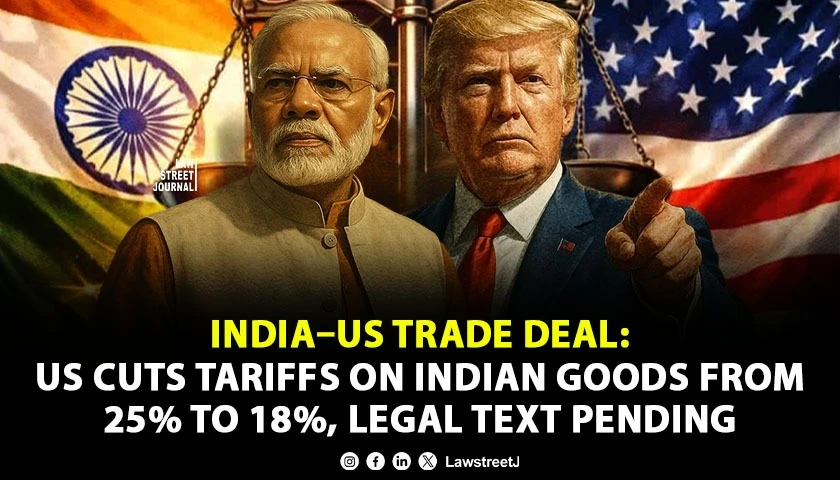
New Delhi: The United States and India have announced progress toward a trade deal, with President Donald Trump confirming a reduction in reciprocal tariffs on Indian goods from 25% to 18% following a call with Prime Minister Narendra Modi. However, the legal text of the agreement is still being finalized, meaning the deal has not yet been formally signed.
Announcement of Tariff Reduction:
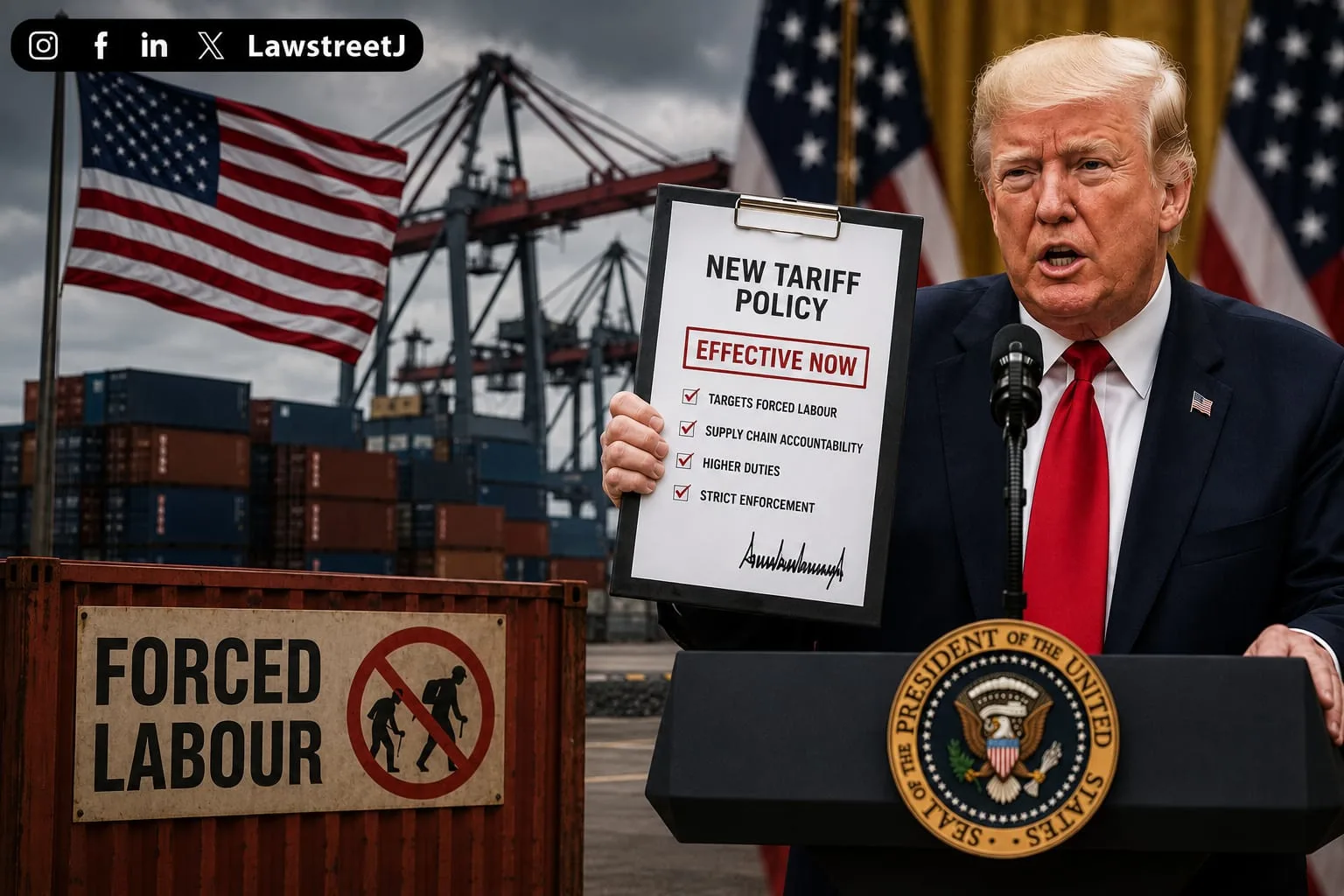
On February 2, 2026, President Donald Trump announced that the United States would lower tariffs on Indian imports from 25% to 18%, effective immediately. The announcement followed a phone call with Prime Minister Narendra Modi, during which both leaders discussed the framework of a long-awaited trade deal. Trump described the move as a gesture of “friendship and respect,” while Modi welcomed the tariff cut, stating that “Made in India” products would now face reduced duties in the U.S. market.
The tariff reduction is expected to benefit Indian exporters in sectors such as pharmaceuticals, textiles, engineering goods, and IT services, which had previously faced steep duties. Modi expressed gratitude on behalf of India’s 1.4 billion citizens, emphasizing the potential for expanded trade opportunities.
Legal and Economic Dimensions:
Despite the announcement, the legal text of the agreement is still being finalized, and sector-specific details have yet to be released. Officials confirmed that the deal remains subject to parliamentary and congressional review, meaning it is not legally binding until ratified. From a legal standpoint, the agreement is expected to comply with World Trade Organization (WTO) rules, ensuring that tariff adjustments remain within permissible limits. The United States has also indicated that India will ease non-tariff barriers and reduce duties on American goods, though these commitments have not yet been codified.
Economically, the tariff cut positions India more competitively in the U.S. market. Analysts project that Indian exports could rise by 10–15% in the next fiscal year, particularly in pharmaceuticals and software services. However, the absence of finalized legal text means these projections remain contingent on the formal signing of the deal.
Strategic and Geopolitical Implications:
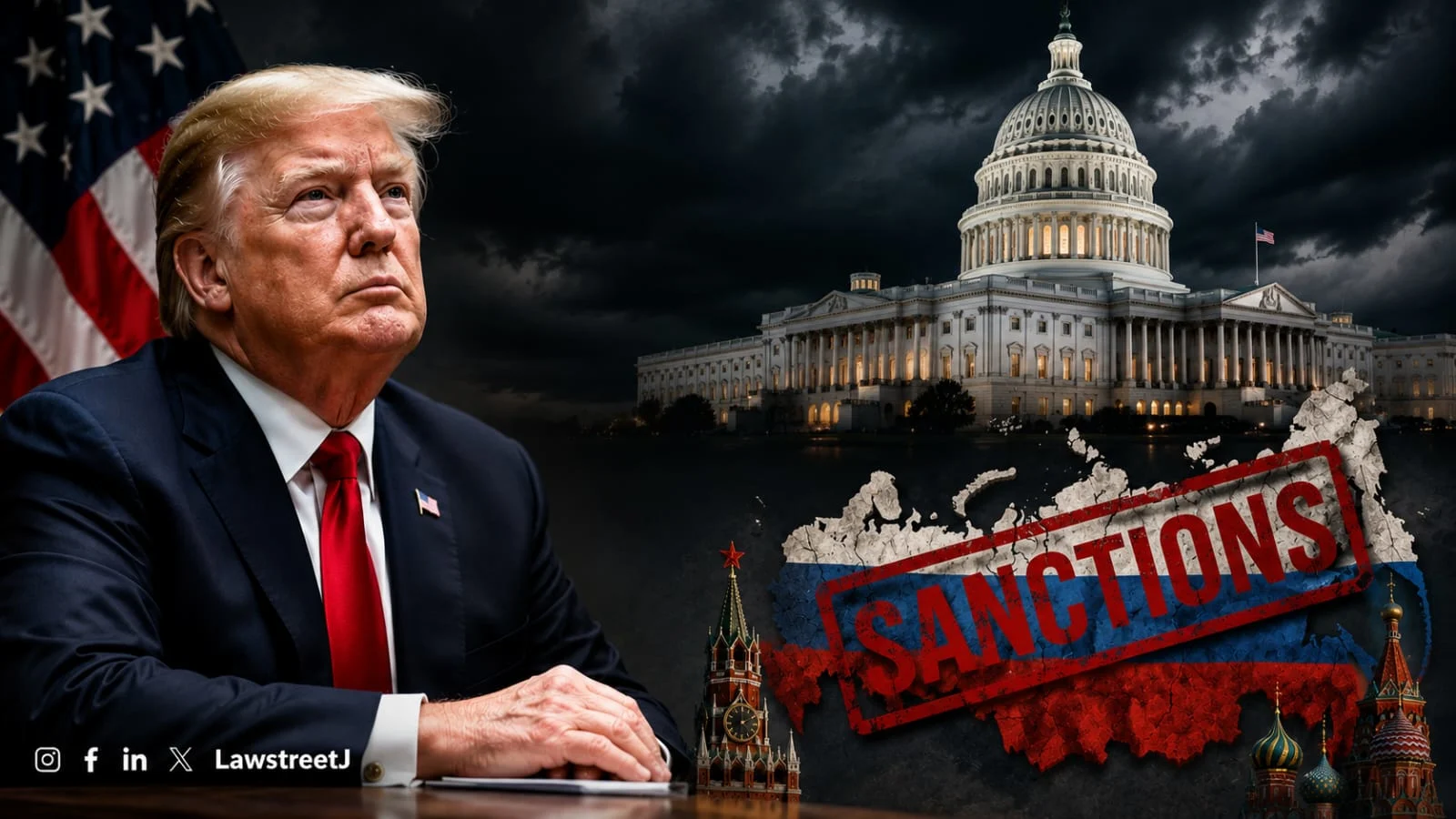
The announcement also carries geopolitical significance. President Trump stated that Prime Minister Modi agreed to halt Russian oil imports and redirect purchases toward the United States and Venezuela, aligning India more closely with U.S. foreign policy objectives amid sanctions on Russia. Modi has not yet issued a detailed statement confirming the full scope of this commitment, leaving questions regarding its implementation.
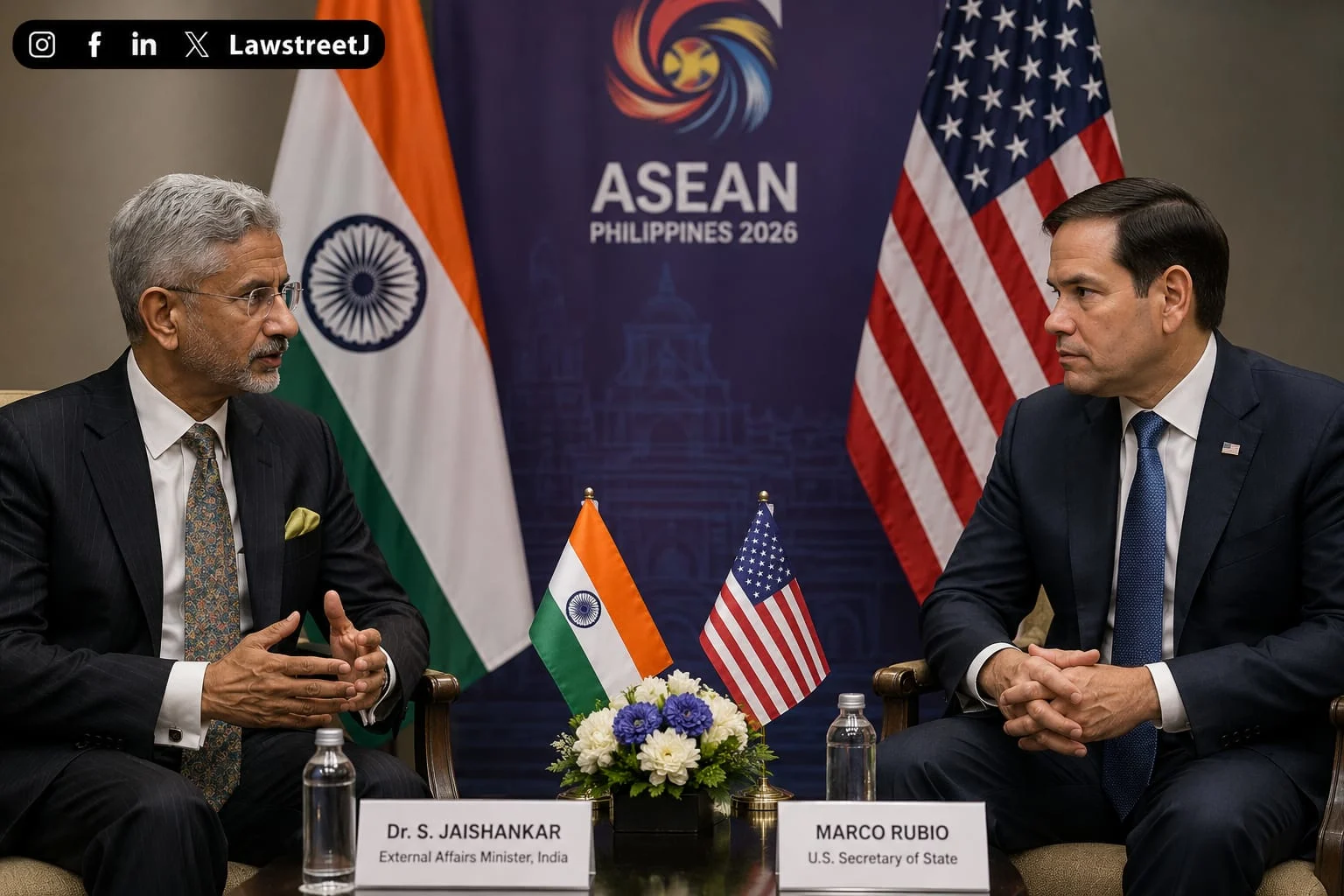
The deal signals a thaw in relations that had been strained by tariffs and disagreements over agriculture. For the United States, the agreement secures commitments to expand American exports, while for India, the reduced tariff burden strengthens its export competitiveness. Strategically, the deal could pave the way for expanded cooperation in defense, technology, and energy sectors, though these remain subject to further negotiation.
The India–U.S. trade deal announced on February 2, 2026 represents progress toward resolving longstanding trade disputes, but it is not yet finalized. While tariffs on Indian goods have already been reduced from 25% to 18%, the legal text of the agreement remains under negotiation, and commitments on agriculture, energy, and non-tariff barriers are still pending.
As both governments work to finalize the agreement, the deal stands as a potential milestone in bilateral relations, combining economic pragmatism with geopolitical alignment. Until the legal framework is signed, however, the announcement remains a political and economic signal rather than a binding treaty.