38.6c New Delhi, India, Saturday, March 28, 2026
Top Stories Supreme Court
Political NEWS Legislative Corner Celebstreet International Videos
Subscribe Contact Us
close
Judiciary

PIL by Ashwini Upadhyay in SC for declaring TDS as arbitrary, irrational and against Constitution

By Jhanak Sharma      30 December, 2024 06:06 AM      0 Comments
PIL by Ashwini Upadhyay in SC for declaring TDS as arbitrary irrational and against Constitution

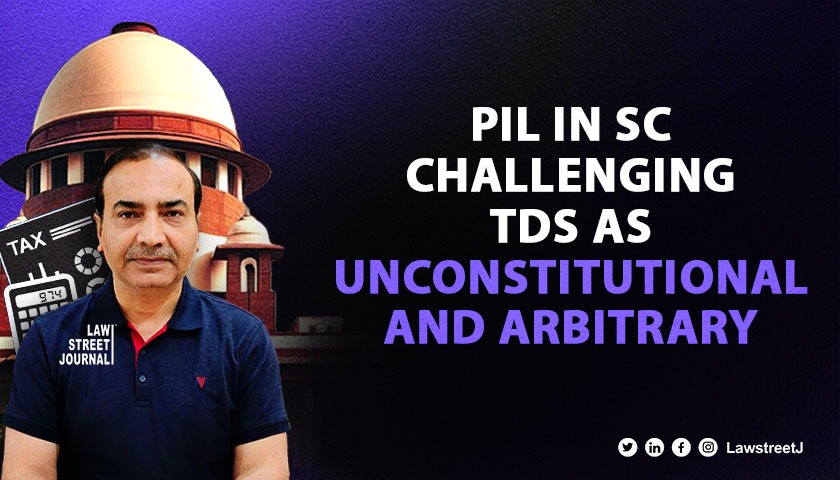
NEW DELHI: A PIL has been filed by eminent lawyer Ashwini Kumar Upadhyay seeking a declaration that the Tax Deducted at Source (TDS) system is manifestly arbitrary, irrational and against Articles 14, 19, 21 of the Constitution, hence void and inoperative.

It claimed the regulatory and procedural framework surrounding TDS is excessively technical, often requiring specialised legal and financial expertise, which most assessees lack. The result is an unjust shifting of sovereign responsibilities from the government to private citizens without adequate compensation, resources, or legal safeguards.

Alternatively, the petitioner sought a direction to the NITI Ayog to consider the grounds and contentions raised in this petition and suggest the necessary changes in Tax Deducted at Source (TDS) system; or direct the Law Commission of India to examine the legality of the Tax Deducted at Source (TDS) system and prepare a report within three months.

The PIL contended Illiterate or economically weaker assessees, who lack the capacity to navigate technical framework, suffer undue hardship and harassment, undermining the constitutional guarantee of equality before the law under Article 14.

"This amounts to an indirect tax burden imposed on TDS assessees, which lacks explicit legislative sanction, making it unconstitutional and against public interest," it stated.

The TDS regime adversely impacts small earners and those below the taxable threshold, as tax is often deducted at source despite their incomes being non-taxable. This creates a system where small taxpayers are forced to file refund claims for excess TDS. It is economically unviable for many due to the cost of professional assistance and repeated visits to tax offices, which can lead to harassment and loss of time.

"Many taxpayers, especially in rural and economically weaker sections, forgo their rightful refunds, resulting in unwarranted enrichment of the Government. This practice violates the constitutional principles of fairness, equity, and public interest, as it disproportionately exploits the most vulnerable segments of society," it said.

The petitioner stated the PIL is for the benefit of TDS assessees who have become a cog in the financial machinery of the country.

"No heed is paid to the illogical work system where private entities are bound to stricter regulations than the government officials. The transfer of sovereign duty on private entities without compensating them for the same is arbitrary and against the fundamental principles of the constitution," the PIL said.

The petitioner stated the Government’s objectives of timely and regular tax collection can be achieved more effectively and equitably by replacing the TDS regime with a system of monthly advance tax payments.

"Under this alternative: Taxpayers earning taxable income beyond the exempt limit can be required to remit monthly installments of advance tax directly to the Government. This eliminates the need for intermediaries (i.e., TDS assessees) and reduces procedural complexities for individuals making payments subject to TDS. The Income Tax Department’s technological infrastructure, including the PAN and e-filing systems, is sufficiently advanced to track advance tax payments and ensure compliance," it said.

The PIL claimed the proposed system offers more advantages over the TDS regime as it reduces hardships for TDS Assessees. By shifting the tax compliance burden to those earning taxable income, the alternative system alleviates the hardships faced by TDS assessees, particularly those who are illiterate/lack expertise.

This new system enhances compliance by taxpayers as those with taxable income would be directly responsible for calculating and remitting taxes, ensuring greater accountability and transparency. It would encourage fairness in tax administration with the principles of equity and proportionality by holding actual income earners, rather than intermediaries, accountable for their tax liabilities.



Share this article:

About:

Jhanak is a lawyer by profession and legal journalist by passion. She graduated at the top of her cl...Read more

Follow:
FacebookTwitterLinkedinInstagram


Leave a feedback about this
Related Posts
View All

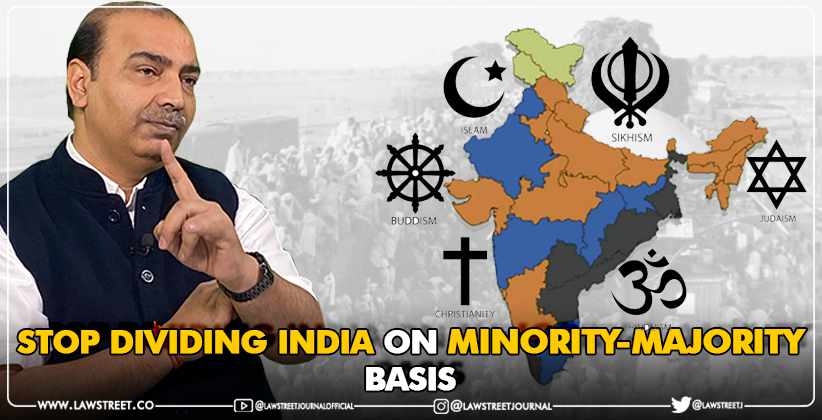
Stop Dividing India On Minority-Majority Basis: BJP LEADER ASHWINI UPADHYAY Stop Dividing India On Minority-Majority Basis: BJP LEADER ASHWINI UPADHYAY

The Constitution of India is by the Indians and for the Indians. Globally, there are 6000 plus languages. Can we consider a Chinese or French-speaking person a linguistic minority? If yes, then India would end up having 60+ linguistic minorities. Linguistic minorities may be identified at the district level, and only Indian languages may be considered for protection under Articles 29-30, i.e. a Hindi speaking person is a linguistic minority in Kerala and Tamil speaking in Bihar. The same notion may follow for religious minorities too, and only India originated religions may be considered a religious minority

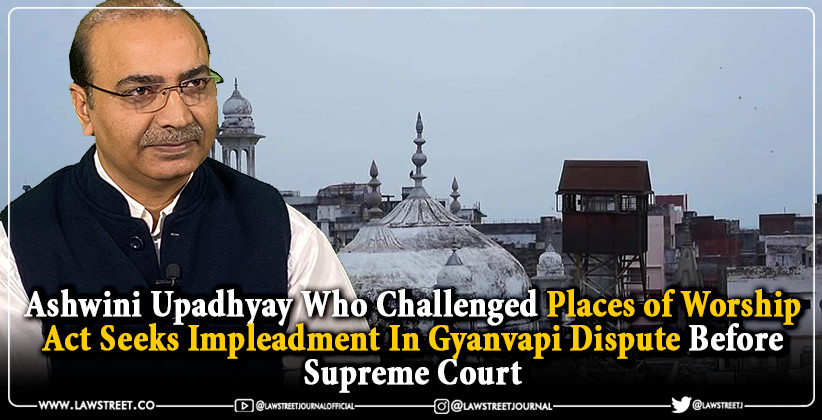
Ashwini Upadhyay Who Challenged Places of Worship Act Seeks Impleadment In Gyanvapi Dispute Before Supreme Court Ashwini Upadhyay Who Challenged Places of Worship Act Seeks Impleadment In Gyanvapi Dispute Before Supreme Court

The Supreme Court had on Friday heard the Special Leave Petition regarding the Gyanvapi issue and had ordered that Order 7 Rule 11 Application being tried in the subordinate court of Varanasi be sent to the District Judge, as the Court was of the opinion that a seasoned hand would be required to handle the matter.

SC to hear plea against validity of Places of Worship Act on Sep 9 SC to hear plea against validity of Places of Worship Act on Sep 9

The Supreme Court is likely to hear on September 9 a plea by BJP leader and advocate Ashwini Kumar Upadhyay challenging validity of the Places of Worship (Special Provisions) Act, 1991, which mandated maintaining character of religious places as prevailed on August 15, 1947.

TRENDING NEWS

section-377-ipc-not-applicable-to-consensual-sexual-acts-between-husband-and-wife-during-marriage-mp-high-court
Trending Judiciary
Section 377 IPC Not Applicable to Consensual Sexual Acts Between Husband and Wife During Marriage: MP High Court [Read Order]

MP High Court holds Section 377 IPC not applicable to sexual acts between husband and wife, partly quashing FIR in dowry and abuse case.

27 March, 2026 03:44 PM
mention-of-quantity-type-in-arrest-notice-sufficient-under-bnss-exact-quantity-not-mandatory-kerala-hc
Trending Judiciary
Mention of Quantity Type in Arrest Notice Sufficient Under BNSS, Exact Quantity Not Mandatory: Kerala HC [Read Order]

Kerala HC rules that mentioning nature of contraband quantity in arrest notice is sufficient under BNSS; exact quantity need not be specified.

27 March, 2026 04:07 PM

TOP STORIES

conversion-to-religion-other-than-hinduism-buddhism-or-sikhism-strips-sc-status-sc
Trending Judiciary
Conversion To Religion Other Than Hinduism, Buddhism Or Sikhism Strips SC Status: SC

Supreme Court rules conversion from Hinduism, Sikhism or Buddhism leads to loss of SC status; SC/ST Act protection denied to Christian convert.

24 March, 2026 05:20 PM
privacy-vs-prohibition-sc-to-examine-legality-of-breathalyser-based-enforcement-in-bihar
Trending Judiciary
Privacy vs Prohibition: SC to Examine Legality of Breathalyser-Based Enforcement in Bihar

Supreme Court to examine legality of breathalyser tests under Bihar Prohibition law, raising key issues on privacy, evidence, and Article 21 rights.

25 March, 2026 06:14 PM
sc-reverses-high-court-acquittal-in-child-rape-case-directs-all-high-courts-to-strictly-follow-ban-on-disclosure-of-victims-identity
Trending Judiciary
SC Reverses High Court Acquittal In Child Rape Case; Directs All High Courts To Strictly Follow Ban On Disclosure Of Victim’s Identity [Read Judgment]

SC restores conviction in child rape case, reverses acquittal, and directs strict compliance with law prohibiting disclosure of victim identity.

26 March, 2026 02:05 PM
allahabad-hc-grants-anticipatory-bail-to-swami-avimukteshwaranand-saraswati-in-pocso-case-rules-section-29-presumption-not-applicable-at-pre-arrest-stage
Trending Judiciary
Allahabad HC Grants Anticipatory Bail to Swami Avimukteshwaranand Saraswati in POCSO Case, Rules Section 29 Presumption Not Applicable at Pre-Arrest Stage [Read Order]

Allahabad High Court grants anticipatory bail to Swami Avimukteshwaranand Saraswati, rules Section 29 POCSO presumption not applicable at pre-arrest stage.

26 March, 2026 02:25 PM

ADVERTISEMENT


Join Group

Signup for Our Newsletter

Get Exclusive access to members only content by email