38.6c New Delhi, India, Monday, April 27, 2026
Top Stories Supreme Court
Political NEWS Legislative Corner Celebstreet International Videos
Subscribe Contact Us
close
Judiciary

Superior not guilty if staff commit suicide due to heavy workload Says SC

By LawStreet News Network      27 June, 2018 12:21 PM      0 Comments

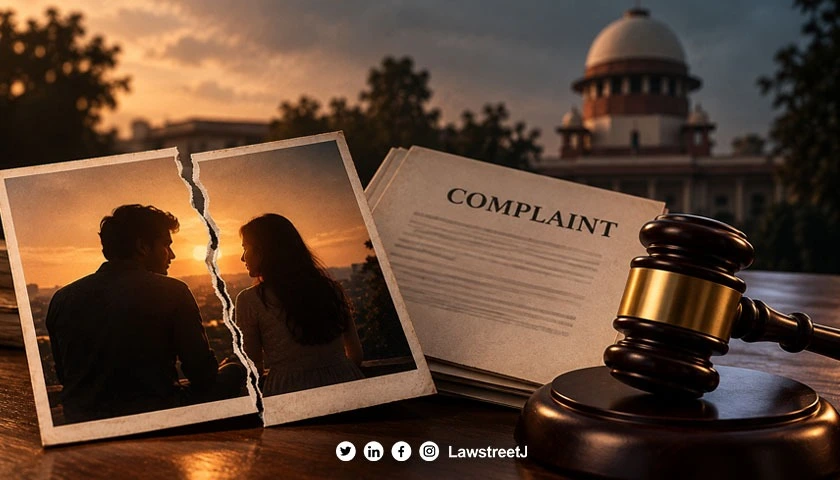
The Supreme Court in a recent judgment has ruled that the superiors cannot be held responsible for the abetment of the suicide of an employee as it cannot be assumed that superiors are of criminal bent of mind who have the intention to harass an employee or force him to commit suicide.

The matter came up in the SC when Kishore Parashar, who was a deputy director working at Aurangabad office of education in Maharashtra government, committed suicide in August 2017. Kishore Parashars wife filed a police complaint accusing her husbands superior officer of abetting the suicide, she alleged that the superior used to give him heavy workload and also makes him to do work till late evening.

She said the superior use to call him for work during odd hours and also on holidays; he has also stopped the salary for a month and threatened to stop his increment. After Aurangabad police filed the FIR, the senior officer moved to Aurangabad Bench of the Bombay high court for quashing the FIR.

But on January 23rd, 2018 his plea was rejected by the High Court stating that The facts indicate that there was no direct abetment and the applicants cannot have any intention that the deceased should commit suicide. Even when the accused persons have no such intention, if they create a situation causing mental tension to drive the person to commit suicide, they can be said to be instigating the accused to commit suicide.

When the senior officer appealed in the Supreme Court the plea was opposed by Nishant Katneswarkar standing counsel of the Maharashtra government.

The Supreme Court bench of Justice Arun Mishra and Justice U U Lalit found HCs logic in roping in the superior officer on the charge of abetting suicide as illogical and quashed the FIR against the superior officer.

Justice U U Lalit, who authored the judgment, said, It is true that if a situation is created deliberately to drive a person to commit suicide, there would be room for attracting Section 306 of the Indian Penal Code, 1860 (abetment to suicide). However, the facts on record in the present case are inadequate and insufficient (to reach that conclusion).


Share this article:

User Avatar
About:


Leave a feedback about this
TRENDING NEWS


Warning: foreach() argument must be of type array|object, bool given in /home/lawstreet/public_html/trending-top-stories-sidebar.php on line 8

TOP STORIES

delhi-hc-pronounces-judgment-on-kejriwals-recusal-plea-against-justice-swarna-kanta-sharma-in-liquor-policy-case
Trending Judiciary
Delhi HC Pronounces Judgment on Kejriwal’s Recusal Plea Against Justice Swarna Kanta Sharma in Liquor Policy Case

Delhi High Court rejects Kejriwal’s recusal plea, holding allegations of bias against Justice Swarna Kanta Sharma insufficient in liquor policy case.

21 April, 2026 11:16 AM
sc-dismisses-umar-khalids-review-petition-against-judgment-denying-bail-in-delhi-riots-larger-conspiracy-case
Trending Judiciary
SC Dismisses Umar Khalid’s Review Petition Against Judgment Denying Bail in Delhi Riots Larger Conspiracy Case [Read Order]

Supreme Court dismisses Umar Khalid’s review plea against bail denial in Delhi riots conspiracy case, finding no grounds to interfere with its earlier judgment.

21 April, 2026 11:58 AM
nashik-court-denies-interim-arrest-protection-to-nida-ejaz-khan-in-tcs-bpo-harassment-case-bail-hearing-set-for-april-27
Trending Crime, Police And Law
Nashik Court Denies Interim Arrest Protection to Nida Ejaz Khan in TCS BPO Harassment Case; Bail Hearing Set for April 27

Nashik Court denies interim arrest protection to Nida Ejaz Khan in TCS BPO harassment case; anticipatory bail hearing adjourned to April 27.

21 April, 2026 01:37 PM
legal-representatives-remedy-against-arbitral-award-lies-under-section-34-of-arbitration-act-not-under-article-227-of-the-constitution-sc
Trending Judiciary
Legal Representative’s Remedy Against Arbitral Award Lies Under Section 34 of Arbitration Act, Not Under Article 227 of the Constitution: SC [Read Judgment]

Supreme Court rules legal heirs must challenge arbitral awards under Section 34, not Article 227, affirming Arbitration Act as a complete code.

21 April, 2026 01:51 PM

ADVERTISEMENT


Join Group

Signup for Our Newsletter

Get Exclusive access to members only content by email