38.6c New Delhi, India, Friday, January 23, 2026
Top Stories Supreme Court
Political NEWS Legislative Corner Celebstreet International Videos
Subscribe Contact Us
close
Judiciary

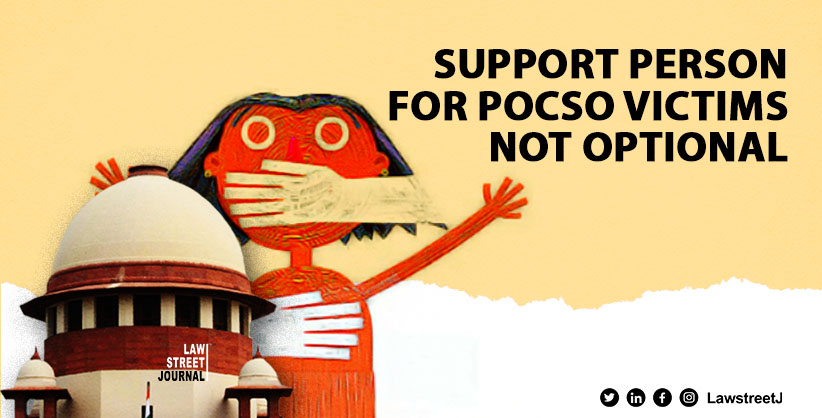
Support persons to victims under POCSO Act can't be optional: Supreme Court [Read Order]

By LAWSTREET NEWS NETWORK      16 October, 2023 10:53 AM      0 Comments
Support persons to victims under POCSO Act cant be optional Supreme Court

NEW DELHI: The Supreme Court has said providing a support person to the affected victim under the Protection of Children from Sexual Offences Act is not optional or left to the discretion of parents.

A bench led by Justice S Ravindra Bhat directed the National Commission for Protection of Child Rights to formulate model guidelines in consultation with States and Union Territories in respect of support persons.

"This court is of the opinion that the need for support person should not be left to the discretion of the parents; in all cases, the option of availability of support person and right to claim the assistance of such support person should be made known to the victims parents," the bench also comprising Justice Aravind Kumar said.

The bench said the State has an obligation to provide support persons to POCSO victims which cannot be made optional.

"Unless there are good reasons recorded by the Child Welfare Committee in its order, the familiarity of support persons is mandatory," the bench said.

The court emphasised that its previous judgement of August 18, 2023 is "forthright and categorical on this aspect".

Hearing a bunch of writ petitions filed by the 'We The Women of India' and others, the court had on August 18, 2023 asked the state governments to ensure strict implementation of POCSO Rules 2020, which offered an effective framework in providing support system to the child victims, including appointment of support persons, to reduce the ordeal for them during the investigation, trial and rehabilitation.

After affidavits were filed by the Union government's Ministry of Women and Child Development and the NCPCR, the bench on October 9 directed the NCPCR to formulate model guidelines, after consulting all the state governments and the Union Territories, which may frame their rules in respect of support persons under Section 39 of the POCSO Act.

The court said the model guidelines to be prepared by the NCPCR should include a uniform standard of education of support persons with experience in child psychology, social work or child welfare, etc and making them permanent, and creation of an all India portal, accessible to all individuals and organisations with list of all support persons available in the concerned States and Union Territories.

 

[Read Order]


Share this article:

About:

Explore Comprehensive Legal Reporting with LawStreet Journal: Your Go-To Source for Supreme Court an...Read more

Follow:
TwitterLinkedinInstagram


Leave a feedback about this
Related Posts
View All

Another CBI Officer Investigating Rakesh Asthana Moves SC Against Transfer, Makes Startling Revelations Another CBI Officer Investigating Rakesh Asthana Moves SC Against Transfer, Makes Startling Revelations

After A.K. Bassi, another CBI officer who was investigating corruption allegations against Special Director Rakesh Asthana moved the Supreme Court.

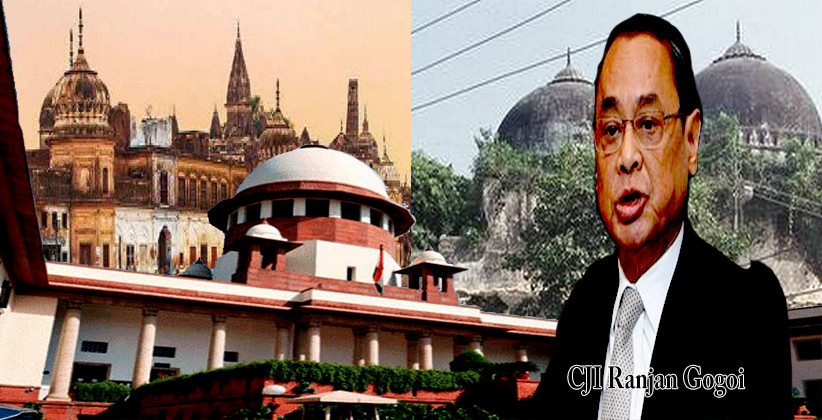
Ayodhya verdict: SC rules in favour of Ram Lalla, Sunni Waqf Board gets alternate land Ayodhya verdict: SC rules in favour of Ram Lalla, Sunni Waqf Board gets alternate land

SC bench led by CJI Ranjan Gogoi has allotted the dispute site to Ram Janmabhoomi Nyas, while directing the government to allot an alternate 5 acre land within Ayodhya to Sunni Waqf Board to build a mosque.

Supreme Court: Money Spent On Judiciary Less Than 1% In All States Except Delhi Supreme Court: Money Spent On Judiciary Less Than 1% In All States Except Delhi

The court guided all states to document their response to the commission's report within four weeks. If any of the states fail to file a response, it will be presumed that they have no objections to the recommendations made by the commission, the court said.

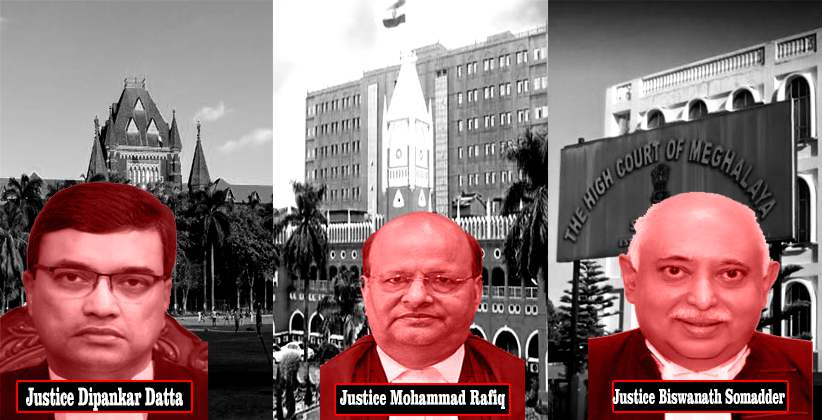
Supreme Court Top Panel Names Chief Justices for Bombay, Orissa and Meghalaya High Courts Supreme Court Top Panel Names Chief Justices for Bombay, Orissa and Meghalaya High Courts

On April 18, 2020, the Supreme Court Collegium recommended new Chief Justices for three High Courts. Justice Dipankar Datta was proposed as Chief Justice of the Bombay High Court, succeeding Justice B.P. Dharmadhikari. Justice Biswanath Somadder was nominated as Chief Justice of Meghalaya High Court, while Justice Mohammad Rafiq was recommended for transfer as Chief Justice of Orissa High Court.

TRENDING NEWS


TOP STORIES

accused-need-not-appear-on-every-date-after-bail-in-appeals-sc
Trending Judiciary
Accused Need Not Appear on Every Date After Bail in Appeals: SC [Read Order]

Supreme Court rules accused on bail after suspension of sentence need not appear on every hearing date in appellate or revisional courts.

19 January, 2026 12:47 PM
delhi-hc-upholds-press-councils-rejection-of-editors-guilds-claim-in-15th-press-council-constitution
Trending Judiciary
Delhi HC Upholds Press Council’s Rejection of Editors Guild’s Claim in 15th Press Council Constitution [Read Judgment]

Delhi High Court upheld Press Council of India’s rejection of Editors Guild’s claim, citing delay and non-compliance, and declined to interfere in 15th Press Council constitution.

19 January, 2026 01:39 PM
kerala-hc-full-bench-holds-hindu-wife-entitled-to-maintenance-from-husbands-immovable-property
Trending Judiciary
Kerala HC Full Bench Holds Hindu Wife Entitled to Maintenance from Husband’s Immovable Property [Read Order]

Kerala High Court holds that a Hindu wife can claim maintenance from her husband’s immovable property, laying down a three-stage framework of rights.

19 January, 2026 02:00 PM
from-constitutional-promise-to-enforceable-right-how-the-supreme-court-gave-teeth-to-article-21a-and-the-rte-acts-25-quota
Trending Judiciary
From Constitutional Promise to Enforceable Right: How the Supreme Court Gave Teeth to Article 21A and the RTE Act’s 25% Quota [Read Order]

Supreme Court enforces Article 21A, mandates statutory rules for RTE Act’s 25% quota, and empowers NCPCR to monitor State compliance.

19 January, 2026 02:43 PM

ADVERTISEMENT


Join Group

Signup for Our Newsletter

Get Exclusive access to members only content by email