38.6c New Delhi, India, Friday, May 15, 2026
Top Stories Supreme Court
Political NEWS Legislative Corner Celebstreet International Videos
Subscribe Contact Us
close
Judiciary

Supreme Court Begins Landmark Hearing on Article 370 Challenges: Kapil Sibal Argues Against Dilution of Special Status

By LAWSTREET NEWS NETWORK      03 August, 2023 12:42 AM      0 Comments
Supreme Court Begins Landmark Hearing on Article 370 Challenges: Kapil Sibal Argues Against Dilution of Special Status

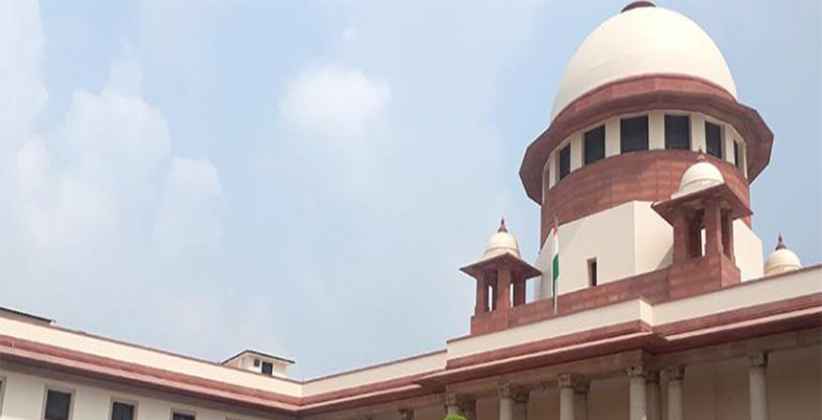
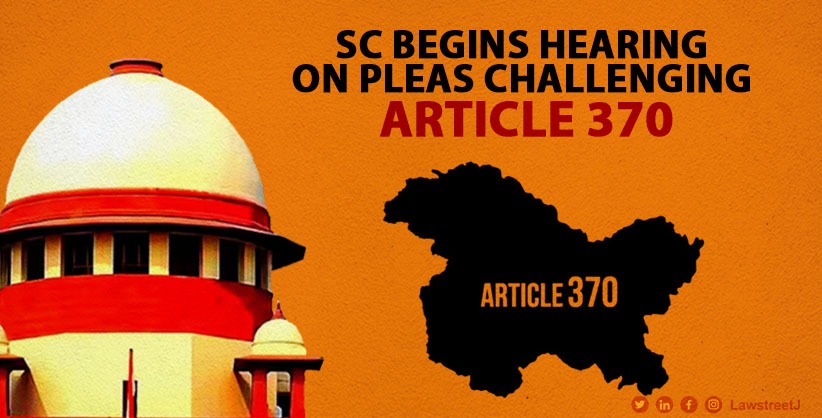
NEW DELHI: The Supreme Court on Wednesday started hearing a clutch of petitions challenging the dilution of Article 370 of the Constitution, which bestowed special status on the erstwhile state of Jammu and Kashmir.

Senior advocate Kapil Sibal, arguing as lead counsel on behalf of the petitioners contended the special provision was removed by a political act and not through the constitutional procedure.

A five-judge bench led by Chief Justice of India D Y Chandrachud asked him whether it is possible for an elected assembly to abrogate Article 370, which bestowed special status on the erstwhile state of Jammu and Kashmir.

Sibal said that the purpose of Article 356, under which the Presidents rule is imposed in a state, is supposed to be a temporary position and is not intended to decimate democracy.

Sibal, representing Mohd Akbar Lone, submitted before the bench also comprising Justices Sanjay Kishan Kaul, Sanjiv Khanna, B R Gavai, and Surya Kant that clause 3 of Article 370 envisioned that the Constituent Assembly must play a role in the abrogation of Article 370.

Upon this, the bench said that the acceptance of the sovereignty of the dominion of India was complete for all intent and purposes and the Constituent Assembly of Jammu and Kashmir reserved some rights over certain legislative subjects only, and they said that in clause 3, the President would have the right to abrogate 370.

Sibal replied that in clause 3 of Article 370, the Constituent Assembly has been specifically mentioned which showed the intent for it to play a role in the abrogation of Article 370.

He submitted that the court has to see the historical perspective in which they signed the Instrument of Accession. Sibal said that nobody disputes that they are integrated in India but subject to a constitutional provision.

The bench then asked Sibal, "If an elected assembly wants to abrogate Article 370 then also it is not possible?"

Sibal said it is not possible.

The bench then said that this argument only stands, if it is accepted that Article 370 becomes permanent after the constituent assembly ceases to exist.

The CJI further asked can a Parliament of the state to which it has agreed to merge into have limited powers in the state?

"So you are saying that after 1957, Article 370 could not be abrogated? And even after the completion of the Constituent Assembly tenure, clause 3 of Article 370 will continue to operate," the bench asked him.

The bench further asked what happens after Constituent Assembly lapses, as it was supposed to be functional only from 1950 to 1957.

The Chief Justice said, no Constituent Assembly can have an indefinite life".

Sibal said that between the Centre and the state there was this understanding that Constituent Assembly will determine the future course of action as to whether Article 370 should be abrogated or not. He stressed that the people of J&K are with India but there is a special relationship which is engrafted in Article 370.

At the outset, Sibal submitted that it was a historic moment for him as the Supreme Court would be analysing why history was tossed out on August 6, 2019 and whether the procedure adopted by the Parliament was consistent with what democracy stands for and if the will of J&K people can be silenced.

The hearing on about 23 petitions questioning the validity of the historical decision would continue on Thursday as well.


Share this article:

About:

Explore Comprehensive Legal Reporting with LawStreet Journal: Your Go-To Source for Supreme Court an...Read more

Follow:
TwitterLinkedinInstagram


Leave a feedback about this
Related Posts
View All

Another CBI Officer Investigating Rakesh Asthana Moves SC Against Transfer, Makes Startling Revelations Another CBI Officer Investigating Rakesh Asthana Moves SC Against Transfer, Makes Startling Revelations

After A.K. Bassi, another CBI officer who was investigating corruption allegations against Special Director Rakesh Asthana moved the Supreme Court.

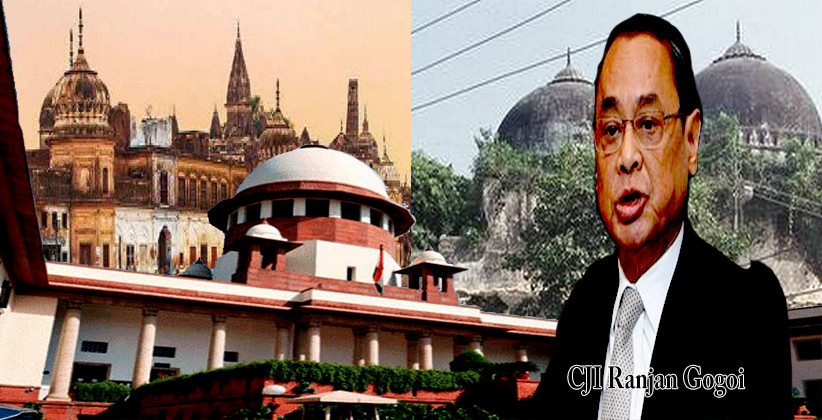
Ayodhya verdict: SC rules in favour of Ram Lalla, Sunni Waqf Board gets alternate land Ayodhya verdict: SC rules in favour of Ram Lalla, Sunni Waqf Board gets alternate land

SC bench led by CJI Ranjan Gogoi has allotted the dispute site to Ram Janmabhoomi Nyas, while directing the government to allot an alternate 5 acre land within Ayodhya to Sunni Waqf Board to build a mosque.

Supreme Court: Money Spent On Judiciary Less Than 1% In All States Except Delhi Supreme Court: Money Spent On Judiciary Less Than 1% In All States Except Delhi

The court guided all states to document their response to the commission's report within four weeks. If any of the states fail to file a response, it will be presumed that they have no objections to the recommendations made by the commission, the court said.

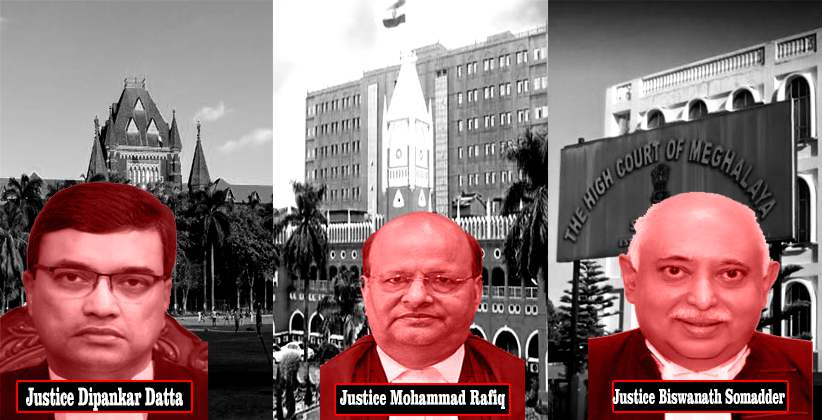
Supreme Court Top Panel Names Chief Justices for Bombay, Orissa and Meghalaya High Courts Supreme Court Top Panel Names Chief Justices for Bombay, Orissa and Meghalaya High Courts

On April 18, 2020, the Supreme Court Collegium recommended new Chief Justices for three High Courts. Justice Dipankar Datta was proposed as Chief Justice of the Bombay High Court, succeeding Justice B.P. Dharmadhikari. Justice Biswanath Somadder was nominated as Chief Justice of Meghalaya High Court, while Justice Mohammad Rafiq was recommended for transfer as Chief Justice of Orissa High Court.

TRENDING NEWS

no-offence-under-sc-st-act-if-alleged-casteist-abuse-occurred-inside-private-house-sc
Trending Judiciary
No Offence Under SC/ST Act If Alleged Casteist Abuse Occurred Inside Private House: SC [Read Judgment]

Supreme Court rules SC/ST Act offence is not made out if alleged casteist abuse occurred inside a private house without public view.

14 May, 2026 03:16 PM
madras-hc-bars-tiruppattur-mla-from-floor-test-over-disputed-one-vote-victory
Trending Judiciary
Madras HC Bars Tiruppattur MLA From Floor Test Over Disputed One-Vote Victory [Read Order]

Madras High Court restrains Tiruppattur MLA from floor test participation over disputed one-vote victory and alleged electoral irregularities.

14 May, 2026 03:24 PM

TOP STORIES

delhi-hc-refers-to-larger-bench-issue-on-stage-of-hearing-accused-under-section-223-bnss-before-cognizance
Trending Judiciary
Delhi HC Refers to Larger Bench Issue on Stage of Hearing Accused Under Section 223 BNSS Before Cognizance [Read Judgment]

Delhi High Court refers to Larger Bench issue on when accused must be heard under Section 223 BNSS before taking cognizance.

09 May, 2026 10:25 AM
hymen-intact-does-not-mean-no-penetration-delhi-high-court-upholds-pocso-conviction-of-tenant-who-raped-six-year-old-girl
Trending Judiciary
‘Hymen Intact Does Not Mean No Penetration’: Delhi High Court Upholds POCSO Conviction of Tenant Who Raped Six-Year-Old Girl [Read Order]

Delhi High Court upheld a tenant’s POCSO conviction for raping a six-year-old girl, holding that an intact hymen does not negate penetration.

09 May, 2026 12:42 PM
consumer-commission-directs-bus-operator-to-pay-50000-compensation-after-barat-reaches-wedding-destination-at-3-am-due-to-breakdown
Trending Judiciary
Consumer Commission Directs Bus Operator to Pay ₹50,000 Compensation After Barat Reaches Wedding Destination at 3 AM Due to Breakdown [Read Order]

Delhi Consumer Commission ordered a bus operator to pay ₹50,000 compensation after a Barat reached the wedding venue at 3 AM due to breakdown.

09 May, 2026 01:56 PM
sabarimala-reference-day-13-can-faith-justify-civil-death-and-genital-cutting-of-children-sc-bench-examines-religions-reach-over-the-body
Trending Judiciary
Sabarimala Reference Day 13: “Can Faith Justify Civil Death and Genital Cutting of Children?”: SC Bench Examines Religion’s Reach Over the Body

SC’s nine-judge bench examined whether religious practices violating dignity, bodily autonomy and conscience can claim protection under Article 26.

09 May, 2026 02:25 PM

ADVERTISEMENT


Join Group

Signup for Our Newsletter

Get Exclusive access to members only content by email