38.6c New Delhi, India, Friday, January 23, 2026
Top Stories Supreme Court
Political NEWS Legislative Corner Celebstreet International Videos
Subscribe Contact Us
close
Judiciary

Supreme Court holds visually impaired candidates eligible for appointment to judiciary

By Jhanak Sharma      03 March, 2025 12:33 PM      0 Comments
Supreme Court holds visually impaired candidates eligible for appointment to judiciary

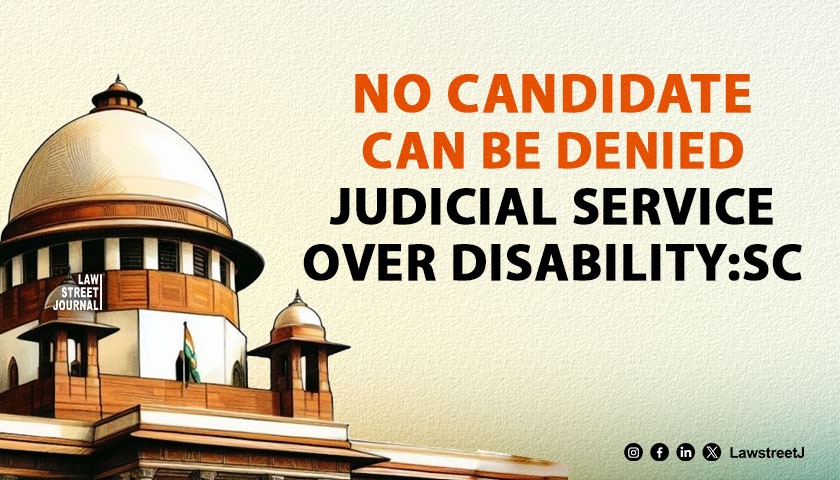
NEW DELHI: The Supreme Court on Monday held that no candidate can be denied consideration in judicial services solely on account of their disability, as reasonable accommodation must be provided to them in assessing their eligiblity in terms of the Rights of Persons with Disabilities Act, 2016.

SC Rules in Favor of Blind Candidates: Ensures Equal Opportunity in Judicial Services

A bench of Justices J B Pardiwala and R Mahadevan struck down a rule of the Madhya Pradesh Judicial Services Rules to the extent it barred visually impaired and low vision candidates from judicial service.

The court declared that visually impaired and low vision candidates would be entitled to participate in the selection for the judicial service posts across the country.

Judicial Services and Disability Rights: SC Strikes Down MP Rule Barring Blind Candidates

In its judgment in a suo motu matter, the bench said the persons with disabilities must not face any discrimination in their pursuit of judicial service recruitments and that the State must provide them affirmative action to ensure an inclusive framework.

"Any indirect discrimination that results in the exclusion of Person with Disabilities, whether through cutoff or procedural barriers must be interfered with in order to uphold substantive equality," the bench said.

Justice Mahadevan pronounced the judgment on behalf of the bench.

The verdict would have far reaching positive impact

The court last year registered the suo motu matter on a letter by the mother of a candidate.

The issue concerned the validity of Rule 6A of the Madhya Pradesh Services Examination (Recruitment and Conditions of Services) Rules 1994. The court had reserved its order on December 3, 2024.

Delivering its judgment, the court said it dealt with the constitutional framework and institutional disability framework and treated the case as the most important one.

While setting aside the order of the HC and notification of the State of MP govt of February 18, 2023, the bench said, "The appellants and similarly placed persons who had participated in selection process are entitled to be considered in the light of this decision and they may be appointed if they are otherwise eligible".



Share this article:

About:

Jhanak is a lawyer by profession and legal journalist by passion. She graduated at the top of her cl...Read more

Follow:
FacebookTwitterLinkedinInstagram


Leave a feedback about this
Related Posts
View All

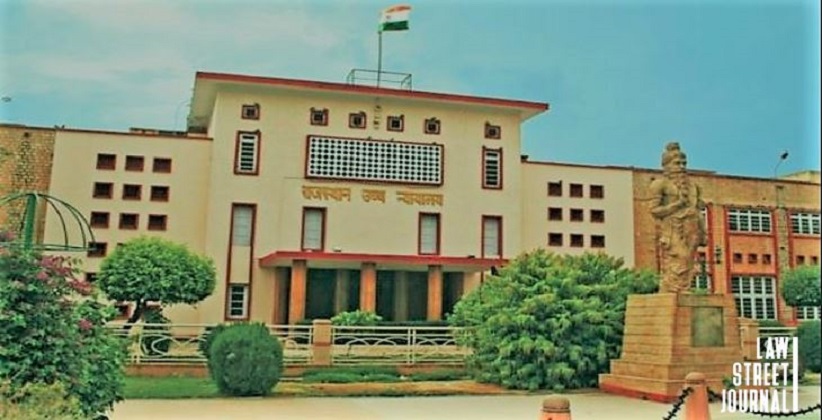
Another CBI Officer Investigating Rakesh Asthana Moves SC Against Transfer, Makes Startling Revelations Another CBI Officer Investigating Rakesh Asthana Moves SC Against Transfer, Makes Startling Revelations

After A.K. Bassi, another CBI officer who was investigating corruption allegations against Special Director Rakesh Asthana moved the Supreme Court.

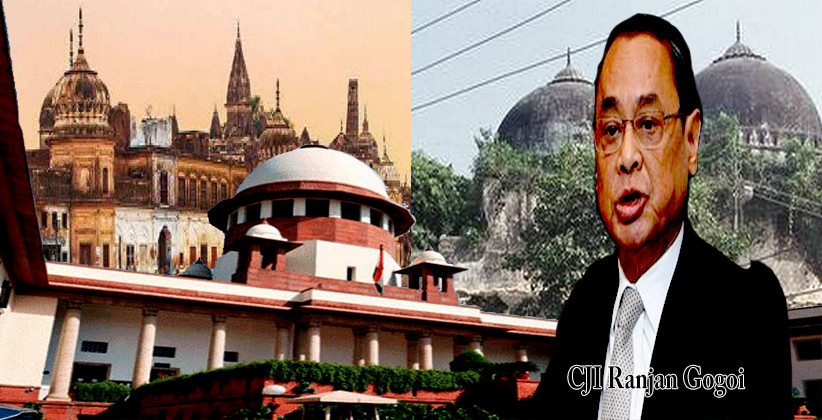
Ayodhya verdict: SC rules in favour of Ram Lalla, Sunni Waqf Board gets alternate land Ayodhya verdict: SC rules in favour of Ram Lalla, Sunni Waqf Board gets alternate land

SC bench led by CJI Ranjan Gogoi has allotted the dispute site to Ram Janmabhoomi Nyas, while directing the government to allot an alternate 5 acre land within Ayodhya to Sunni Waqf Board to build a mosque.

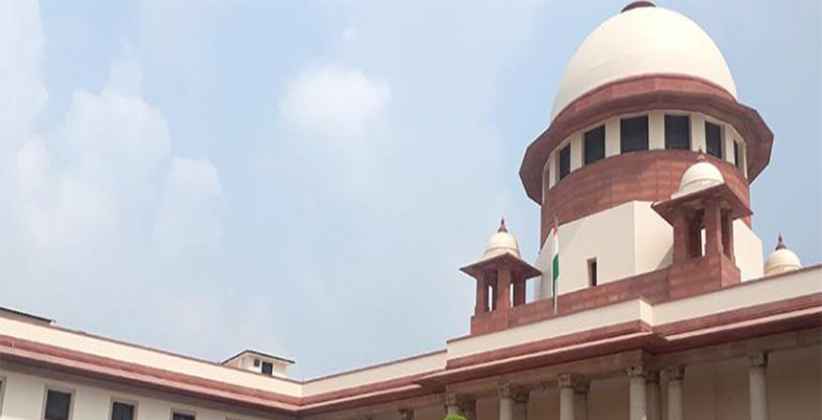
Supreme Court: Money Spent On Judiciary Less Than 1% In All States Except Delhi Supreme Court: Money Spent On Judiciary Less Than 1% In All States Except Delhi

The court guided all states to document their response to the commission's report within four weeks. If any of the states fail to file a response, it will be presumed that they have no objections to the recommendations made by the commission, the court said.

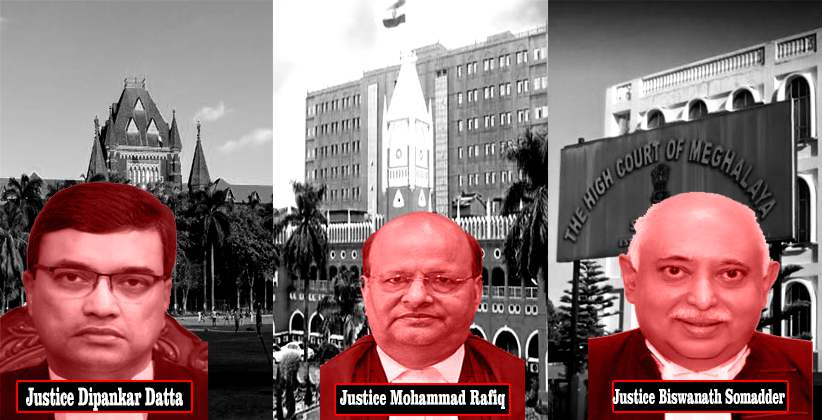
Supreme Court Top Panel Names Chief Justices for Bombay, Orissa and Meghalaya High Courts Supreme Court Top Panel Names Chief Justices for Bombay, Orissa and Meghalaya High Courts

On April 18, 2020, the Supreme Court Collegium recommended new Chief Justices for three High Courts. Justice Dipankar Datta was proposed as Chief Justice of the Bombay High Court, succeeding Justice B.P. Dharmadhikari. Justice Biswanath Somadder was nominated as Chief Justice of Meghalaya High Court, while Justice Mohammad Rafiq was recommended for transfer as Chief Justice of Orissa High Court.

TRENDING NEWS


TOP STORIES

accused-need-not-appear-on-every-date-after-bail-in-appeals-sc
Trending Judiciary
Accused Need Not Appear on Every Date After Bail in Appeals: SC [Read Order]

Supreme Court rules accused on bail after suspension of sentence need not appear on every hearing date in appellate or revisional courts.

19 January, 2026 12:47 PM
delhi-hc-upholds-press-councils-rejection-of-editors-guilds-claim-in-15th-press-council-constitution
Trending Judiciary
Delhi HC Upholds Press Council’s Rejection of Editors Guild’s Claim in 15th Press Council Constitution [Read Judgment]

Delhi High Court upheld Press Council of India’s rejection of Editors Guild’s claim, citing delay and non-compliance, and declined to interfere in 15th Press Council constitution.

19 January, 2026 01:39 PM
kerala-hc-full-bench-holds-hindu-wife-entitled-to-maintenance-from-husbands-immovable-property
Trending Judiciary
Kerala HC Full Bench Holds Hindu Wife Entitled to Maintenance from Husband’s Immovable Property [Read Order]

Kerala High Court holds that a Hindu wife can claim maintenance from her husband’s immovable property, laying down a three-stage framework of rights.

19 January, 2026 02:00 PM
from-constitutional-promise-to-enforceable-right-how-the-supreme-court-gave-teeth-to-article-21a-and-the-rte-acts-25-quota
Trending Judiciary
From Constitutional Promise to Enforceable Right: How the Supreme Court Gave Teeth to Article 21A and the RTE Act’s 25% Quota [Read Order]

Supreme Court enforces Article 21A, mandates statutory rules for RTE Act’s 25% quota, and empowers NCPCR to monitor State compliance.

19 January, 2026 02:43 PM

ADVERTISEMENT


Join Group

Signup for Our Newsletter

Get Exclusive access to members only content by email