NEW DELHI: What began as a family dispute over inheritance has turned into one of India's most closely watched corporate and legal battles, involving a reported ₹30,000-crore family trust, competing claims over wealth and questions about who should control the legacy of late industrialist Sunjay Kapur.
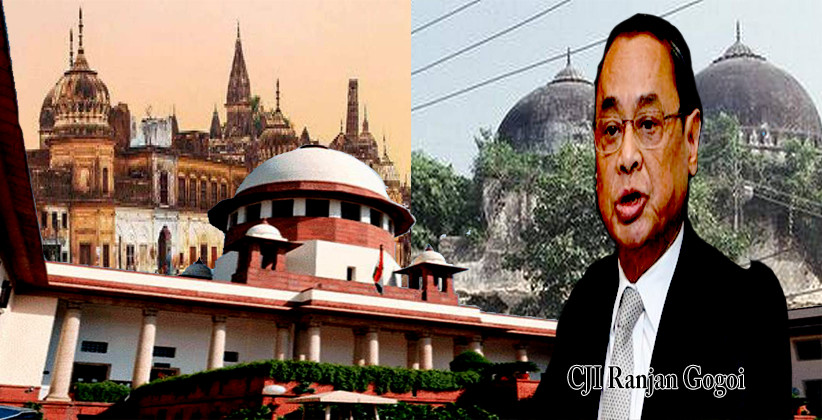
The Supreme Court's attempt to resolve the dispute through mediation has now failed. After approximately 15 sessions, the court-appointed mediator, former Chief Justice of India D.Y. Chandrachud, reported that the parties had reached an impasse on key issues. The Supreme Court consequently brought the mediation proceedings to a close on November 26, paving the way for the legal battle to continue.
At the centre of the dispute are Sunjay Kapur's mother, Rani Kapur, his widow, Priya Sachdev Kapur and his two children, Samaira and Kiaan Kapur, from his previous marriage to actor Karisma Kapoor.
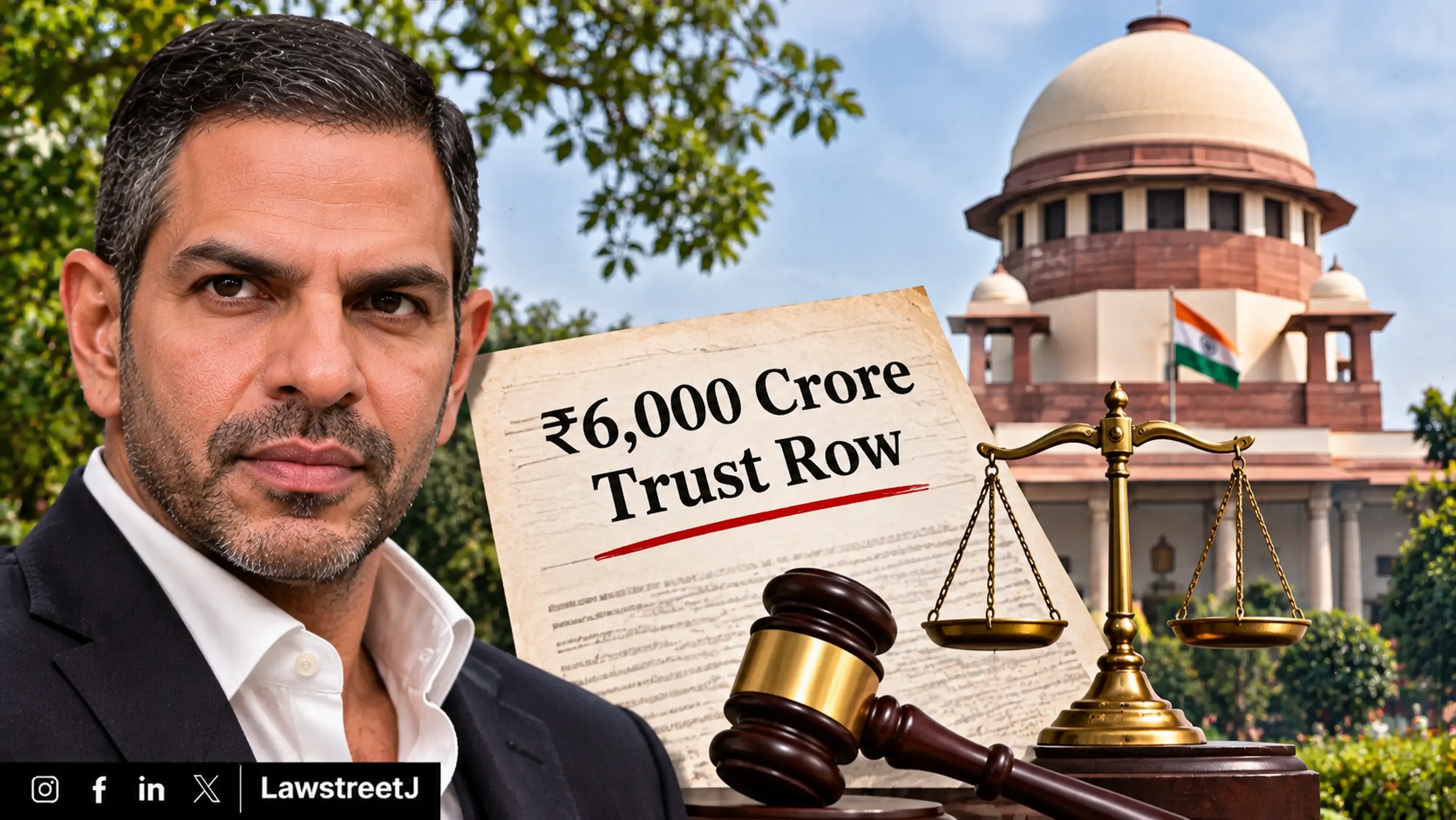
With Rani Kapur seeking ₹6,000 crore to settle her claims and the trust's assets being valued at approximately ₹30,000 crore during the court proceedings, the case has raised significant questions about inheritance, family trusts, ownership rights and corporate control.
How Did the ₹30,000-Crore Family Dispute Begin?
Sunjay Kapur, former chairman of automotive components manufacturer Sona BLW Precision Forgings, popularly known as Sona Comstar, died on June 12, 2025. His death triggered a dispute within the family over the ownership, management and distribution of assets associated with the Kapur family and the RK Family Trust.
The trust holds a significant stake in Sona Comstar, making the dispute particularly important beyond the family's personal inheritance claims. Its structure and control have become central issues in the ongoing litigation. Rani Kapur subsequently approached the Delhi High Court, challenging the validity of the RK Family Trust. She alleged that assets inherited by her from her late husband, Sona Group founder Surinder Kapur, were transferred into the trust without her informed consent.
She has questioned the circumstances under which the trust was constituted and the manner in which family assets were brought under its structure. These allegations have been contested by the opposing side, and the court has yet to deliver a final ruling on the trust's validity.
Why Is Rani Kapur Seeking ₹6,000 Crore?
One of the most significant moments in the November 26 Supreme Court hearing came when the Bench sought clarity on what exactly Rani Kapur wanted from the trust. Representing her, senior advocate Siddhartha Dave informed the Court that his client was seeking approximately ₹6,000 crore as part of a settlement, along with other assets forming part of the trust's corpus.
The opposing side placed the estimated value of the trust's assets at approximately ₹30,000 crore.
The figures prompted the Bench of Justices J.B. Pardiwala and K. Vinod Chandran to question how such a substantial settlement could be achieved, particularly if it required the liquidation of assets. The Court questioned who would be expected to liquidate the trust's assets and pay the claimed amount.
The Bench also expressed concern about the inability of family members to reach an understanding despite repeated opportunities for settlement. The ₹6,000-crore figure represents Rani Kapur's claim as presented by her counsel. It is not an amount awarded by the Court or an established liability of the trust.
Priya Sachdev Kapur's Position: Who Should Control the Trust?
Priya Sachdev Kapur, Sunjay's widow, has contested Rani Kapur's challenge to the family trust and defended its structure.
During the Supreme Court proceedings, senior advocate Abhimanyu Bhandari, appearing for Priya, submitted that she was entitled to 60 per cent of the trust's assets, while the remaining 40 per cent was to be divided among Sunjay's children. Her legal team also disputed Rani Kapur's claims over the trust.
Senior advocate Mukul Rohatgi, representing Priya, questioned Rani's participation in the mediation process and argued that sufficient opportunities had been provided to reach a settlement. The two sides also presented sharply different accounts of why the mediation had failed.
Rani Kapur's counsel claimed that a settlement proposal had been made but no counterproposal had been received for around six months. Priya's counsel, on the other hand, alleged that Rani had walked out of a joint mediation meeting and was now blaming her daughter-in-law for the breakdown.
Both positions remain part of the competing submissions before the Court.
What Are Karisma Kapoor's Children Claiming?
The dispute also involves Samaira and Kiaan Kapur, Sunjay's two children from his marriage to Bollywood actor Karisma Kapoor. Their interests in the family trust have emerged as another major point of disagreement.
Senior advocate Mahesh Jethmalani, representing the children, informed the Supreme Court that they were entitled to approximately 24 to 26 per cent of the trust's assets. Their legal representatives have also sought clarity regarding the children's exit from the existing trust structure and the protection of their financial interests.
The issue was among the two major areas that remained unresolved during mediation.
According to the mediator's assessment, there was still some possibility of resolving the children's claims, but the negotiations over Rani Kapur's demands had reached a dead end. This distinction became important during the November 26 hearing, as the Court considered whether a settlement could still be achieved on some aspects of the dispute.
Why Did the Supreme Court-Ordered Mediation Fail?
The Supreme Court had earlier attempted to prevent the family dispute from developing into prolonged litigation. On May 7, 2026, the Court appointed former Chief Justice of India D.Y. Chandrachud as a mediator after the parties agreed to explore an amicable settlement.
The mediation initially appeared promising.
By August 2026, the mediator had completed six sessions and informed the Supreme Court that family members were cooperating. Detailed discussions had reportedly taken place regarding the trust structure, assets and the competing claims. A senior chartered accountant and a tax expert were also involved in the discussions to help examine the financial and structural aspects of the dispute.
The Court subsequently extended the mediation process until November 2, hoping that the family could arrive at a comprehensive settlement. However, despite approximately 15 sittings, the differences could not be resolved. The mediator's subsequent report indicated an impasse, particularly over Rani Kapur's claims.
On November 26, the Supreme Court decided to close the mediation proceedings.
The Bench observed that a settlement could not be forced upon parties unwilling to agree. The Court also questioned the value of allowing the dispute to continue through endless negotiations when the central differences remained unresolved.