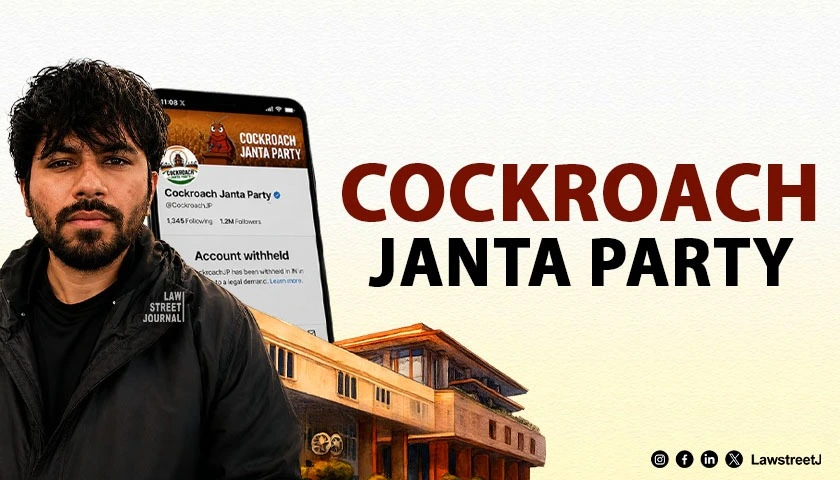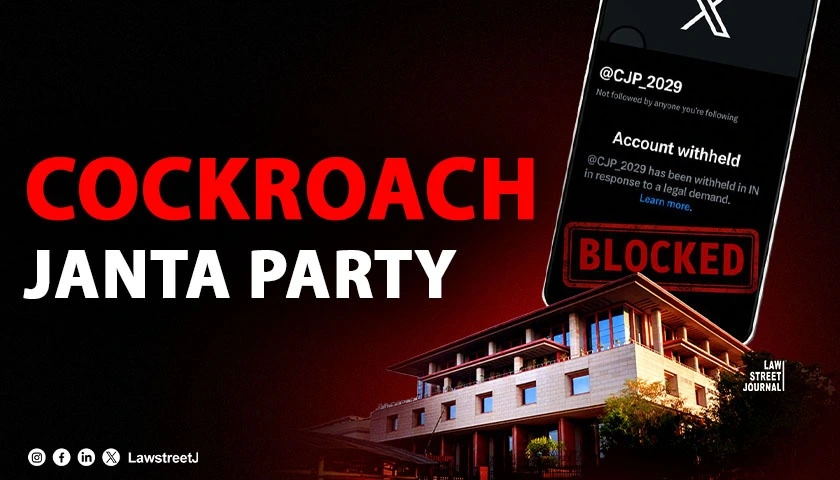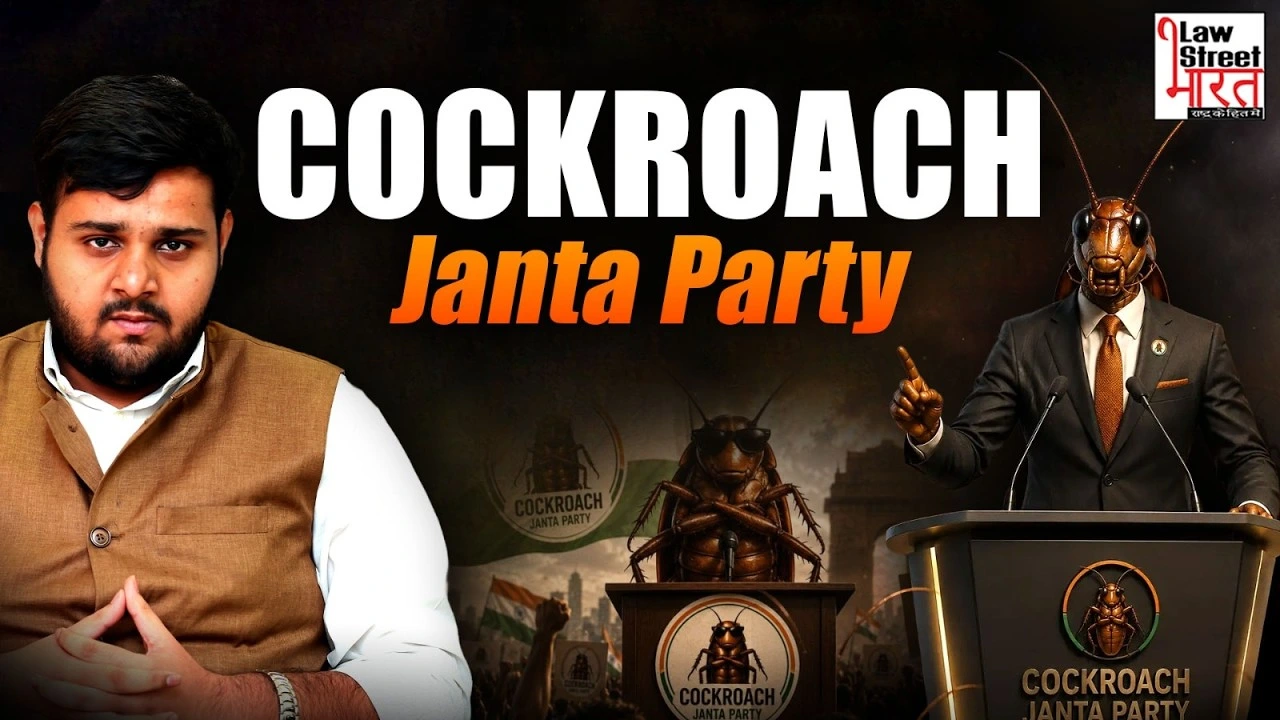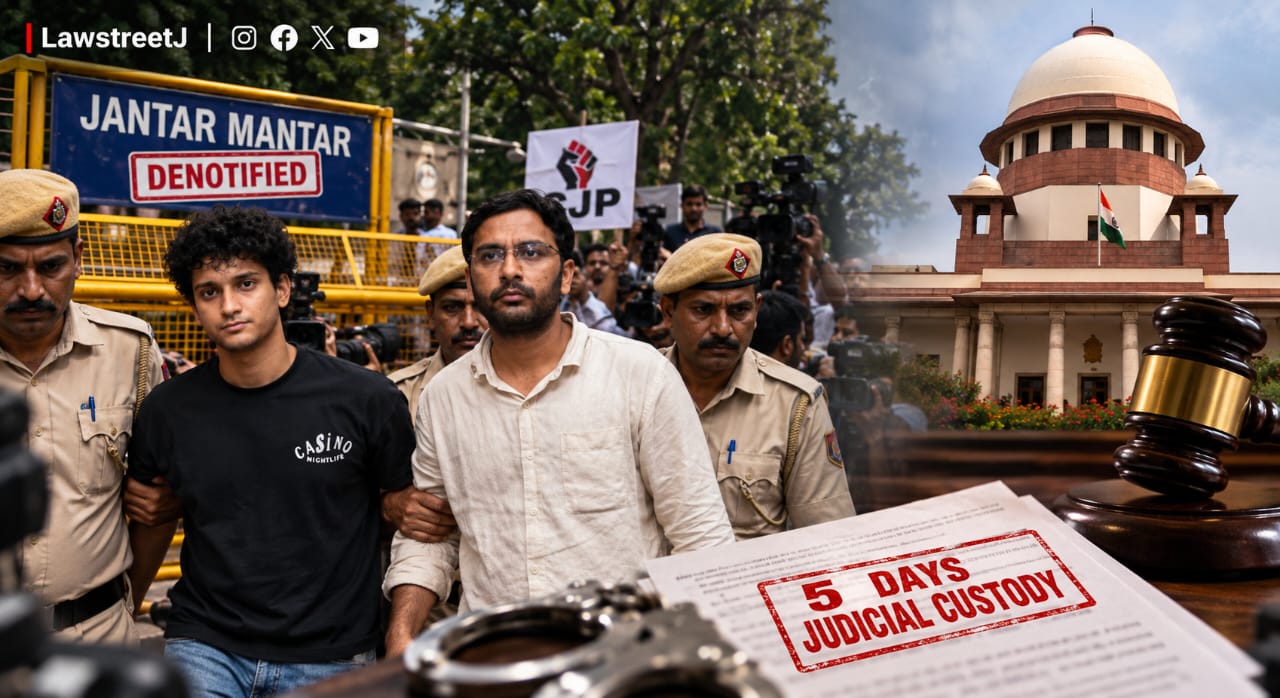
New Delhi — A Delhi court has sent Cockroach Janta Party (CJP) leaders Saurav Das and Ashutosh Ranka to five days of judicial custody after they were arrested for entering the Jantar Mantar protest site a day after it ceased to be the capital's officially designated venue for demonstrations. A third CJP leader, Ajinkya Shinde, who was arrested alongside them, was released on a personal bond.
Das, Ranka and Shinde were detained on October 13, 2026, after they climbed the locked gates of Jantar Mantar and entered the site, which had been formally denotified as Delhi's designated protest venue through a standing order issued by Police Commissioner Anurag Kumar on October 11, naming Ramlila Ground, Burari Ground and CBD Ground as the new designated sites. Reports indicate the three leaders unfurled the Indian tricolour at the site after entering.
The three were arrested at Parliament Street Police Station in connection with the case, with CJP's legal head stating in an X post that the charges cited by Delhi Police included trespass, bond violation, and obstruction of a public official's duty. Das, Ranka and Shinde were produced before an Executive Magistrate on Wednesday, October 14. During the hearing, Delhi Police argued that the accused had disturbed public order and violated conditions stipulated in bonds previously executed by them. Following the hearing, the Executive Magistrate remanded Das and Ranka to five days of judicial custody, while Shinde was released after signing a personal bond.
Background: The Site's Denotification
The arrests follow directly from the Delhi Police Commissioner's October 11 standing order, which stated that Jantar Mantar had been denotified as a protest venue based on recommendations from a committee constituted by the Union Ministry of Home Affairs, and designated Ramlila Ground, Burari Ground and CBD Ground in East Delhi as the new venues for organising protests and demonstrations.
That order itself came amid weeks of CJP-led protests at Jantar Mantar demanding the resignation of Chief Election Commissioner Gyanesh Kumar over objections to the Special Intensive Revision of electoral rolls, and followed a large-scale demonstration on October 10 that resulted in widespread detentions and drew a statement of concern from the UN Human Rights Office. The denotification itself has separately been challenged before the Delhi High Court.
Legal Basis for the Arrests and Custody
The charges cited by Delhi Police draw on several distinct provisions of Indian criminal law. Criminal trespass, defined under the Bharatiya Nyaya Sanhita, 2023 (which succeeded the Indian Penal Code), covers entry onto property in the possession of another with intent to commit an offence or to intimidate, insult or annoy the person in possession, since Jantar Mantar, as a protected monument site, is under the control of the Archaeological Survey of India and Delhi Police for site-access purposes, unauthorised entry after the locked gates had been secured following the site's denotification is capable of attracting this provision.
Obstruction of a public servant in the discharge of official duty is separately punishable under the corresponding provision of the Bharatiya Nyaya Sanhita, which succeeded Section 186 of the erstwhile Indian Penal Code.
The reference to "bond violation" indicates that the accused had previously executed bonds, likely under provisions analogous to the erstwhile Sections 107 and 151 of the Code of Criminal Procedure, now reflected in the Bharatiya Nagarik Suraksha Sanhita, 2023, which allow a magistrate to require a person to execute a bond for maintaining good behaviour or keeping the peace, particularly in the context of prior involvement in public-order situations connected to the ongoing protests. Breach of such a bond's conditions can itself constitute grounds for further preventive or punitive police and judicial action.
Preventive arrest, the category under which CJP's legal head described the initial detention of the three leaders, refers to the police power under provisions equivalent to the erstwhile Section 151 CrPC to arrest a person without a warrant where there is reason to believe the person is about to commit a cognizable offence and that arrest is necessary to prevent its commission. This is a distinct legal basis from punitive arrest for a completed offence and is time-limited, with the detained person required to be produced before a magistrate, which in this case led to Das, Ranka and Shinde's appearance before the Executive Magistrate within the legally mandated period.
Remand to judicial custody, as distinct from police custody, places an accused person in the custody of the court, typically held in a judicial facility such as Tihar Jail, rather than under direct police interrogation, and is ordered where a magistrate finds that detention is necessary pending further investigation or trial, having regard to factors including flight risk, the possibility of tampering with evidence, or, as cited in Delhi Police's submission in this case, the alleged disturbance of public order.
Constitutional Context
The arrests intersect with the broader constitutional question of the scope of the right to peaceful assembly under Article 19(1)(b) of the Constitution, which the Supreme Court has held in Amit Sahni v. Commissioner of Police (2020) does not extend to an unrestricted right to occupy any specific public space of a protester's choosing, particularly where the State has designated alternative venues for the exercise of that right. Since Jantar Mantar's status as a designated protest site had been formally withdrawn through the October 11 standing order prior to the October 13 entry by Das, Ranka and Shinde, the legal basis for their continued, physical use of the site as a protest venue is directly affected by that denotification, independent of the question, still pending before the Delhi High Court, of whether the denotification order itself was lawfully made.
As of October 14, 2026, Saurav Das and Ashutosh Ranka remain in five-day judicial custody, with their period of remand set to conclude around October 19, 2026, subject to further orders of the court. Ajinkya Shinde has been released on a personal bond.
The denotification of Jantar Mantar as a protest site remains under challenge before the Delhi High Court, and no ruling on that separate petition had been issued at the time of this report. CJP's core demand for the resignation of Chief Election Commissioner Gyanesh Kumar remains unresolved, and the party's broader legal and political challenge to the Special Intensive Revision of electoral rolls continues separately before the Supreme Court.