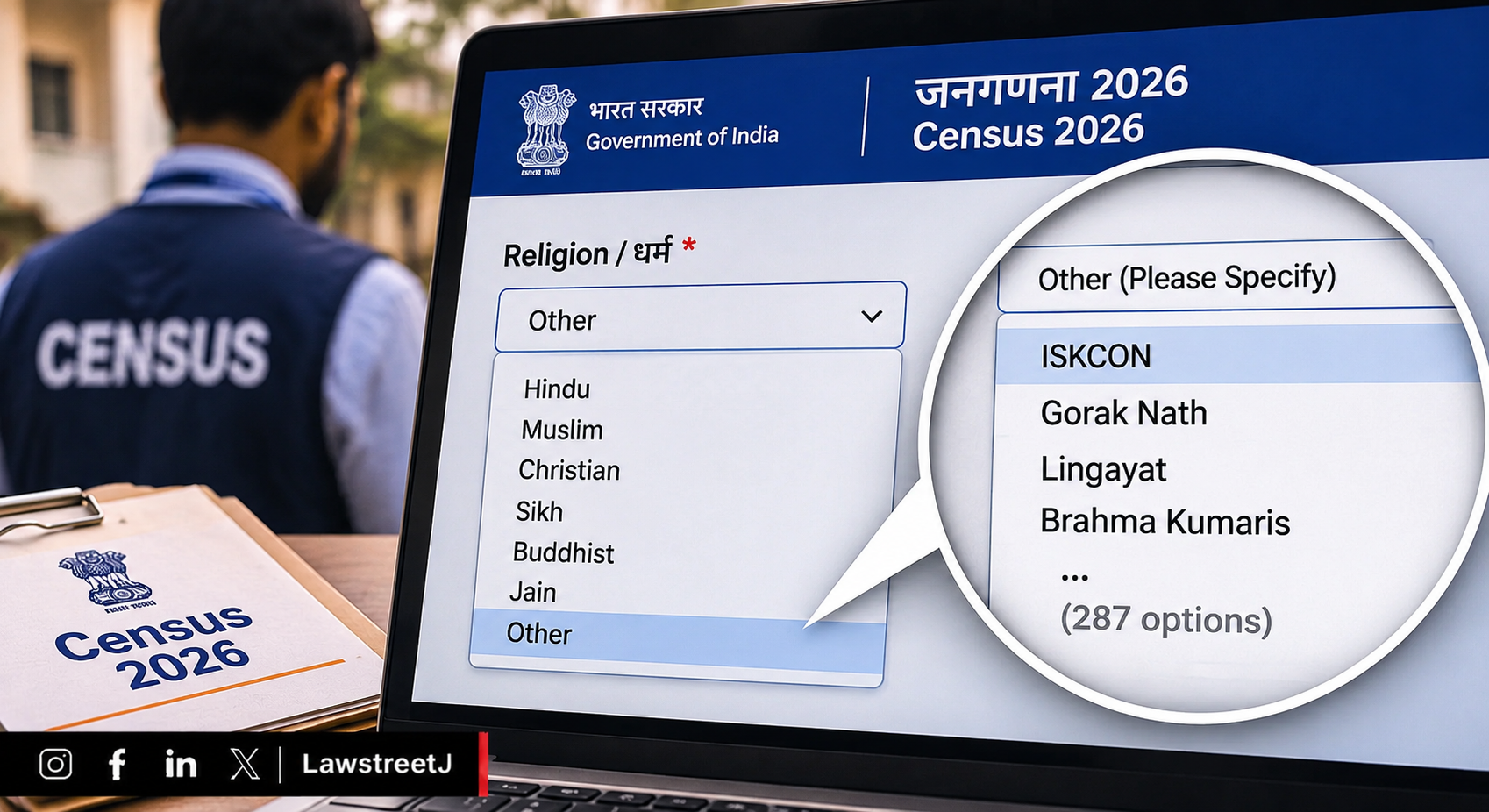
NEW DELHI: A drop-down menu listing 287 religious identities under the “Other” category briefly appeared on the Census 2027 portal, offering respondents options beyond the six major religions listed separately. The list included entries such as ISKCON, Tantric and Gorak Nath, before being removed following questions over how the categories had been classified.
The Census 2027 self-enumeration portal briefly displayed a list of 287 entries under the “Others” category in its religion section, including names such as ISKCON, Sanatan, Gorak Nath, Tantric, Shia, Sunni, Methodist and Pentecostal. The drop-down menu was removed later on November 16 after questions were raised about the classification by the Union Ministry of Home Affairs.
The incident has triggered questions about how religious identities are being recorded in India's first digital Census. The list included religious organisations, sects, spiritual traditions and denominations, raising concerns about whether different kinds of identities were being grouped together as separate religious options. However, government officials have clarified that the 287 entries were not intended to represent 287 officially recognised religions. A representative of the Registrar General and Census Commissioner of India (RG&CCI) said the existing system of six major religious categories and an “Others” option remained unchanged.
A government official also described the entries as predictive-text suggestions intended to help prevent spelling variations when respondents entered a religion not covered by the six main categories. The appearance of these suggestions as a selectable drop-down menu is being examined.
The portal was launched on November 16 for Uttar Pradesh, Uttarakhand, Goa and Punjab, ahead of the second phase of Census 2027.
287 Entries Included Religious Organisations, Sects and Traditions
The list reportedly contained a wide range of names, including ISKCON, Ramakrishna Paramahamsa, Sanatan, Shri Ram, Shri Krishna, Tirupati Balaji, Gorak Nath, Balmiki, Ramdev, Bishnoi, Sarna, Basaveshwara, Tantric and Yogi.
It also included entries such as Shia, Sunni, Sufi, Methodist and Pentecostal, which represent different religious traditions or denominations.
The range of entries raised questions about the criteria used to prepare the list. Some names are associated with religious organisations or spiritual movements, while others refer to traditions, communities or denominations within larger religions.
According to the explanation provided by a government official, the predictive-text feature was intended to help standardise spelling when respondents entered a religious identity under “Others”. For example, if someone identified as a follower of ISKCON, the system could suggest the corresponding entry and reduce variations in how the name was recorded.
The official also said that how these entries appeared as a drop-down menu was being looked into.
Government Says Six Major Categories and ‘Others’ Remain Unchanged
The Registrar General and Census Commissioner of India clarified that the religion question continues to provide seven broad choices: Hindu, Muslim, Christian, Sikh, Buddhist, Jain and Others.
Respondents who do not identify with any of the six named categories can select “Others” and enter their religious identity, following the approach used in previous Censuses. Officials rejected the interpretation that the 287 entries had been officially designated as separate religions. The distinction is important because a predictive-text suggestion is not the same as a formal government classification or recognition of a religion.
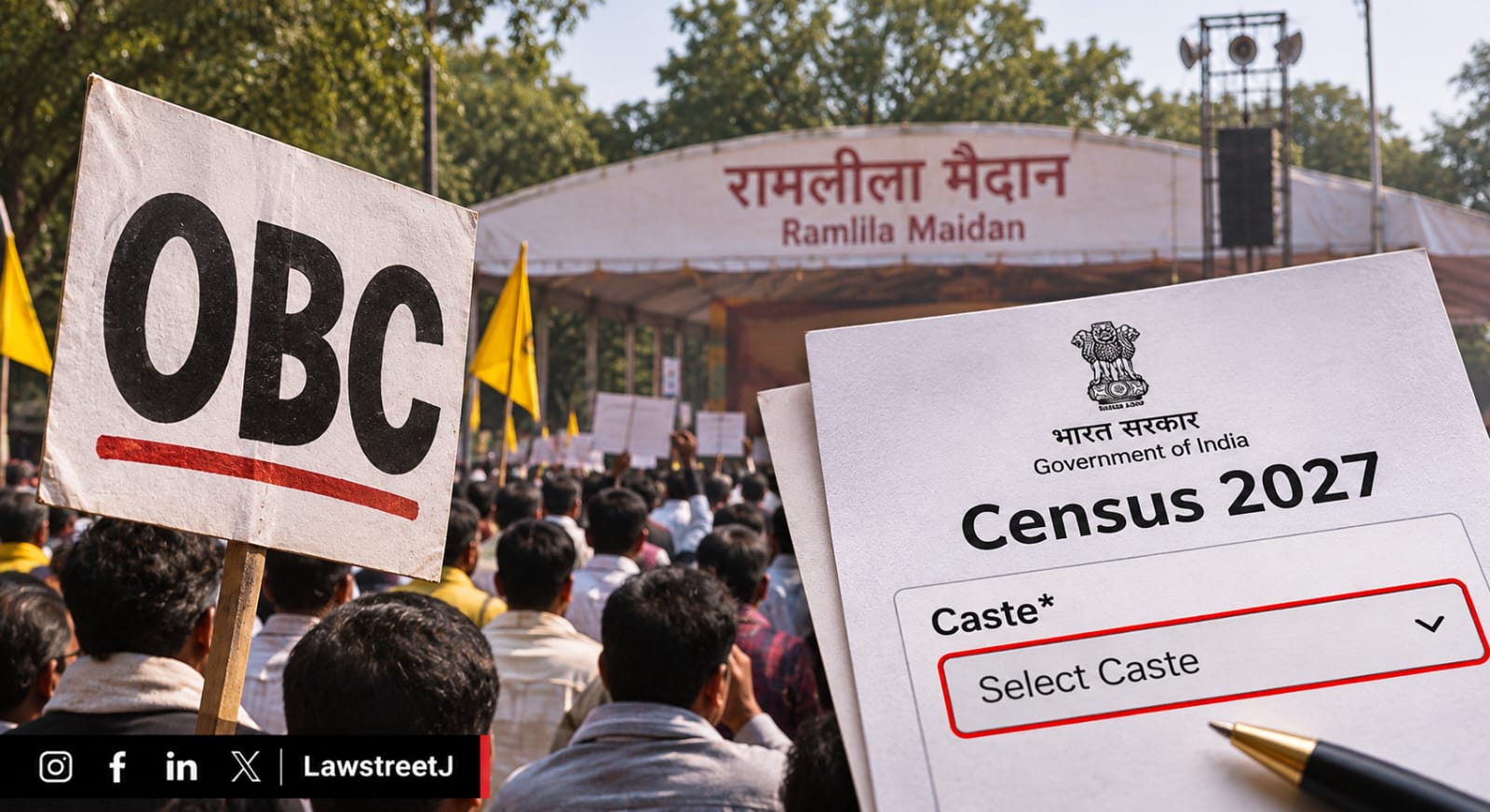
The Census 2027 exercise is being conducted under the Census Act, 1948. The notified household schedule includes questions on religion, Scheduled Caste and Scheduled Tribe status, caste, language, education, employment and other household and individual details. The self-enumeration facility is part of the government's move towards a digital Census. Residents in the four States where the portal has opened can submit their household information online before the scheduled house-to-house enumeration.
The portal's initial launch for Uttar Pradesh, Uttarakhand, Goa and Punjab is linked to the 2027 Assembly election calendar. The self-enumeration window for these States is scheduled to remain open until November 30, 2026.
Congress Questions Census Preparation and Data Collection
The episode has also drawn political criticism. Congress general secretary Jairam Ramesh described the development as bizarre and questioned the government's preparation for Census 2027. He argued that while a large drop-down list had appeared for religious identities under “Others”, a similar structured option was not being provided for caste entries beyond the Scheduled Castes and Scheduled Tribes.
Ramesh said the Census was turning into a “farce” in several respects and warned that the shortcomings could have serious implications. The Congress has previously raised concerns about the methodology and transparency of the upcoming Census, particularly the manner in which caste information will be collected.
The latest controversy has therefore expanded the debate beyond the temporary appearance of the religion menu to broader questions about the design and reliability of the digital enumeration system. The government has not announced a change to the seven-category religion format. Its stated position remains that respondents can identify their religion under “Others” through a written entry, while the circumstances behind the appearance of the 287 predictive-text suggestions are being examined.
As the first digital Census moves forward, the episode highlights the importance of clear instructions, consistent data-entry systems and transparent communication, particularly when collecting sensitive information about religion and caste.