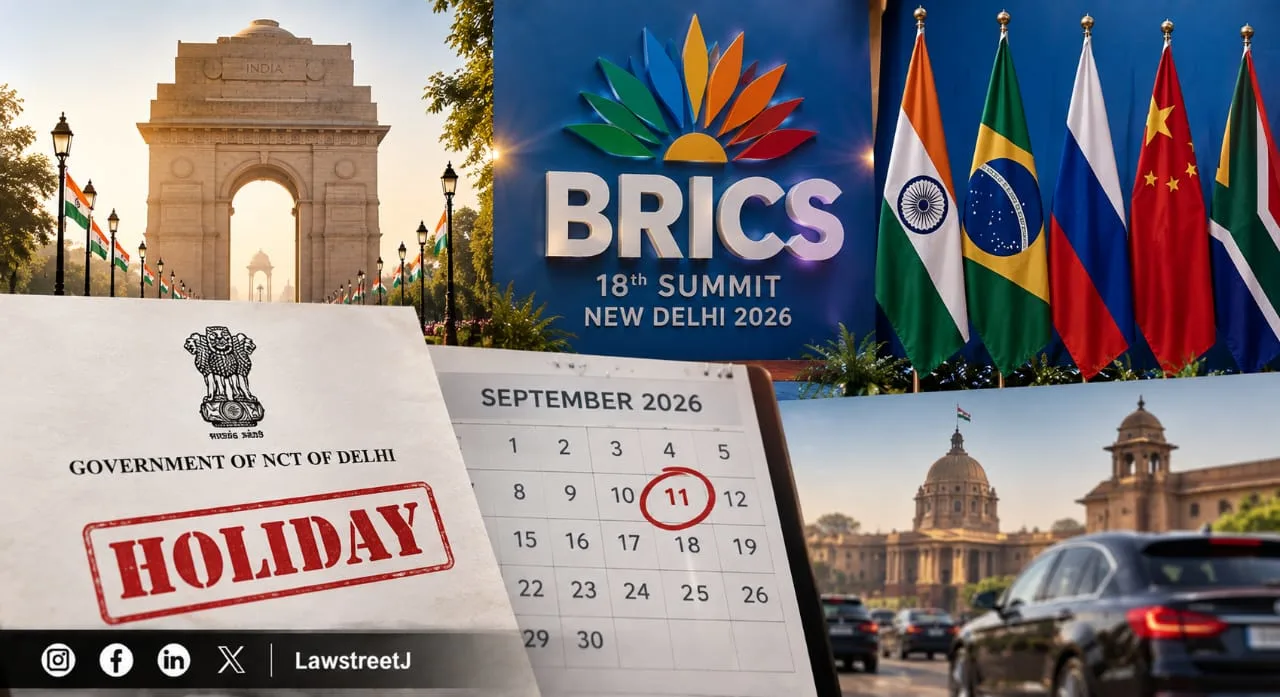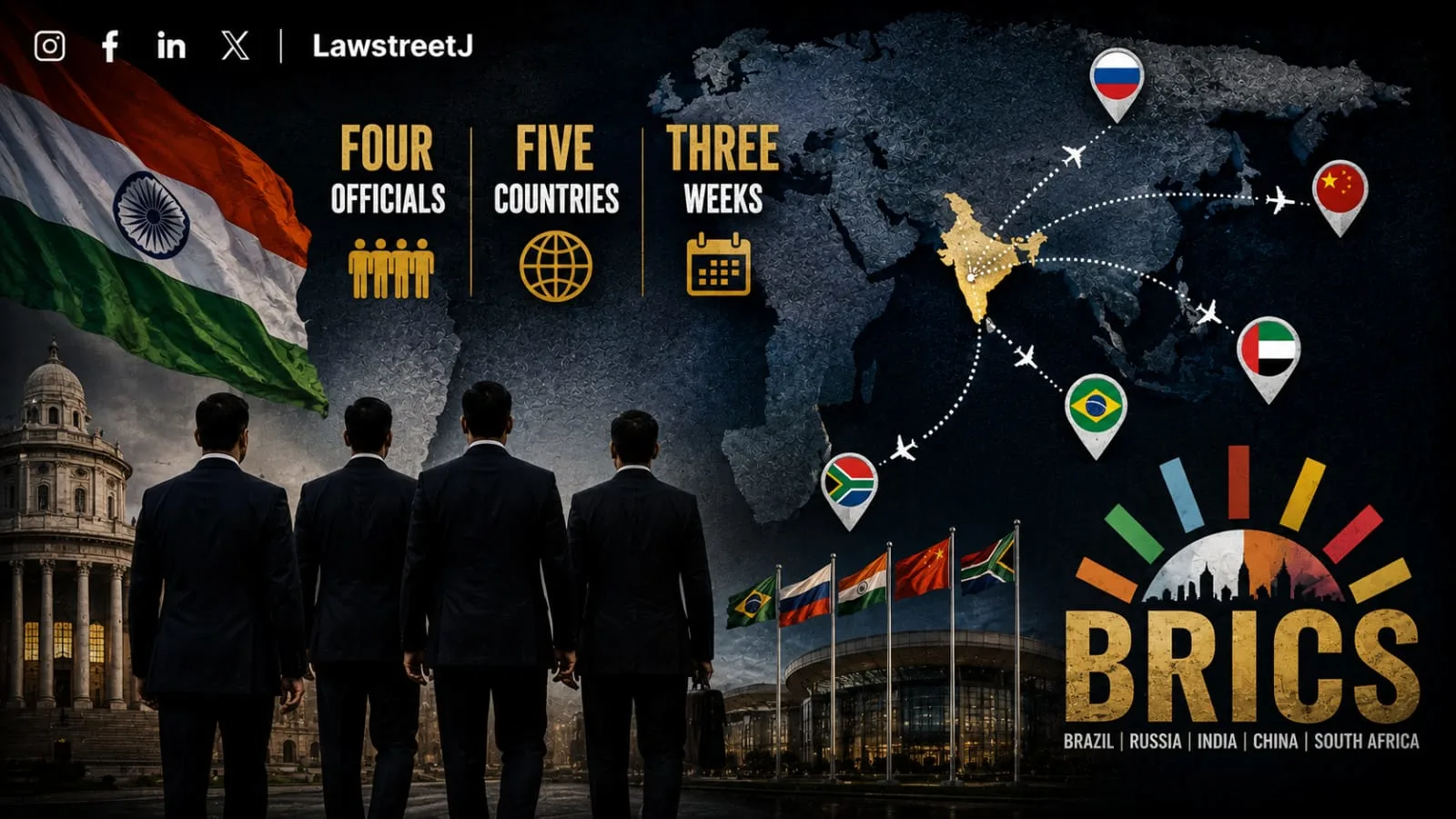
NEW DELHI - In the three weeks before India hosts the BRICS Summit in New Delhi on September 12 and 13, the country's most senior foreign policy and economic officials are simultaneously active across five countries - Russia, China, Japan, Canada, and the United States in what amounts to the most concentrated pre-summit diplomatic operation India has executed in recent memory. Prime Minister Narendra Modi, External Affairs Minister S. Jaishankar, Finance Minister Nirmala Sitharaman, Commerce Minister Piyush Goyal, and National Security Adviser Ajit Doval are all part of a three-week outreach that will shape the diplomatic and economic landscape India walks into when it opens the BRICS Summit doors in the second week of September.
The stakes are considerable. Both Russian President Vladimir Putin and Chinese President Xi Jinping are expected to attend the New Delhi summit in person. China has approximately 400 officials slated to arrive for the proceedings. The combination of India-China boundary talks, India-Russia strategic discussions, and India's western economic engagements with Japan, Canada and the United States reflects a foreign policy architecture that is simultaneously managing relationships across every axis of global power.
Jaishankar in Moscow: Energy, Trade, and Securing Putin

External Affairs Minister S. Jaishankar concluded a two-day official visit to Russia on Monday evening, becoming the latest senior Indian minister to travel to Moscow ahead of the BRICS Summit. His visit focused on the bilateral relationship, co-chairing the 26th Session of the India-Russia Inter-Governmental Commission on Trade, Economic, Scientific, Technological and Cultural Cooperation, as well as meetings with Russian Foreign Minister Sergey Lavrov to review the bilateral agenda and exchange perspectives on regional and global issues.

The visit aimed to further strengthen the longstanding India-Russia Special and Privileged Strategic Partnership. Jaishankar's engagements in Moscow also served the pre-BRICS purpose of ensuring that Russia's leadership is fully invested in the New Delhi summit as a productive diplomatic exercise. Putin is slated to attend the September 12-13 BRICS Summit in person, and his presence at a summit hosted by India, with Xi Jinping attending simultaneously, would make the New Delhi BRICS one of the most significant geopolitical gatherings India has hosted in its post-independence history.
India-Russia ties have remained significant across energy, defence, and trade. Russia continues to be one of India's largest suppliers of crude oil, with Indian refiners having dramatically increased their purchases of discounted Russian oil since 2022. Jaishankar's Moscow visit reinforces India's position of maintaining its energy and strategic relationship with Russia while simultaneously deepening its economic and security engagement with Western partners.
Doval in Beijing: The Boundary Talks That Could Unlock Xi's India Visit

On Tuesday, August 25, NSA Ajit Doval held the Special Representatives talks on the India-China boundary question in Beijing with Chinese Foreign Minister Wang Yi. This was the 25th round of the Special Representatives mechanism, the formal dialogue channel established between India and China specifically to manage the boundary dispute.
Doval also called on Han Zheng, Vice President of the People's Republic of China. According to the Embassy of India in China, the two sides discussed strengthening peace and tranquillity in border areas and improving bilateral ties across economic, political and multilateral dimensions.
The timing of the Special Representatives meeting, three weeks before the BRICS Summit is precisely calibrated. India and China have both publicly indicated that peace and stability on the Line of Actual Control is the foundational precondition for normalised bilateral relations. The 2020 Galwan Valley standoff, in which soldiers from both sides died, marked the lowest point of the relationship in decades. Since late 2024, both countries have taken incremental steps toward de-escalation, with disengagement at several friction points on the LAC and a gradual resumption of diplomatic and economic exchanges, including the reopening of border trade through Nathu La and Shipki La on August 1.
The border talks between Doval and Wang Yi, if productive, could provide the political confidence for Xi Jinping to not merely attend the BRICS Summit but to hold a substantive bilateral meeting with PM Modi on the sidelines, the kind of meeting that would mark a genuine reset in India-China relations rather than simply a co-presence at a multilateral event.
Goyal in Japan: 200 Business Leaders and the Economics of the Relationship

Commerce Minister Piyush Goyal is currently in Japan, accompanied by a 200-strong Indian business delegation. The scale of the business delegation, 200 executives from across Indian industry signals that the Japan visit is not a diplomatic courtesy call but a serious trade and investment exercise.
India-Japan economic ties have been growing steadily, with Japan being one of India's most significant infrastructure investors through the Japan International Cooperation Agency. The Japan visit's focus on business engagement alongside diplomatic interaction reflects India's consistent effort to ensure that its bilateral relationships produce concrete commercial outcomes, not just strategic warmth.
Goyal's Japan visit preceded the formal start of the three-week pre-BRICS diplomatic window, having been in Singapore on August 20 alongside Jaishankar and Sitharaman, where India and Singapore signed agreements strengthening bilateral cooperation in telecommunications and broadcasting, maritime heritage, and food safety.
Sitharaman Heads to Canada and US: Trade, Investment, and the Western Economic Relationship

Finance Minister Nirmala Sitharaman began her eight-day official visit to Canada and the United States on Tuesday. The visit is one of the most economically significant bilateral engagements in the current pre-BRICS period.
Sitharaman's visit to Canada is taking place as New Delhi and Ottawa are working to conclude bilateral arrangements, a relationship that has been navigated carefully given the diplomatic turbulence of 2023 and 2024 over allegations made by the Canadian government and New Delhi's firm rejection of them. The current engagement on the economic track reflects both governments' interest in separating commercial and investment cooperation from the political tensions that have complicated the relationship.
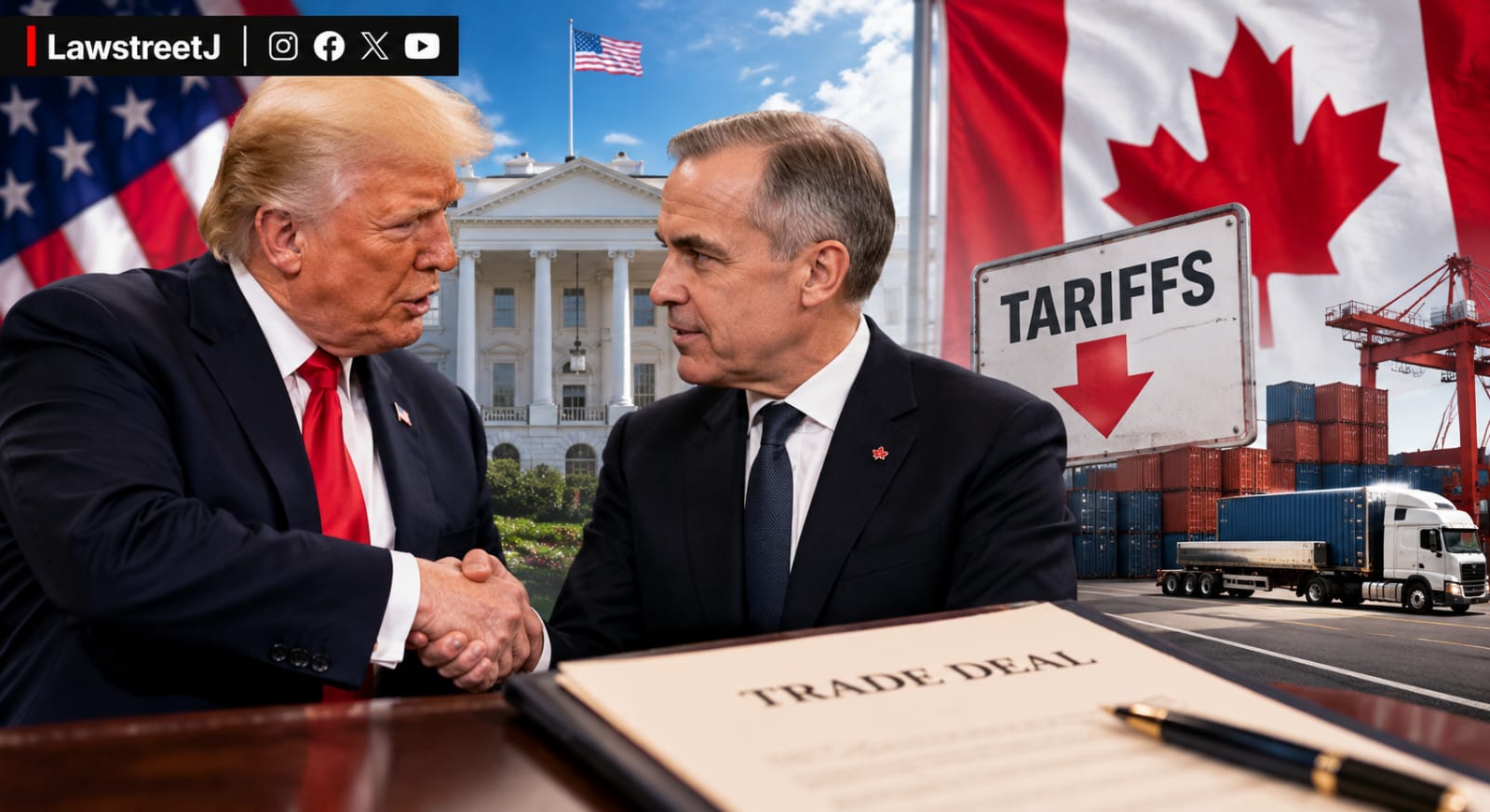
In the United States, Sitharaman's agenda is expected to focus on bilateral trade, India and the US are in the middle of negotiations that have been complicated by the Trump administration's tariff policies, including the administration's recent accusation against India in the "Great Transshipment Scam" report, as well as investment facilitation, financial sector cooperation, and multilateral economic matters ahead of the BRICS Summit.
Her visits to Canada and the US complete the western dimension of India's pre-BRICS engagement, which together with Goyal's Japan visit covers three of India's most significant non-China, non-Russia economic relationships.
PM Modi at SCO: A Dress Rehearsal Before BRICS
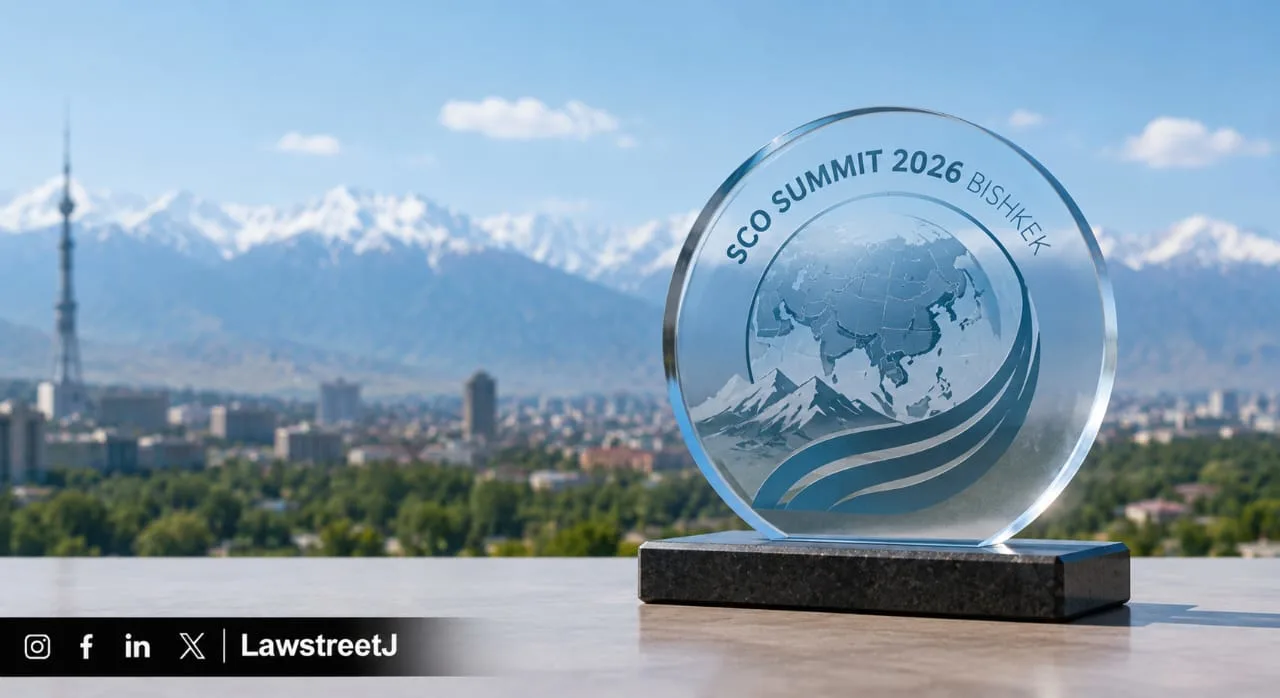
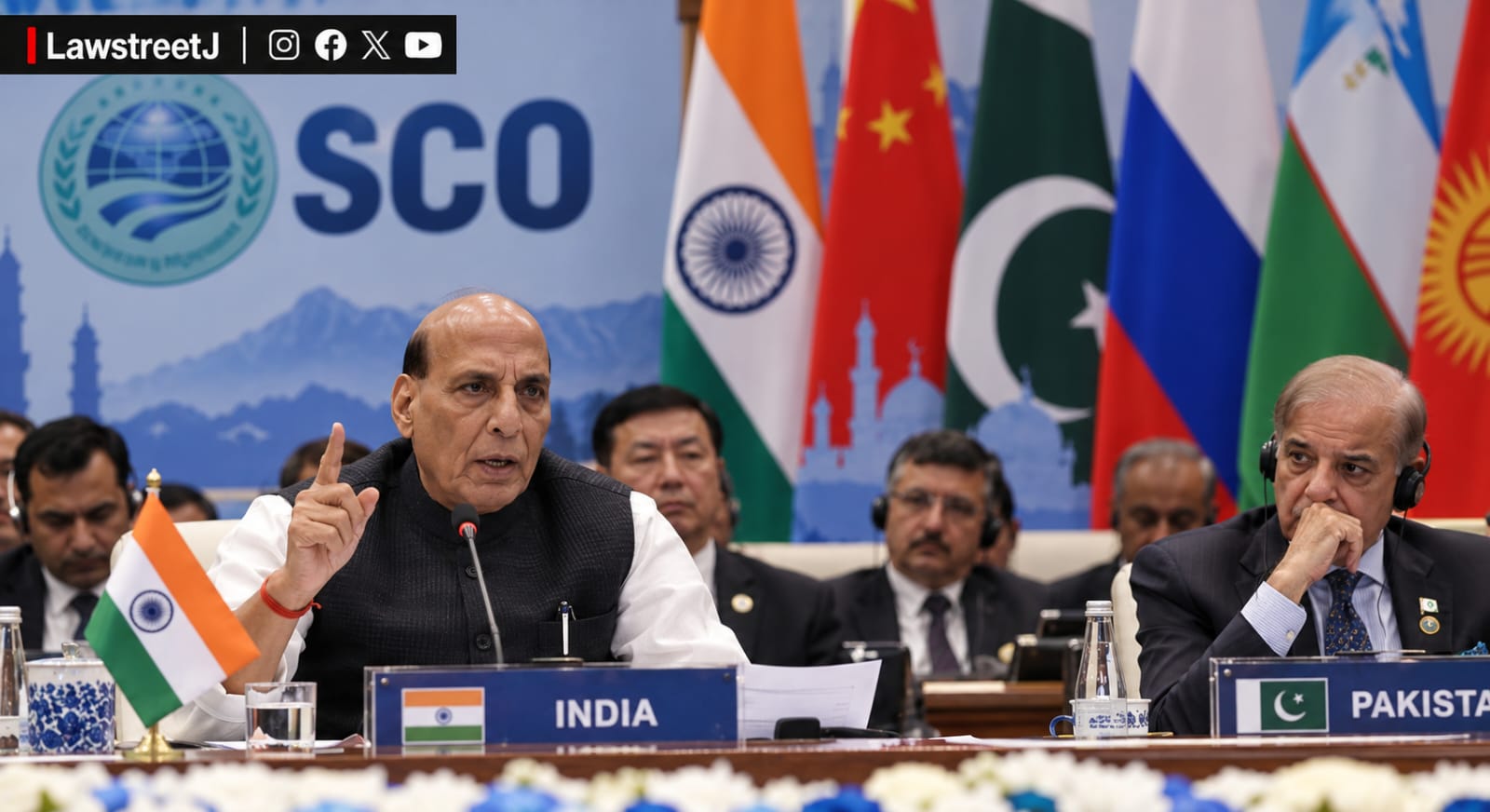
Before India hosts the BRICS Summit, PM Modi himself will travel to Bishkek, Kyrgyzstan to attend the Shanghai Cooperation Organisation Summit on August 31 and September 1. The SCO Summit will bring together Russia, China, India, Pakistan, and other member states and Modi is expected to hold bilateral meetings with Putin and Xi Jinping on the sidelines.
Those bilateral meetings at the SCO will, in effect, serve as preparatory conversations ahead of what will be Putin's and Xi's arrivals in New Delhi for BRICS. The topics discussed boundary matters with China, energy and strategic ties with Russia, will set the agenda for the deeper engagements that the BRICS Summit itself will accommodate.
India's BRICS 2026 priorities have been articulated as Resilience, Innovation, Cooperation, and Sustainability. As the grouping marks its 20th anniversary, the New Delhi summit will be the most expansive BRICS gathering yet including not just the original five members but also Egypt, Ethiopia, Indonesia, Saudi Arabia, Iran, and the UAE, which joined the expanded BRICS in 2024.
What the Diplomatic Surge Signals
The scale and simultaneity of India's pre-BRICS diplomatic outreach carries a message that is as much about India's self-positioning as it is about the individual bilateral agendas.
India is demonstrating, through the physical presence of its most senior officials across Moscow, Beijing, Tokyo, Ottawa, and Washington D.C. within the same three-week window, that it is capable of managing consequential relationships across every axis of global power simultaneously. It is engaging Russia while engaging the West. It is holding boundary talks with China while its commerce minister is deepening the Japanese business relationship. It is deploying its finance minister to Canada and the US while its NSA is in Beijing.
That simultaneous multi-directional engagement is the clearest expression of the "strategic autonomy" doctrine that has defined India's foreign policy approach and it is being demonstrated most vividly in the weeks immediately before India opens the doors of its most significant multilateral summit in years.