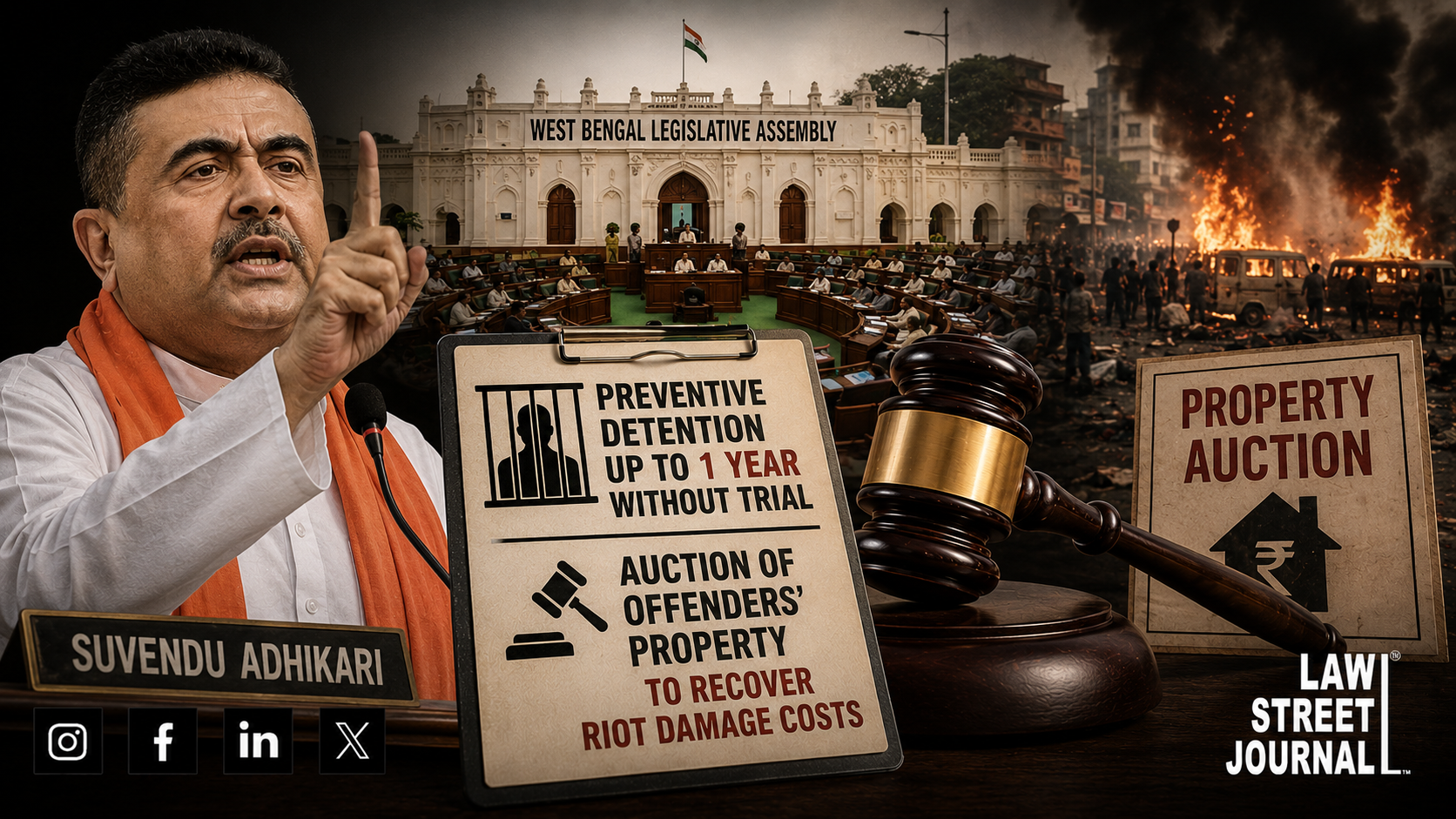
The West Bengal Public Safety and Control of Anti-Social Activities Bill, 2026 permits detention without trial for up to a year and ordinarily bars legal representation before the advisory board reviewing such detentions, while a companion amendment allows the State to confiscate and auction the property of those held liable for damage during riots and unlawful assemblies.
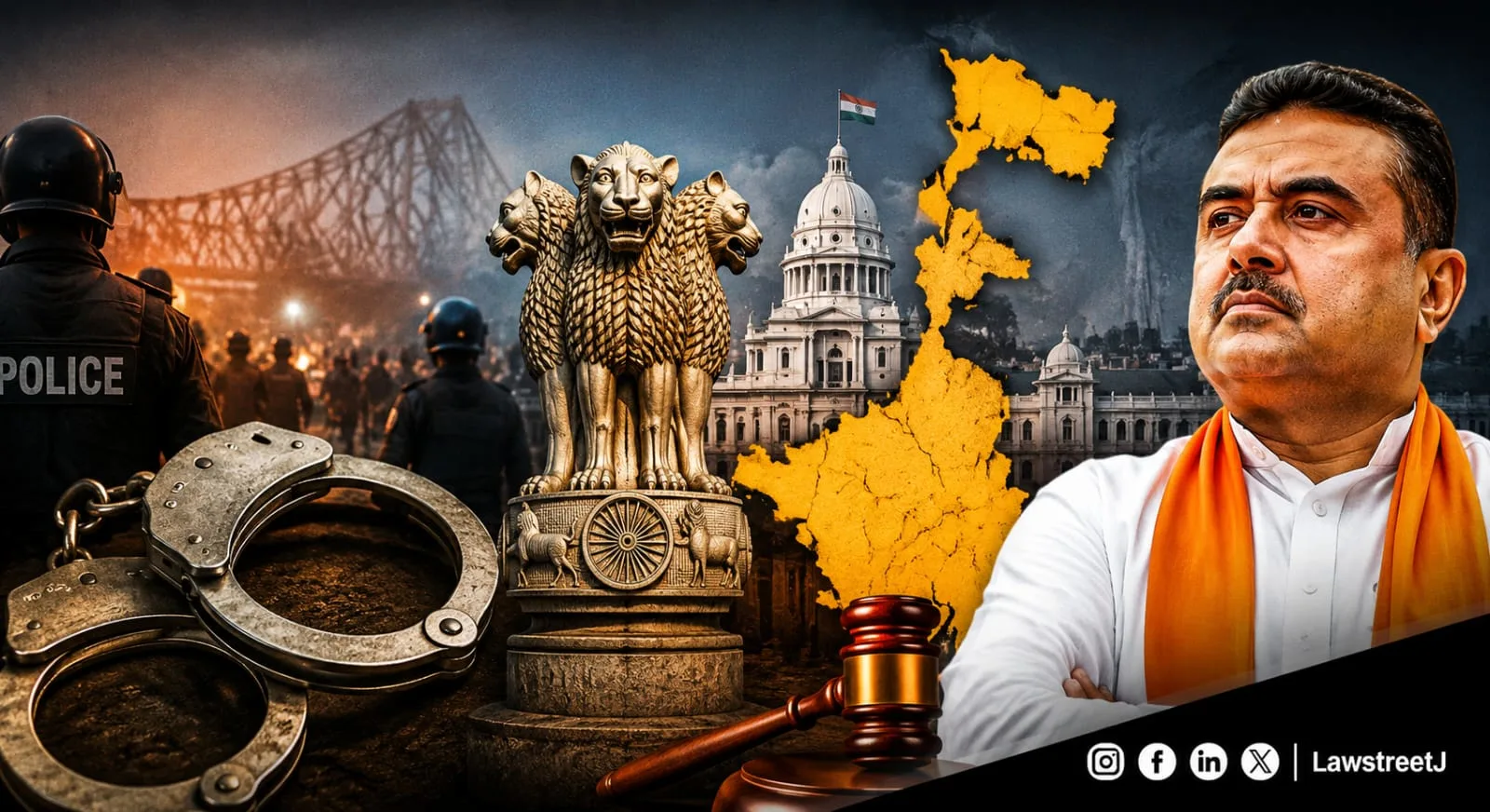
The West Bengal Legislative Assembly on June 29 passed the West Bengal Public Safety and Control of Anti-Social Activities Bill, 2026, which allows the State to place individuals engaging in ‘anti-social activities’ in preventive detention for up to one year without trial. The Assembly also passed a second legislation, the West Bengal Maintenance of Public Order (Amendment) Bill, 2026, which allows the recovery of compensation from persons who damage public or private property during riots, unlawful assemblies and violent protests.
The Public Safety and Control of Anti-Social Activities Bill
The Bill empowers the State government to order preventive detention of an individual if it deems the measure necessary to prevent activities that may be prejudicial to public order. It proposes the constitution of an advisory board before which every case of detention will be scrutinised within three weeks.
Section 10(4) of the Bill states that a person under preventive detention will not “ordinarily be represented by a legal practitioner” before the advisory board, according to a report in The Hindu. The restriction, however, may be removed in appropriate cases, with the reasons for doing so required to be recorded in writing.
The Bill expands the definition of “anti-social activities” to include offences such as organised extortion, unlawful dispossession of property, obstruction of business, illegal mining and sand extraction, and other activities causing substantial loss to the public exchequer. According to a report in the Hindustan Times, the Bill defines anti-social activity to include any act that causes or is likely to cause, directly or indirectly, alarm, danger, fear or insecurity among people; that poses a great or widespread danger to life or property; that causes disturbance in public order; that obstructs business, trade or professions; that involves the unlawful dispossession of any person from movable or immovable property; or that causes substantial loss or damage to public and private property.
The Bill also contains provisions empowering the District Magistrate, the Commissioner of Police, and police officers not below the rank of Deputy Inspector General authorised by the State government, to remove and prohibit “goondas” or habitual offenders from entering specific areas or districts for up to a year.
“Certain sections of society,” the Bill’s mover said, had been engaging in illegal activities that the new law was necessary to curb - particularly, he said, under the previous government.
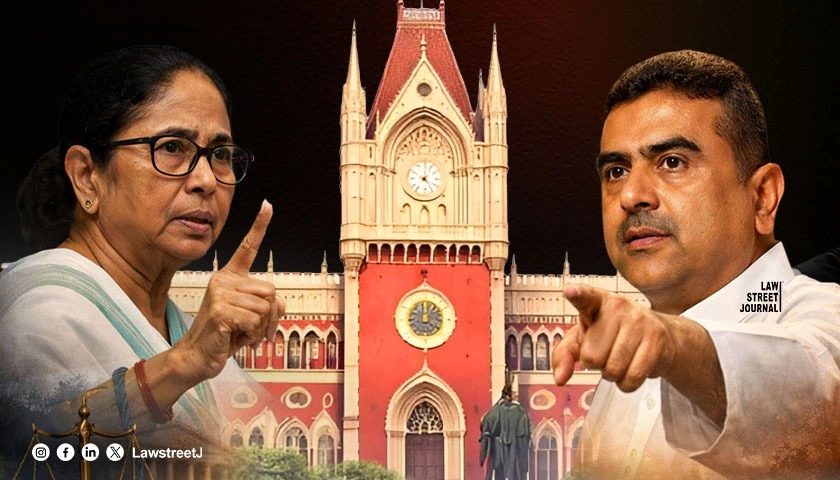
While introducing the Bill in the Assembly, recently elected Chief Minister Suvendu Adhikari said that the legislation was necessary to curb illegal activities that “certain sections of society” were engaging in, especially under the previous Trinamool Congress (TMC) government.
The Maintenance of Public Order (Amendment) Bill
The West Bengal Maintenance of Public Order (Amendment) Bill, 2026, passed by the Assembly on Monday, allows the recovery of compensation from persons who damage public or private property during riots, unlawful assemblies and violent protests. The Bill provides for the confiscation of an offender’s property, which may then be put up for auction to compensate for the losses caused.
The Bill provides for the constitution of a statutory claims commission to determine the amount of compensation payable in each case. Significantly, the commission is empowered to hold liable not only persons directly involved in the violence, but also organisers, financiers, instigators, and those providing logistical support, for the purposes of recovering compensation.
Significance
Both pieces of legislation considerably expand the State’s preventive and punitive powers in relation to public order. The preventive detention Bill, by permitting detention without trial for up to a year and ordinarily excluding legal representation before the reviewing advisory board, sits within a familiar but contested category of preventive detention laws that Indian States have historically enacted to address organised crime and habitual offenders, and which have frequently drawn constitutional scrutiny over the exclusion of legal representation and the breadth of terms such as ‘anti-social activities.’
The public order amendment, by enabling confiscation and auction of property to recover riot-related compensation and by extending liability to financiers and organisers rather than only those who directly cause damage, follows a model of recovery legislation that several States have adopted in recent years in response to protest-related property destruction.
Bill Details
- Legislature: West Bengal Legislative Assembly
- Date of Passage: June 29, 2026
- Bill 1: West Bengal Public Safety and Control of Anti-Social Activities Bill, 2026 - provides for preventive detention without trial for up to one year; constitutes an advisory board to review detention cases within three weeks; ordinarily bars legal representation before the board under Section 10(4); expands the definition of ‘anti-social activities’; empowers authorities to exclude habitual offenders from specified areas for up to a year
- Bill 2: West Bengal Maintenance of Public Order (Amendment) Bill, 2026 - enables recovery of compensation from persons damaging public or private property during riots, unlawful assemblies and violent protests; provides for confiscation and auction of offenders’ property; constitutes a statutory claims commission to determine compensation; extends liability to organisers, financiers, instigators and logistical supporters
- Moved By: Chief Minister Suvendu Adhikari

![Calcutta High Court Orders Central Forces Deployment in Murshidabad Amid Violent Protests Against Waqf Act [Read Order]](/secure/uploads/2025/04/lj_7557_Calcutta_High_Court_Orders_Central_Forces.webp)