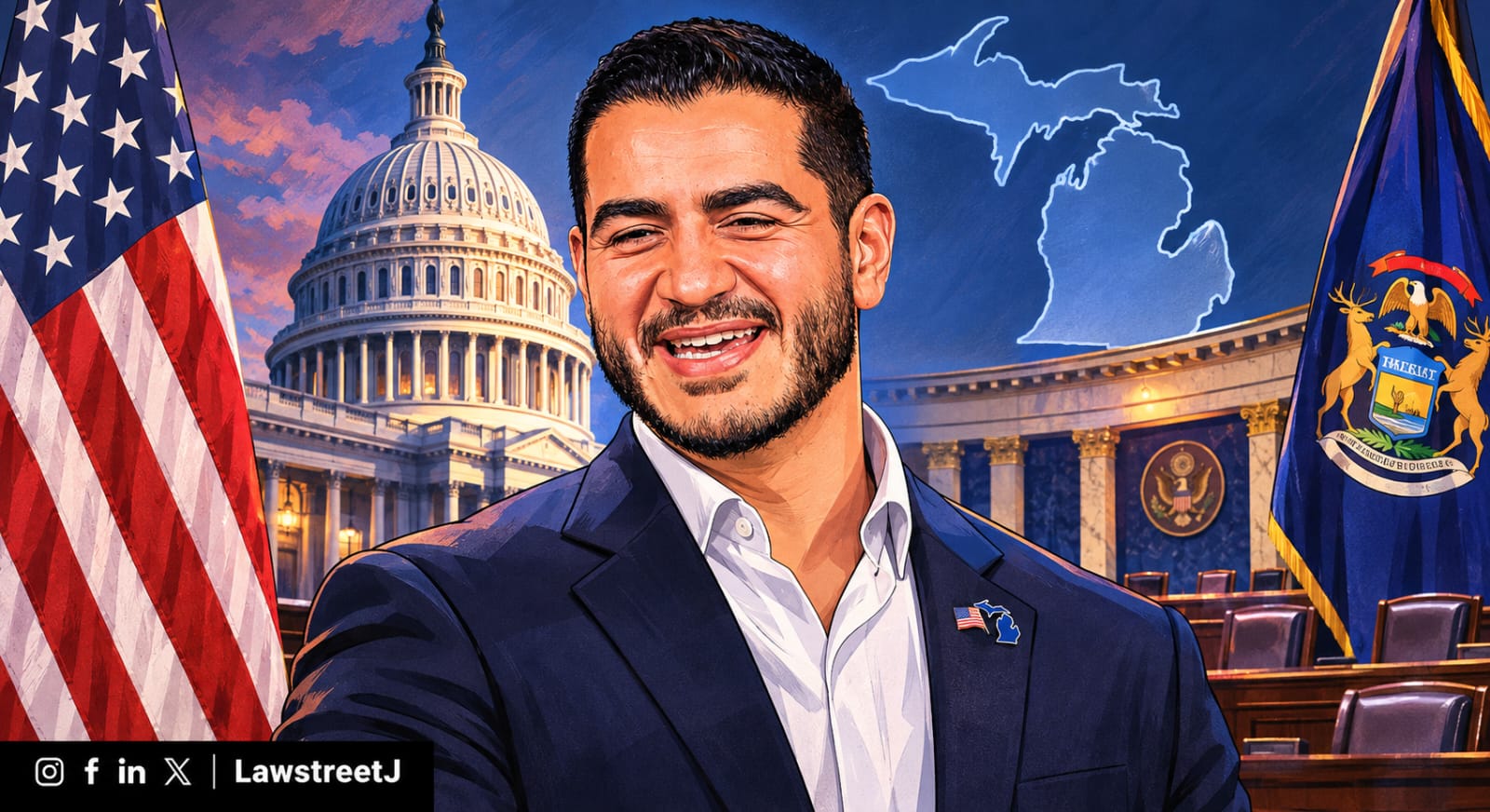
Detroit — Democrat Abdul El-Sayed defeated Republican Mike Rogers in Michigan's open US Senate race, the Associated Press projected early Wednesday, making him the first Muslim elected to the Senate. The win kept the seat in Democratic hands in one of the most expensive and bitterly fought contests of the 2026 midterms.
The AP called the race at 2:27 a.m. Wednesday with 85 percent of the vote reporting, with El-Sayed at 51.9 percent to Rogers's 46.1 percent. Decision Desk HQ had earlier projected the win. Taking the stage in Detroit around 1:30 a.m., El-Sayed told supporters: "Michigan, we did it. I am so proud and honored to stand here as your senator-elect from the great state of Michigan." The race was open because Democratic Senator Gary Peters did not seek re-election. Democrats have held the seat since 1979. The count was still ongoing, so final margins may shift.
Who He Is
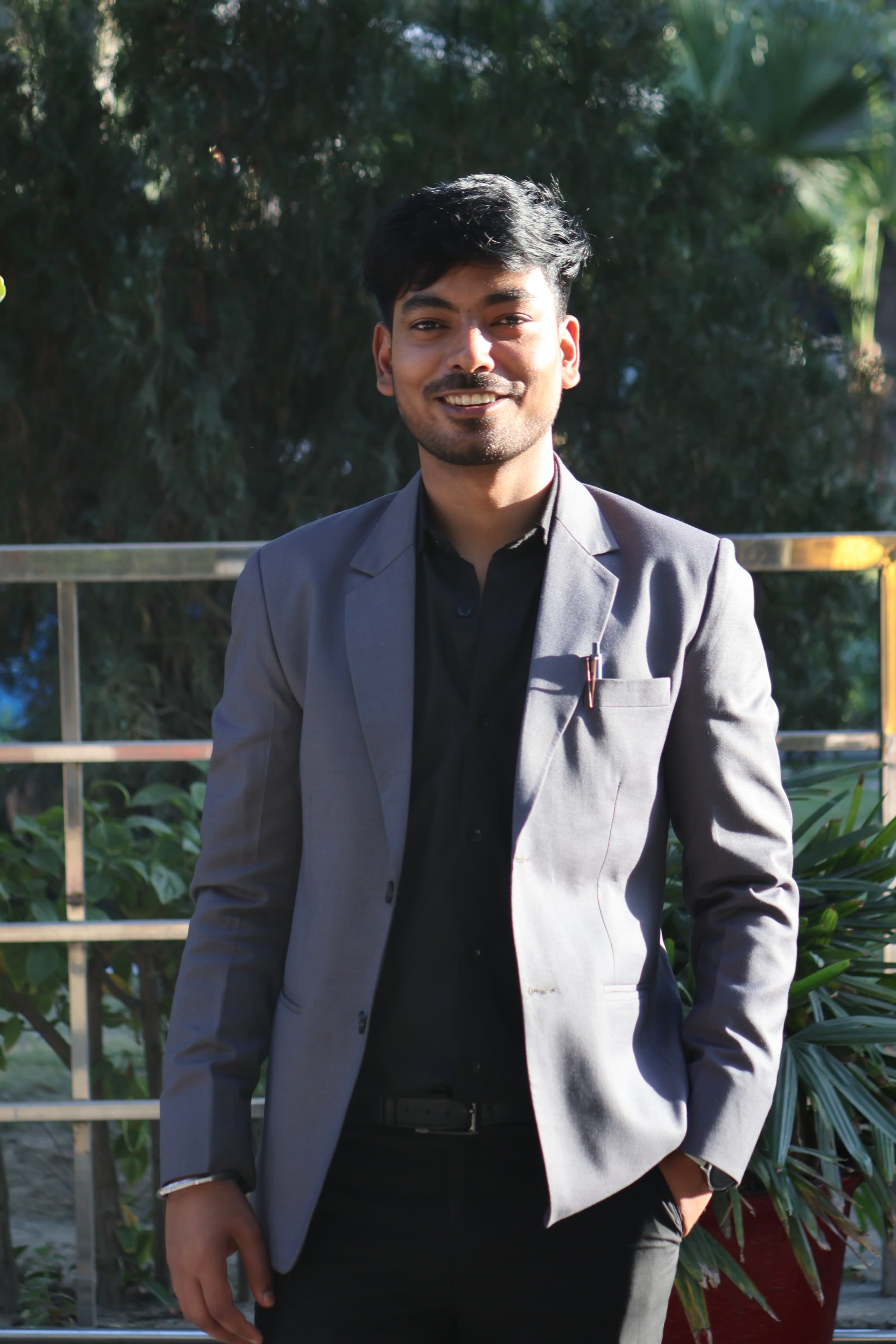
El-Sayed, 42, was born in Rochester Hills, Michigan, to Egyptian immigrant parents and was raised in the Detroit area. He trained in medicine and public health, and Detroit News described him as the first Democratic doctor to serve in the Senate since 1969. During the campaign, Rogers and other critics said the "doctor" description was misleading, arguing that Michigan and federal law tie the term to licensure; his campaign pointed to the American Medical Association's definition, which includes anyone with a medical degree.
El-Sayed won the Democratic nomination on August 4 by about one percentage point over Representative Haley Stevens, who had warned he could not beat Rogers. The primary featured chaotic twists, including one candidate dropping out after a fake poll, according to Detroit News. In the closing stretch, Stevens appeared with Rogers at a Detroit church, a prominent endorsement for the Republican.
Rogers, a former congressman who narrowly lost the 2024 Senate race to Elissa Slotkin even as Donald Trump carried the state, sought to cast El-Sayed as an extremist and tried to tie him to the Muslim Brotherhood, an Islamist group, a tactic many Democrats and local religious leaders criticised as anti-Muslim rhetoric. El-Sayed accused Rogers and other Republicans, including Trump, of Islamophobic attacks, and cast Rogers as a puppet for Trump over two debates. In the fall Rogers broke with Trump to oppose the Iran war and Canadian tariffs, and Israel stayed at the centre of the race, according to Newsweek. In his victory remarks, El-Sayed said his "name and faith" were not the reason Michiganders could not afford gas, groceries or a doctor.
Pre-election polling had favoured El-Sayed, he led by 49.8 percent to 44.9 percent in the RealClearPolitics average, and a New York Times/Siena poll showed him up 11 points.
National Context
El-Sayed's victory came as Democrats won control of the Senate, with the AP reporting flips in several Republican-held states, and as they won control of the House. The Michigan race had been identified by national leaders as key to the fight for Senate control, and Bloomberg described the result as a significant boost for progressives nationally.
The Constitution sets only three qualifications for a senator, a minimum age of 30, nine years of US citizenship and residence in the state of election (Article I, Section 3). Article VI, Clause 3 bars any religious test as a qualification for any federal office, and the First Amendment protects the free exercise of religion, so a candidate's faith has no legal bearing on eligibility. Muslim Americans have previously served in the House of Representatives, but no Muslim had been elected to the Senate before this result. Senators serve six-year terms, and the senator-elect will be sworn in at the start of the new Congress in January 2027 after state officials certify the results.