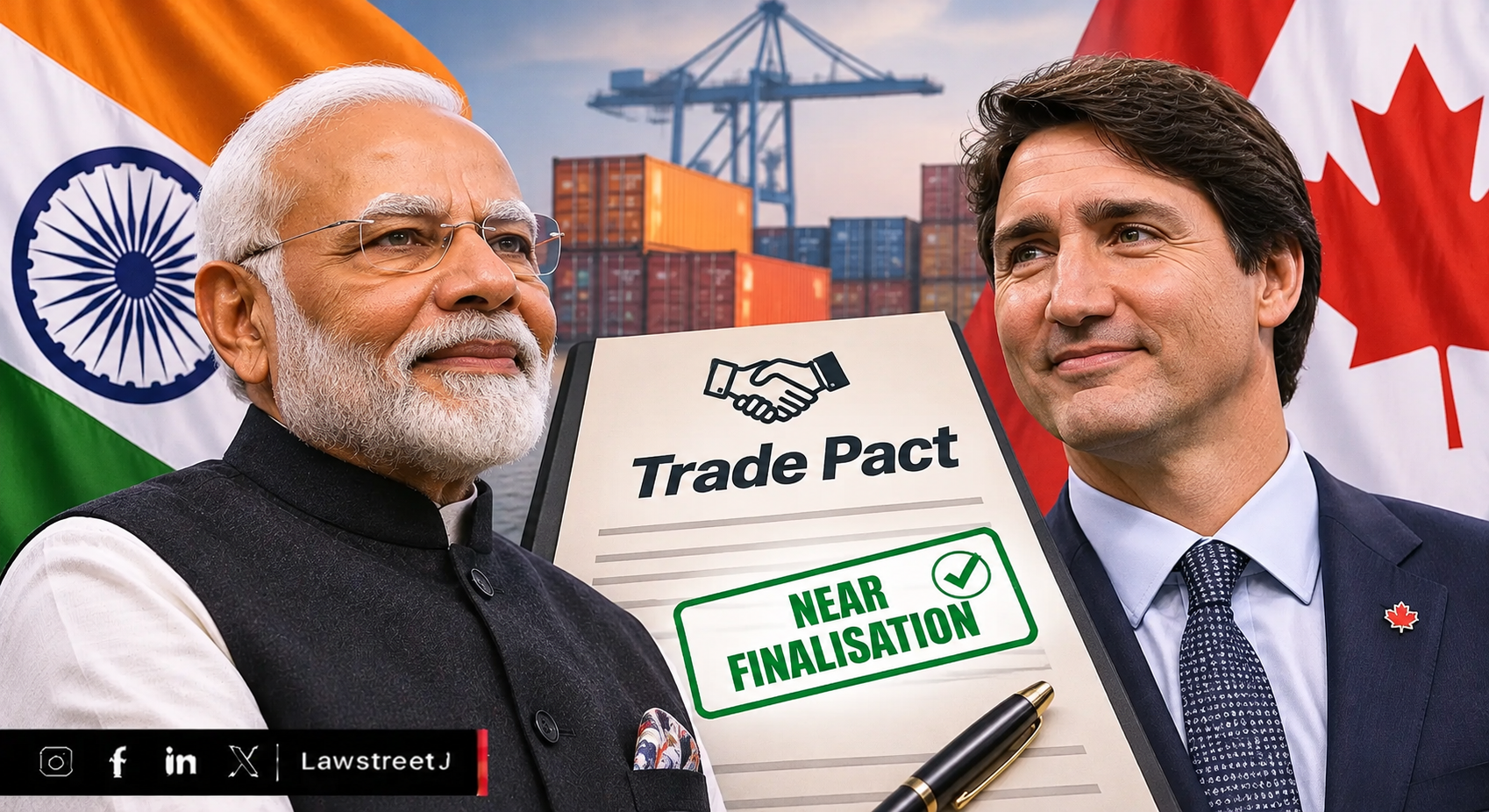
NEW DELHI: India and Canada are reportedly nearing the conclusion of negotiations for a proposed trade agreement, with officials from both countries expressing optimism about reaching a deal by the end of 2026. The renewed momentum signals a significant improvement in bilateral economic engagement after a period of diplomatic tensions.
The proposed agreement is expected to strengthen trade and investment ties, improve market access for businesses and create fresh opportunities for cooperation across key sectors. Both sides are working towards completing negotiations before the end of the year, although several details of the proposed arrangement still need to be finalised.
The renewed engagement comes as New Delhi and Ottawa seek to rebuild their relationship and expand economic cooperation beyond traditional areas of bilateral trade.
Six Rounds of Negotiations Completed
The latest progress follows the conclusion of the sixth round of negotiations for the proposed India–Canada Comprehensive Economic Partnership Agreement (CEPA), held in New Delhi from November 11 to November 20.
The discussions covered several important areas, including:
- Trade in goods and services.
- Rules of origin.
- Trade remedies.
- Intellectual property rights.
- Investment promotion.
Commerce and Industry Minister Piyush Goyal and Canada's Minister of International Trade Maninder Sidhu reviewed the negotiations during their meeting in New Delhi. Both ministers reiterated their commitment to a balanced agreement that delivers meaningful market access and benefits businesses in both countries.
Commerce Secretary Rajesh Agrawal also met Canadian Vice Minister of International Trade Glenn Purves to assess the progress made during the latest round.
Officials described the discussions as constructive, with progress across multiple negotiating areas. Both governments have reaffirmed their intention to conclude negotiations within the timeline set by their respective leaders.
Three Chapters Already Concluded
The negotiations have also moved beyond preliminary discussions. Three chapters relating to services have reportedly been concluded, while discussions on the remaining areas are continuing. The agreement involves negotiations across 16 policy areas, including market access, customs procedures, investment, technical standards, intellectual property and dispute settlement.
The two countries are continuing discussions to resolve outstanding differences and establish mutually acceptable terms. The proposed CEPA is intended to provide a comprehensive framework for economic cooperation rather than simply reduce import duties on selected products.
The proposed agreement carries considerable economic importance for both countries.
According to Canadian government figures, bilateral merchandise trade reached $13.6 billion in 2025, while total trade in goods and services stood at approximately $30.4 billion. India exported merchandise worth $9.7 billion to Canada, while imports from Canada amounted to $3.9 billion.
Both countries see considerable opportunities in sectors where their economies complement each other. Key areas of potential cooperation include:
- Energy and critical minerals: Canada could become an important partner in India's efforts to diversify energy and mineral supplies.
- Agriculture and food processing: Greater market access could create opportunities for agricultural producers and exporters.
- Technology and artificial intelligence: Both countries are exploring cooperation in digital technologies and innovation.
- Education and professional services: Stronger economic ties could support collaboration in education, skills and services.
- Clean energy and advanced manufacturing: Investment and technology partnerships could strengthen industrial cooperation.
The broader ambition is to increase annual bilateral trade to CAD 70 billion by 2030, more than doubling the existing level.
A Relationship Rebuilding After Diplomatic Tensions
The renewed trade negotiations are particularly significant because India and Canada experienced a difficult diplomatic period in 2023.
Relations deteriorated following allegations made by then Canadian Prime Minister Justin Trudeau concerning a possible Indian government link to the killing of Khalistani separatist Hardeep Singh Nijjar in Canada. India rejected the allegations.
The diplomatic dispute affected political engagement and broader bilateral cooperation. However, both governments have since taken steps to rebuild their relationship through diplomatic meetings, ministerial exchanges and economic engagement.
The formal relaunch of CEPA negotiations in March 2026, following discussions between Prime Minister Narendra Modi and Canadian Prime Minister Mark Carney, represented an important step towards restoring economic cooperation.
Subsequent meetings between the two countries' trade ministers have helped maintain momentum.