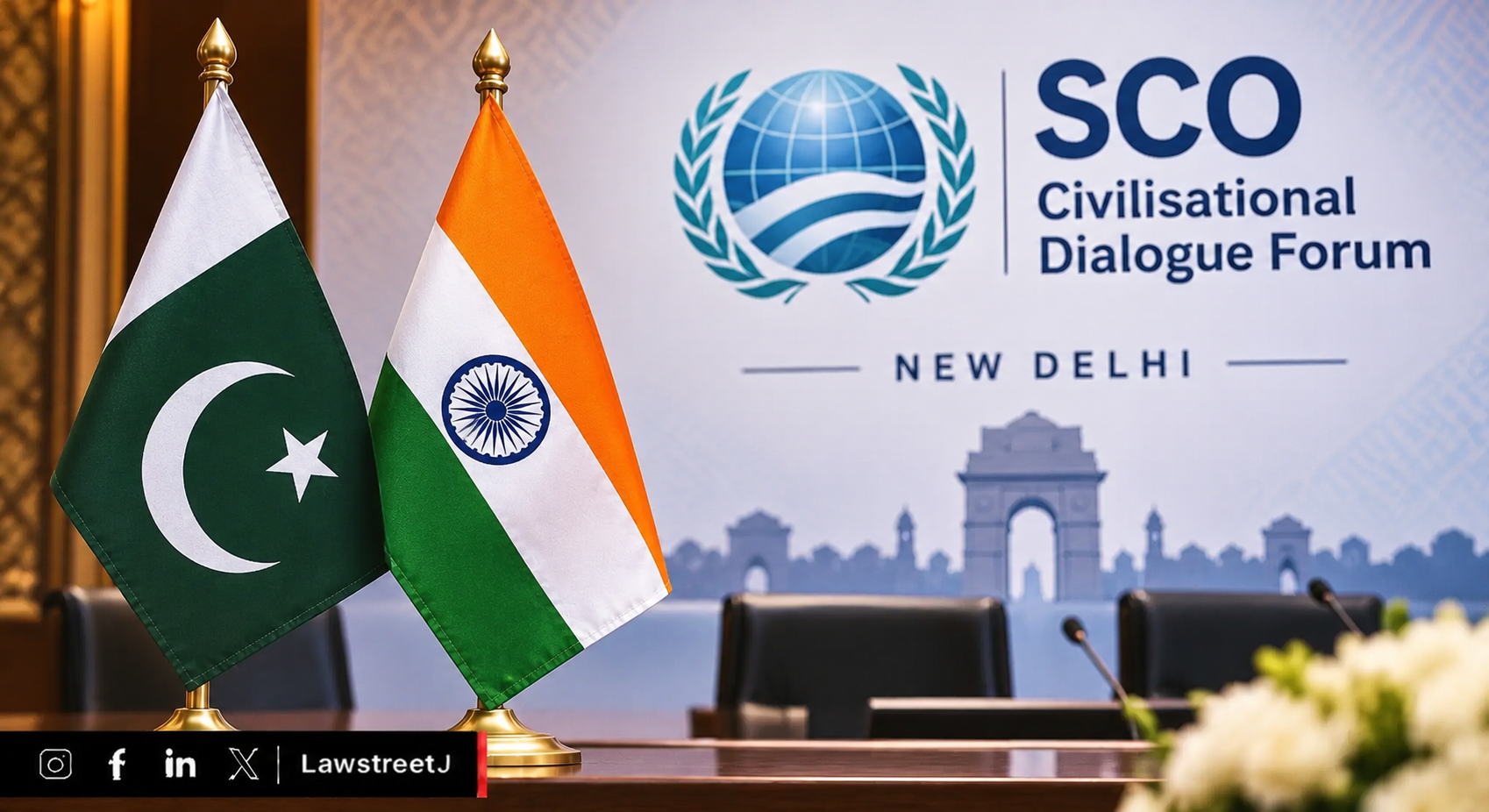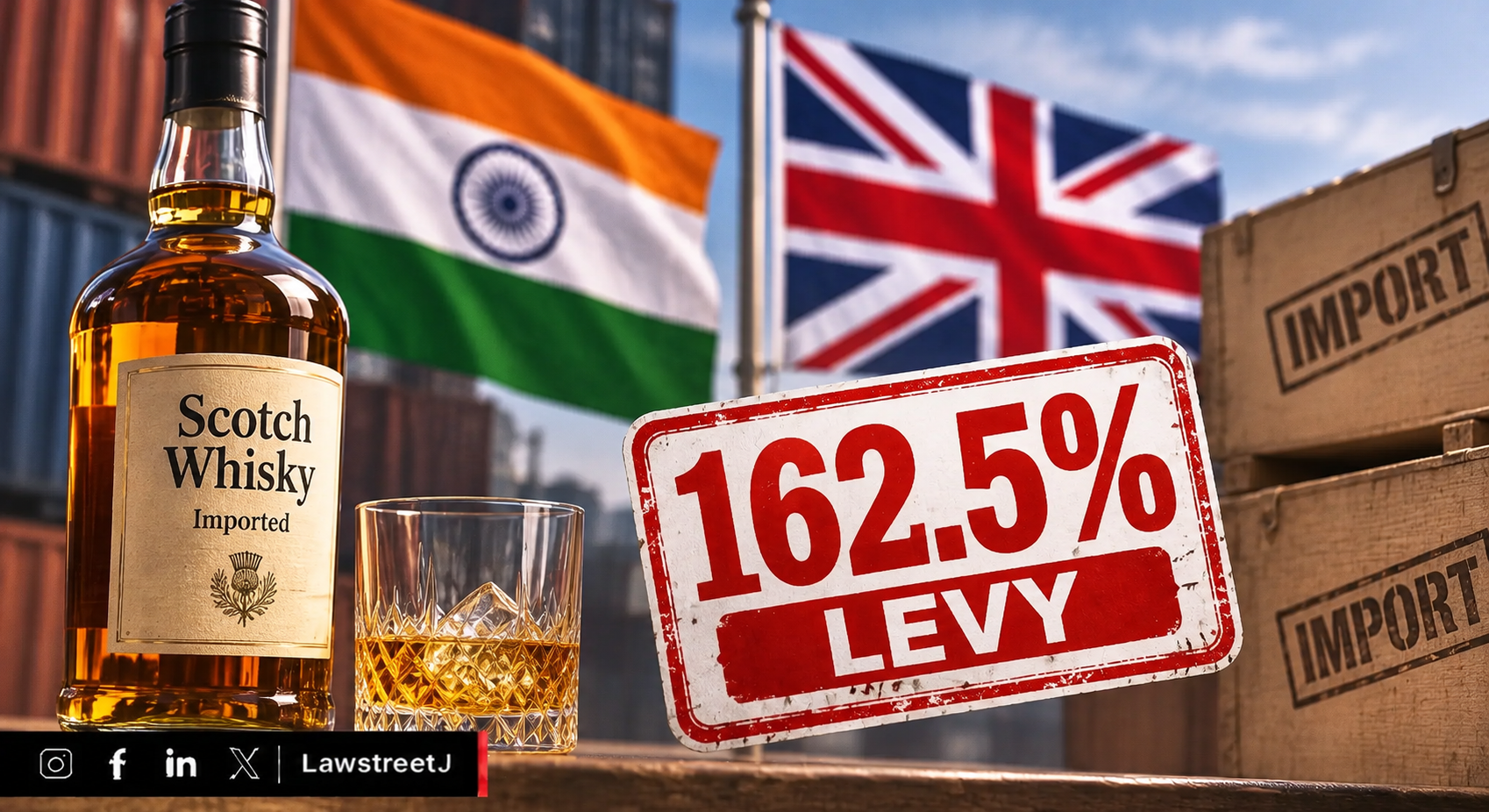
New Delhi — India is charging an effective duty and tax of 162.5 percent on bulk Scotch whisky imports from the United Kingdom, higher than the 150 percent that applied before the India-UK trade agreement took effect, in a dispute over customs classification that has left more than 80 shipping containers held at Indian ports, according to a Reuters report citing eight sources and a government document.
What the Dispute Is About
Indian customs investigators have argued that some companies are importing bulk Scotch under the wrong customs classification. The goods in question are bulk Scotch concentrates, deemed raw material used to make blended whiskies in India, rather than bottled whisky.
Imports classified this way attract a consumption tax on top of the customs duty, which takes the full charge to 162.5 percent, according to the government document and the sources. The India-UK agreement, which took effect on July 15, cut the tariff on Scotch whisky from 150 percent to 75 percent. Industry executives say the dispute concerns bulk concentrates rather than bottled Scotch, and that it should not be applied broadly to all whisky imports.
Companies including Pernod Ricard, which owns Chivas Brothers, and Diageo maintain that both bulk and bottled Scotch should attract the lower 75 percent rate under the agreement. The sources reviewed describe the matter as the first major public dispute linked to the pact.
Stranded Cargo and Temporary Clearance
More than 80 containers carrying thousands of litres of bulk Scotch belonging to Pernod Ricard, Diageo and Bacardi have been held at Indian ports. Pending the completion of the investigation, goods are being allowed temporary clearance if the importer pays 75 percent of the goods' value as duty, with the remaining amount secured through bank guarantees, according to sources.
Pernod and Diageo have moved to arrange bank guarantees and other funding to release their containers, while Bacardi is still deciding its next steps, according to three Reuters sources. Diageo declined to comment, and Pernod Ricard and Bacardi did not respond to Reuters.
The companies import Scotch in bulk to blend and bottle popular whisky brands for India's roughly $65 billion liquor market. An industry source said the sector had cut prices in anticipation of the trade agreement and is now facing higher duties again.
The UK government is engaging with India to resolve the issue, according to the report cited by Firstpost. The sources reviewed do not carry a statement from India's finance or commerce ministries.
Background
The India-UK trade agreement was finalised on May 6, 2025, after talks that began in 2022, and Scotch whisky was one of its headline gains for Britain, where it accounts for about 26 percent of food and drink exports, according to a policy newsletter summarising the agreement. Whisky exports from the UK to India were about $139 million before the agreement, facing a 150 percent tariff, according to the same source.
Import duties in India are levied under the Customs Act, 1962, and the Customs Tariff Act, 1975, with goods classified under tariff headings that follow the international Harmonised System. A trade agreement's tariff commitments apply to specific tariff lines, so a dispute over which line a product belongs in decides which rate applies, which is why a classification disagreement can undo a headline tariff cut.
The temporary clearance against bank guarantees is consistent with the provisional assessment mechanism in Section 18 of the Customs Act, under which goods can be released while duty is finally determined, with the importer providing security. Liquor excise is mainly a state subject, and the sources do not detail the composition of the consumption tax cited in the 162.5 percent figure. Trade agreements typically provide for consultations between governments to resolve disagreements over how their terms are applied, which is the process the UK government is reported to be pursuing.