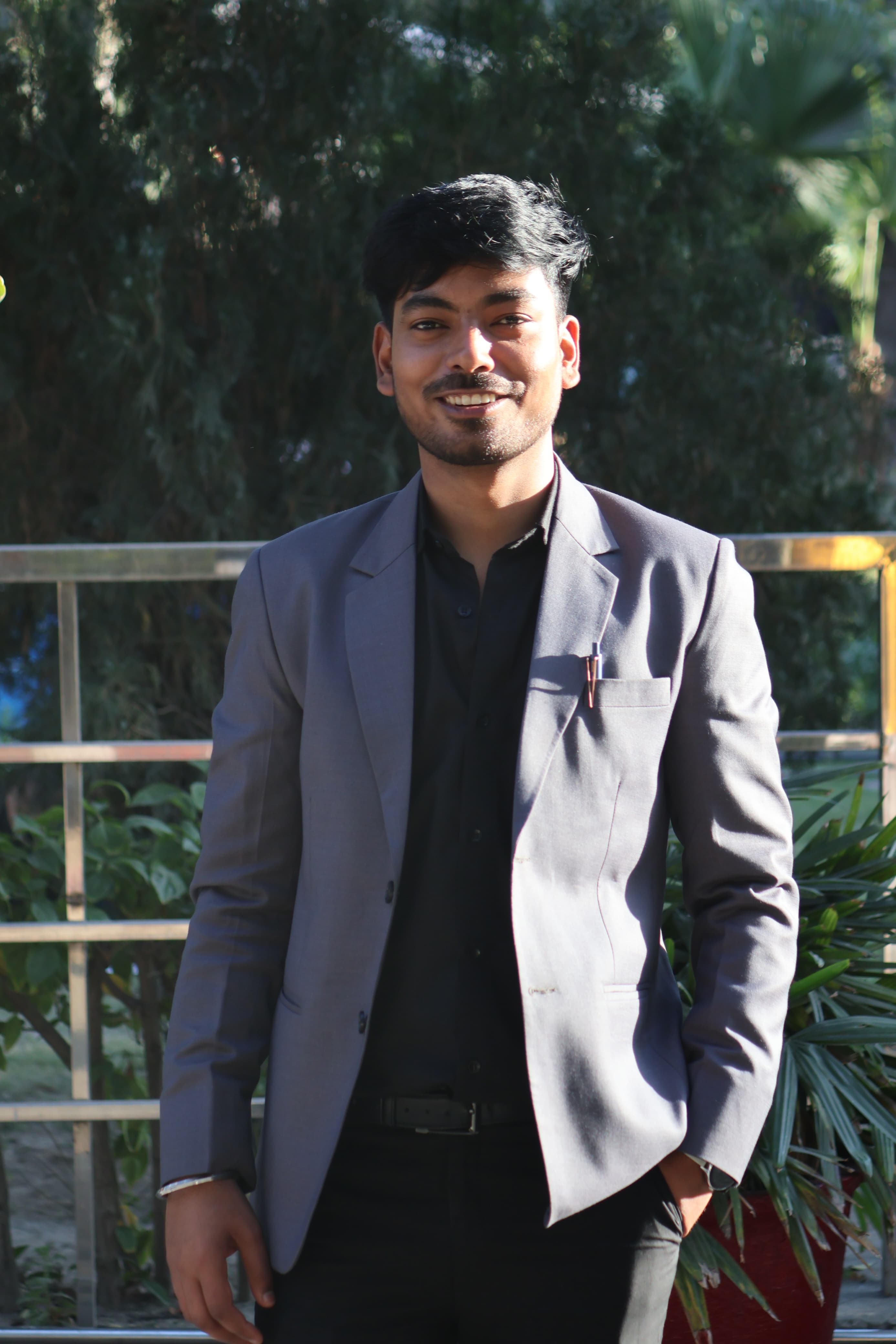


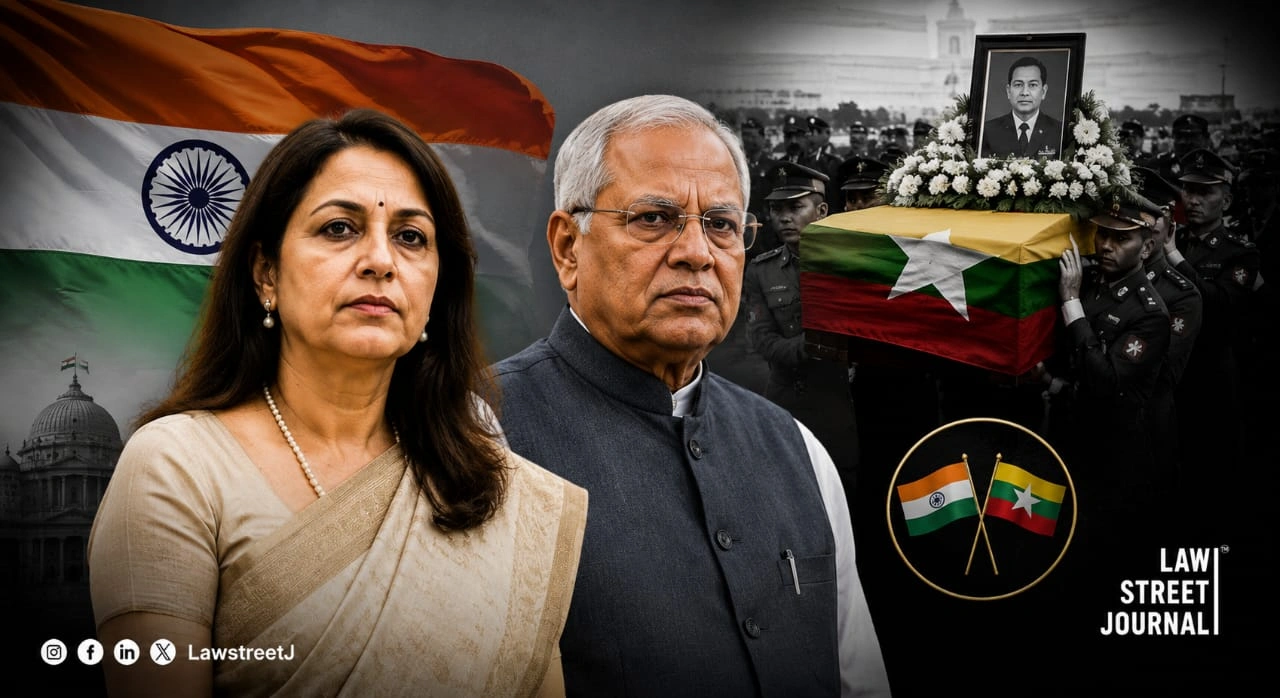
Bihar Governor Lieutenant General (Retd) Syed Ata Hasnain and Minister of State for External Affairs Pabitra Margherita will represent India at the funeral ceremony of Iran's former Supreme Leader Ayatollah Seyyed Ali Khamenei, who was killed in US-Israeli strikes on February 28, Iranian sources said.
The development comes days after Iranian President Masoud Pezeshkian formally invited Prime Minister Narendra Modi to attend the state funeral and burial ceremonies of Ayatollah Khamenei, diplomatic sources cited by PTI confirmed. New Delhi has not confirmed whether the Prime Minister will travel to Iran, and so far no official statement has been issued by the Indian government regarding the visit. The decision to send Margherita and Hasnain in Modi's place reflects India's intent to maintain meaningful diplomatic representation at one of the largest state funerals in modern history, while calibrating the level of engagement carefully given the complexity of its relationships across the region.
The Funeral: Scale, Schedule, and Significance
The funeral ceremonies will begin on July 4 and end with Khamenei's burial in Mashhad, the holy city in north-eastern Iran where he was born, on July 9.
According to Iranian authorities, Khamenei's body will lie in state at Tehran's Grand Mosalla complex on July 4 and July 5, allowing members of the public to pay their final respects. A state funeral procession is planned for July 6, with authorities declaring public holidays across Tehran province during the official mourning period.
A tribute ceremony is planned in Qom on July 7, while Ayatollah Khamenei is scheduled to be buried at the revered Imam Reza shrine in Mashhad on July 9. Neighbouring Iraq will also host memorial events on July 8 in the holy cities of Najaf and Karbala as part of the regional mourning observances.
Processions are expected in Tehran and the holy city of Qom, while prayer services will also take place in the Iraqi cities of Najaf and Karbala.
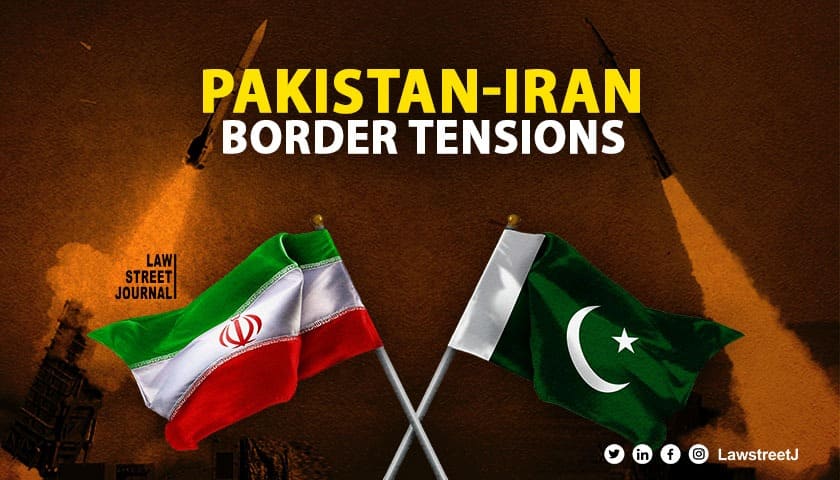
The funeral is expected to draw nearly 20 million mourners across Tehran, Mashhad, and Qom. Pakistani officials, including Prime Minister Shehbaz Sharif, are also expected to attend. If those estimates are met, the gathering could be larger than the nearly 10 million people reported to have attended the funeral of Ayatollah Ruhollah Khomeini, the founder of the Islamic Republic of Iran, in 1989.
Who Khamenei Was and How He Died
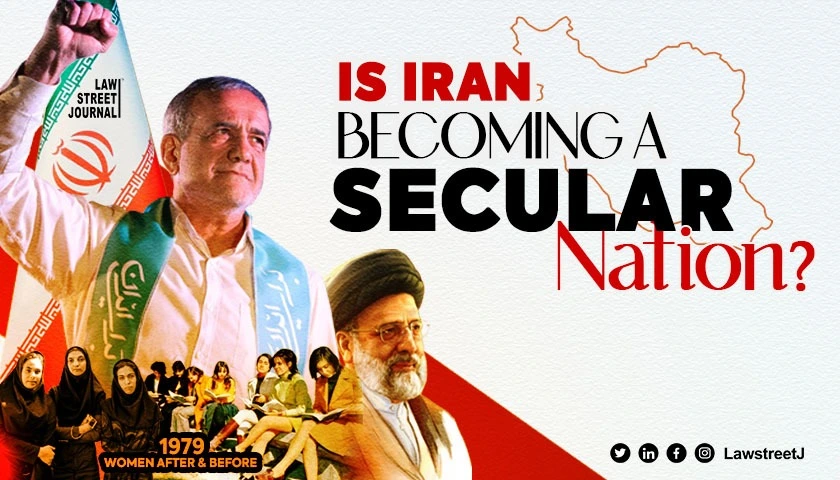
Ayatollah Ali Khamenei, who led Iran for more than three decades, was killed on February 28 during large-scale US and Israeli air strikes on Tehran. He had served as Supreme Leader of the Islamic Republic since 1989, following the death of Ayatollah Ruhollah Khomeini. His tenure of over three decades made him one of the longest-serving and most influential figures in the modern history of the Middle East, overseeing Iran through periods of war, sanctions, internal unrest, and complex negotiations with the international community over the country's nuclear programme.
The date of his funeral had remained uncertain since his assassination in February. Under Islamic law, the dead are usually buried as soon as possible, ideally within a day of death, although exceptions can be made during war. Early reports had suggested that Khamenei could be buried by the end of June, before Iranian state media confirmed the July schedule.
Following his death, his 56-year-old son Mojtaba Hosseini Khamenei assumed the role of Iran's Supreme Leader on March 8. However, his health has remained the subject of speculation after some senior US officials claimed that he is in a coma. Iran has not officially confirmed these claims.
India's Diplomatic Calculus
India's decision to send Lt Gen Syed Ata Hasnain and Pabitra Margherita reflects its diplomatic engagement with Iran while maintaining official representation at the high-profile state event. The visit comes at a time when New Delhi continues to balance its strategic ties across the Middle East amid heightened regional tensions following the conflict involving Iran, Israel, and the United States.
The choice of representatives carries its own diplomatic signal. Pabitra Margherita is a junior minister in the Ministry of External Affairs, a rank that conveys respect and official acknowledgment without implying the kind of personal endorsement that a prime ministerial visit would communicate. Lieutenant General Syed Ata Hasnain, as Bihar Governor, adds institutional weight and brings a military background that may carry particular resonance in Tehran, where the Islamic Revolutionary Guard Corps and the broader armed forces occupy a central place in the state's identity.
Iran and the United States have agreed to move forward with a peace process after months of conflict. Both sides have signed a 14-point memorandum of understanding aimed at ending hostilities in the region and opening a 60-day dialogue window for technical talks, including discussions over the Strait of Hormuz and Iran's nuclear programme. Negotiations are continuing in Switzerland.
India's position throughout the US-Iran conflict has reflected its longstanding policy of strategic autonomy. New Delhi maintained ties with Tehran throughout the period of sanctions and the conflict, continuing to purchase Iranian oil under waiver arrangements and maintaining consular and diplomatic relations even as Western nations imposed sweeping restrictions on engagement with the Iranian government. The decision to send a delegation to Khamenei's funeral, rather than staying away as several Western governments are expected to do, is consistent with that established posture.
India had earlier expressed condolences following Khamenei's death. The dispatch of a formal delegation to the state funeral represents the next step in that diplomatic response, one calibrated to maintain the relationship with Tehran, acknowledge the significance of the occasion, and avoid the complications that a prime ministerial visit would introduce at a moment when India is also managing its partnership with the United States through a period of unusual strain.