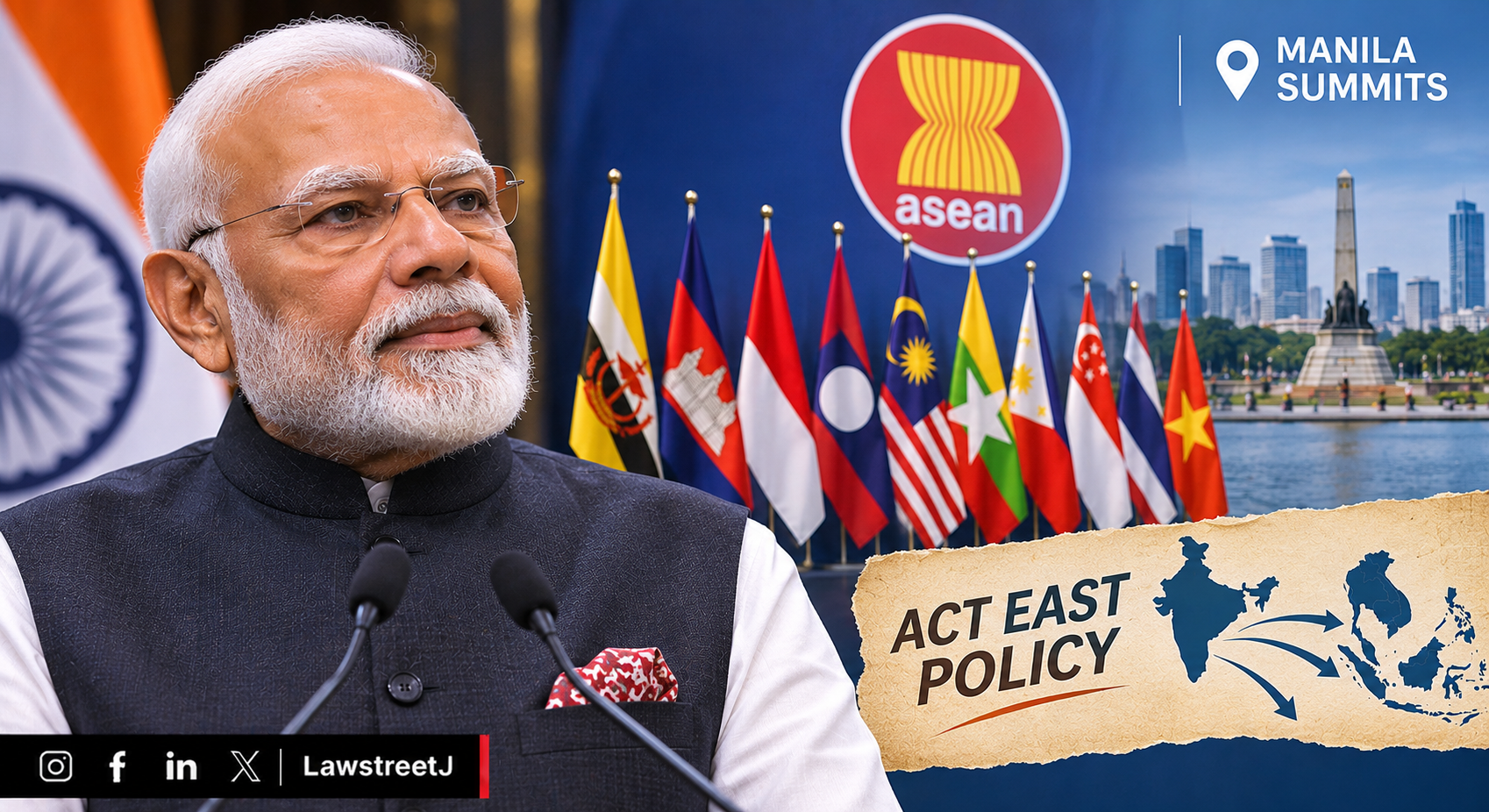
MANILA: Southeast Asian leaders have renewed pressure on Myanmar’s military-backed government, condemning continued violence against civilians and deciding to maintain restrictions on the country’s political representation at high-level ASEAN meetings until meaningful progress is made on the bloc’s peace plan.
The decision was announced on November 15 during the 49th Association of Southeast Asian Nations (ASEAN) Summit in Manila, where leaders reviewed Myanmar’s implementation of the Five-Point Consensus (5PC), adopted in April 2021 following the military coup that ousted the elected government of Aung San Suu Kyi. ASEAN leaders expressed deep concern over the lack of substantive progress and denounced violence against civilians and public facilities. They called on all parties, particularly the armed forces, security forces and armed groups, to halt indiscriminate attacks, exercise restraint and create conditions for humanitarian assistance and inclusive political dialogue.
The bloc also maintained its policy of allowing Myanmar to be represented at ASEAN summits and foreign ministers’ meetings only by non-political representatives, rather than senior political leaders, until meaningful progress is achieved. The decision keeps Myanmar’s military-backed leadership, including its top representatives, excluded from the bloc’s highest-level political gatherings. Myanmar remains an ASEAN member, but its participation in these meetings continues to be restricted.
ASEAN Says Five-Point Consensus Remains the Main Framework
The Five-Point Consensus was agreed upon by ASEAN leaders in April 2021, shortly after Myanmar’s military seized power from Aung San Suu Kyi’s elected government on February 1 that year. The takeover triggered widespread protests, a violent crackdown and an armed conflict that has since developed into a nationwide civil war.
The five-point plan calls for:
- An immediate cessation of violence.
- Constructive dialogue among all parties.
- Mediation by an ASEAN-appointed special envoy.
- Humanitarian assistance through ASEAN mechanisms.
- A visit by the special envoy to Myanmar to meet all concerned parties.
The plan was intended to create a diplomatic route towards de-escalation and a political settlement. However, ASEAN has repeatedly expressed frustration over the limited progress in implementing it.
In its November 15 decision, the bloc again urged all parties to stop attacks on civilians and civilian infrastructure, protect the population and allow humanitarian assistance to reach people in need. It reaffirmed that Myanmar remains an integral part of ASEAN and said the organisation would continue working towards a peaceful and durable solution.
The leaders also acknowledged the work of Philippine Foreign Secretary Ma. Theresa P. Lazaro, the ASEAN Chair’s Special Envoy on Myanmar. Her visits to Naypyidaw in January and October 2026 were noted, along with an ASEAN humanitarian monitoring mission conducted in October. According to the official decision, the humanitarian effort included support for more than 11,000 households, with assistance reaching four additional priority townships. ASEAN also welcomed Myanmar’s stated openness to expanding humanitarian access.
The bloc said its engagement with Myanmar would be calibrated according to developments on the ground, with the objective of encouraging concrete progress on the peace plan.
Political Representation Remains Restricted Despite Calls for Engagement
The decision comes amid differences among ASEAN members over how to deal with Myanmar’s military-backed leadership.
Some member states have advocated greater engagement, including discussions about allowing Myanmar’s foreign minister to attend certain regional meetings. Thailand had pushed for reconsideration of the restrictions, while other members have supported maintaining pressure until the military authorities demonstrate progress on the peace plan. Before the summit, Philippine Foreign Secretary Theresa Lazaro said ASEAN was not easing its approach and that the Five-Point Consensus remained the bloc’s principal framework. She indicated that proposals concerning Myanmar’s participation were still under discussion.
The final decision maintained the existing restrictions but also introduced a pathway towards possible political reintegration through a phased, progress-based approach. ASEAN said any restoration of full political representation would depend on sustained and concrete progress in implementing the consensus.
For now, Myanmar can send lower-level career diplomats to represent it at ASEAN summits and foreign ministers’ meetings. Its senior political leadership remains excluded from these gatherings.
Myanmar Crisis Continues to Challenge ASEAN Unity
Myanmar’s conflict remains one of the most difficult challenges facing ASEAN. Since the 2021 coup, resistance groups and ethnic armed organisations have fought the military, while civilians have faced displacement, insecurity and restrictions on humanitarian access. The conflict has also complicated ASEAN’s principle of consensus-based decision-making. Member states have differed over whether diplomatic engagement or continued restrictions are more likely to encourage progress.
Myanmar was originally scheduled to hold ASEAN’s rotating chairmanship in 2026. However, the responsibility was transferred to the Philippines because of the ongoing political and security crisis.
The November 15 decision reflects an attempt to maintain pressure on Myanmar’s leadership while keeping diplomatic channels open. ASEAN has reiterated that the country remains part of the regional grouping and that a peaceful, inclusive political settlement remains the objective. The continued exclusion of senior Myanmar representatives signals that the bloc is not yet satisfied with the implementation of its peace plan. Whether the phased approach can produce meaningful changes on the ground will remain a major test for ASEAN’s regional diplomacy.