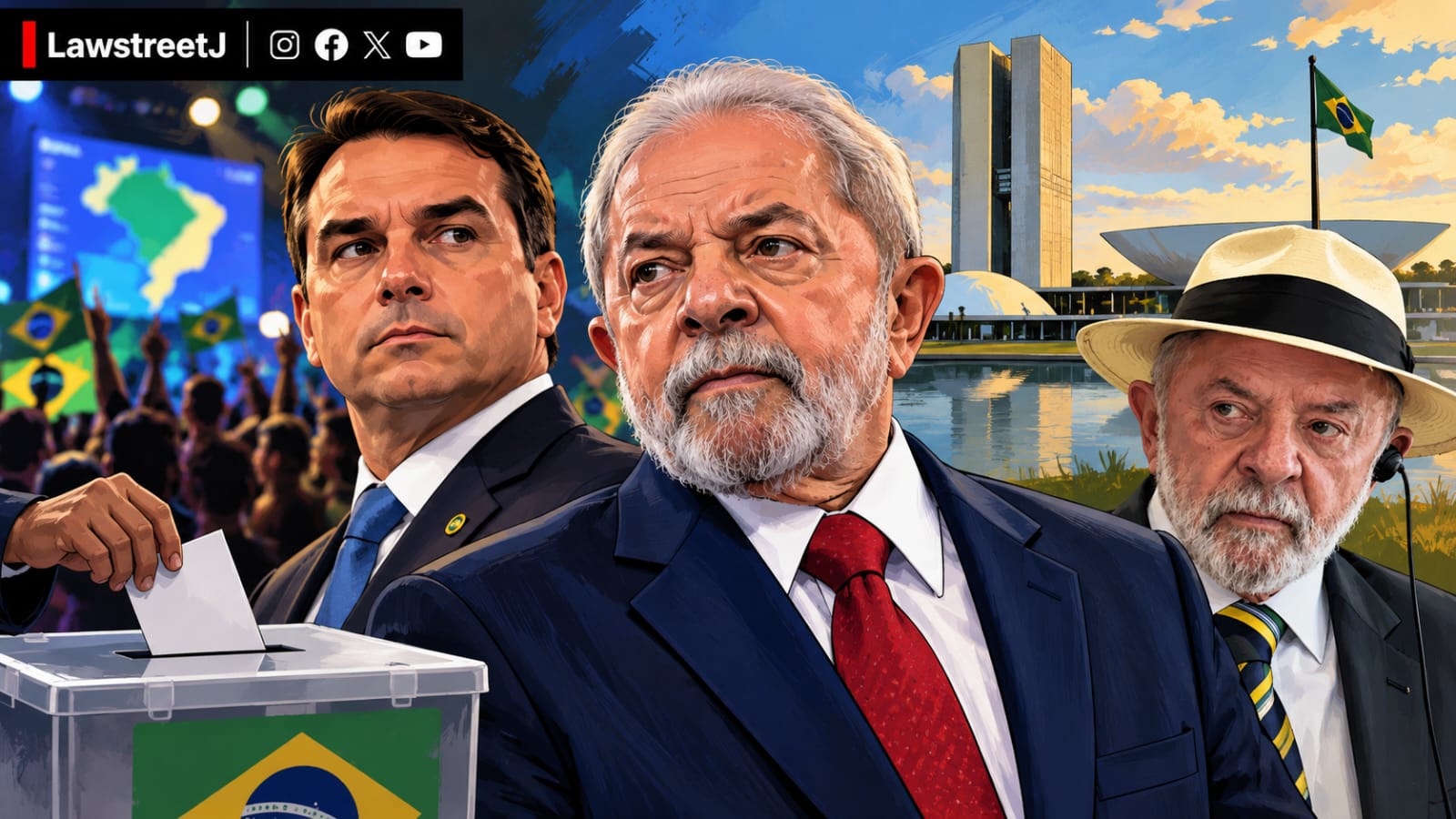
Brasília — Brazilian President Luiz Inácio Lula da Silva won a historic fourth, non-consecutive presidential term on Sunday, October 25, 2026, defeating right-wing Senator Flávio Bolsonaro, son of imprisoned former President Jair Bolsonaro, in a closely contested runoff election. The 80-year-old Lula secured just over 51 percent of the vote to Bolsonaro's roughly 48 to 49 percent, completing a political comeback after trailing in the first round of voting three weeks earlier.
The Results
According to Brazil's Superior Electoral Court, Lula won the October 25 runoff with more than 51 percent of the vote against Flávio Bolsonaro's approximately 48 percent, in a result that remained uncertain until the final count, with the two candidates having been virtually tied in pre-election polling. The result marked a significant reversal from the first round of voting on October 4, in which Bolsonaro had outperformed expectations and led Lula.
In his victory speech in São Paulo, Lula said the election represented "a defeat for denialism" and stated he had to "overcome interference coming from the outside" during the campaign. In a pointed message aimed at the United States, Lula declared that Brazil would not accept being treated as "anyone's backyard."
Bolsonaro, in remarks to supporters in Brasília, said he would not accept the results and indicated he intended to mount a legal challenge, stating: "It is impossible to recognize the election result given how these events unfolded."
Background: How Lula Engineered the Comeback
Lula, a former two-term president (2003-2010) and veteran of Brazil's Workers' Party, had announced in October 2025 that he would seek a fourth, non-consecutive term in 2026, having earlier suggested his 2022 campaign, in which he narrowly defeated Jair Bolsonaro, would be his last. Lula's current term, his third, saw mixed public approval, with roughly half of voters disapproving of his administration heading into the 2026 campaign, even as he consistently led most pre-election polls.
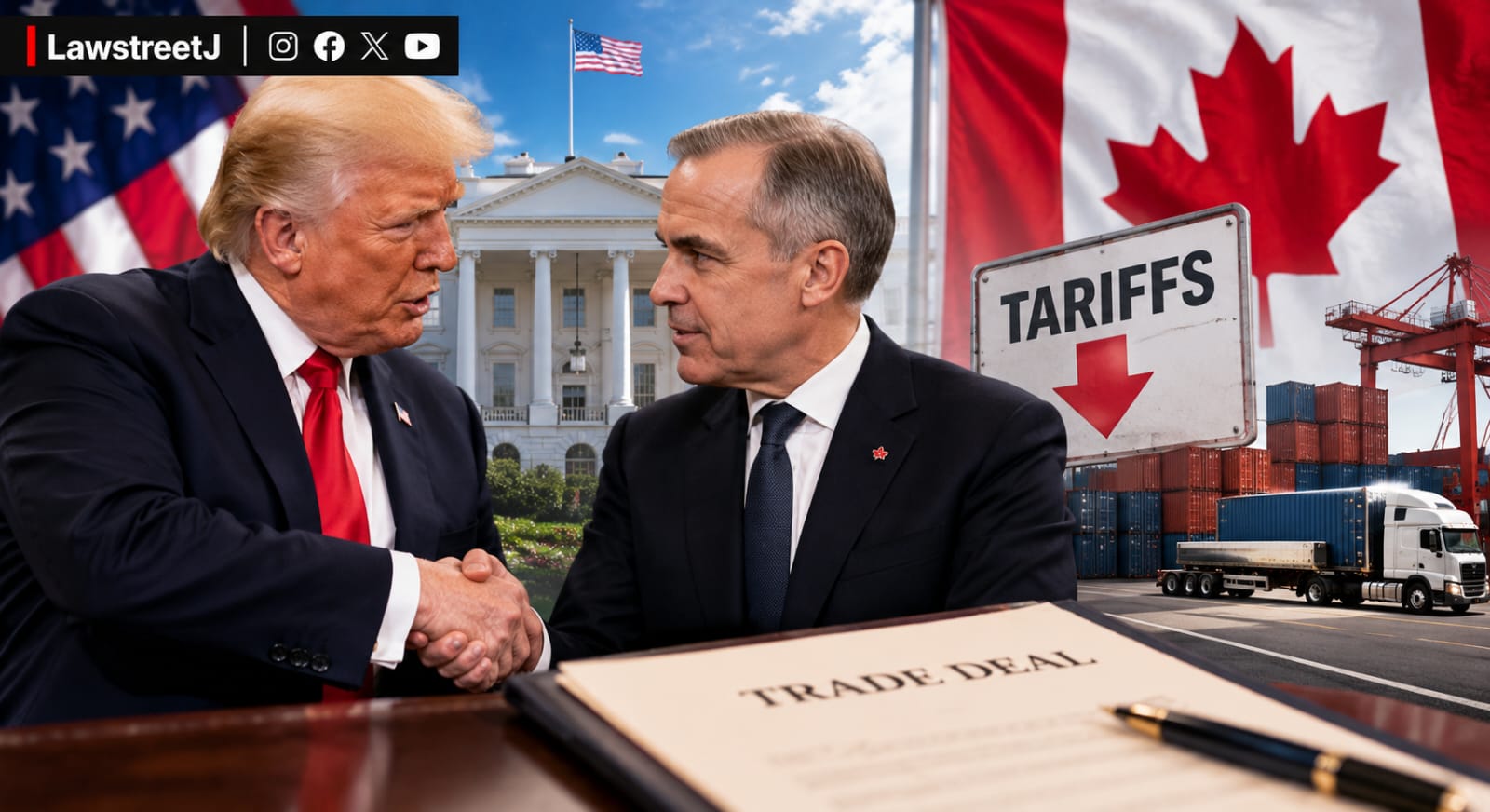
Flávio Bolsonaro, a 45-year-old senator and son of the imprisoned Jair Bolsonaro, emerged as the right's standard-bearer after his father, who is serving a 27-year sentence under house arrest for attempting a coup following his 2022 election loss to Lula, was barred from running again. The elder Bolsonaro's coup-related prosecution had itself become a flashpoint in US-Brazil relations ahead of the election, with US President Donald Trump imposing a 25 percent trade tariff on Brazilian goods in July 2026 following a meeting with Bolsonaro-aligned figures, a move a Datafolha poll found more than half of Brazilian voters believed was intended to influence the election against Lula.
The Meta Controversy
A significant element of the campaign's final weeks involved allegations by Lula's campaign that Meta, the parent company of Facebook, Instagram and WhatsApp, was algorithmically suppressing his content while favouring Bolsonaro's. Lula's campaign first raised the allegations publicly on October 11, 2026, after reporting that his posts had experienced reduced visibility and that campaign ads had been temporarily blocked from running on Facebook. Brazil's Superior Electoral Court (TSE) initially gave Meta 48 hours, and later 24 hours, to clarify whether it had reduced the reach of Lula's campaign content.
The dispute escalated when Brazilian newspaper Folha de S.Paulo reported that internal Meta communications, reviewed by the outlet, acknowledged that Lula's Instagram account had been negatively affected by platform restrictions, while the platform had separately recommended Bolsonaro's profile and WhatsApp channel to users. Lula's campaign separately alleged that Meta's WhatsApp-integrated "Meta AI" tool would generate promotional images for Bolsonaro but not for Lula.
TSE Justice Marco Aurélio Bellizze subsequently ruled that Meta could not reduce the distribution of political content, restrict searches, or remove posts in a manner that created an imbalance between the two candidates, and ordered the company to pay a fine of 500,000 reais (approximately $98,700) per day for non-compliance. Meta consistently denied favouring either side, stating that "any suggestion that Meta favors one side is false" and that some technical issues affecting Lula's content were not isolated to Brazil or to specific accounts.
Legal and Institutional Context
Brazil's presidential term limits, set out in its 1988 Constitution, restrict presidents to two consecutive terms but do not bar non-consecutive re-election, the provision under which Lula's current, non-consecutive fourth term is constitutionally permissible, having already served two consecutive terms from 2003 to 2010 and a third, separate term beginning in 2023. Electoral disputes in Brazil, including the Meta-related complaint, are adjudicated by the Tribunal Superior Eleitoral (TSE), Brazil's highest electoral court, which holds authority to regulate campaign conduct on digital platforms under Brazil's electoral legislation and to impose financial penalties for non-compliance with its orders, as reflected in the fine issued against Meta during the campaign's final weeks.
Jair Bolsonaro's ongoing 27-year sentence, served under house arrest, stems from his conviction in connection with an alleged attempt to overturn the result of the 2022 election, a prosecution that proceeded through Brazil's Supreme Federal Court and which remained a significant undercurrent throughout his son's 2026 campaign.