GENEVA - Saima Wazed, the daughter of ousted Bangladeshi Prime Minister Sheikh Hasina, resigned as the World Health Organization's Southeast Asia regional director on Wednesday, September 9, 2026, bringing an early end to her five-year term amid ongoing fraud investigations by both the UN health agency and Bangladeshi authorities. Her resignation came just one day after a WHO regional committee had already recommended that her appointment be formally terminated, meaning she stepped down only hours before what appeared to be an all-but-certain removal from office.
What Happened: The Resignation
According to her resignation letter, seen by Reuters and addressed to WHO Director-General Tedros Adhanom Ghebreyesus, Wazed said she had "lost all trust and confidence" in the organisation's leadership, stating she had been prevented from effectively carrying out her responsibilities as regional director throughout the ordeal. She also cited financial hardship as a significant factor in her decision, noting that nearly a year spent on unpaid administrative leave had made her financial situation increasingly untenable, a detail that speaks to just how long the standoff between Wazed and the WHO had already dragged on before she finally chose to step aside. Her resignation took effect immediately upon submission, closing the door on any further formal proceedings against her within the organisation.
The timing of the resignation is particularly notable when examined closely. A WHO spokesperson confirmed that on September 8, 2026, the 79th Regional Committee meeting of WHO's South-East Asia Regional Office, known by its acronym SEARO, had recommended that Wazed's appointment as regional director be terminated outright, with that recommendation due to be formally considered next by the WHO's Executive Board, the organisation's governing body responsible for such high-level personnel decisions.
The discussion reportedly took place behind closed doors with little public fanfare during the regional committee's proceedings, a discretion that stood in contrast to the considerable public attention the case had already drawn given Wazed's high-profile family background. Wazed's resignation the following day effectively pre-empted the formal termination process that had already been set firmly in motion against her, allowing her to frame her departure as a resignation rather than a dismissal, even though the practical outcome for her tenure was ultimately the same.
The Fraud Allegations Behind Her Removal
Wazed had taken office as WHO's Regional Director for South-East Asia on February 1, 2024, for what was meant to be a full five-year term, placing her in charge of the organisation's regional health work across 11 member countries representing more than two billion people, including both Bangladesh and India among the nations under her jurisdiction. It was, by any measure, one of the more consequential regional health leadership positions within the entire United Nations system, overseeing responses to disease outbreaks, health emergencies, and the adaptation of WHO's global health policies to local conditions across an enormous and diverse swath of Asia.
Her tenure was disrupted just over a year into the job, in July 2025, when the WHO placed her on unpaid administrative leave following charges filed against her in March that year by Bangladesh's Anti-Corruption Commission, operating under the interim government that had replaced her mother's administration, alleging fraud and forgery on her part. According to a letter from Wazed's own lawyers to the WHO dated July 3, 2026, the WHO itself had gone on to formally accuse her of committing financial fraud in relation to her travel to China during her time in office, as well as misrepresenting her academic credentials when she originally applied for the position.
The specific allegation regarding her credentials, according to detailed reporting from Health Policy Watch, centred on claims that she had misrepresented an honorary doctorate as a genuine academic qualification during her original candidacy for the regional director's position back in 2023, a claim that, if substantiated, would strike directly at the legitimacy of her original appointment rather than merely her conduct once in office.
The WHO separately alleged that she had illegally acquired a plot of land in Bangladesh during the period under scrutiny, adding a further dimension to the case beyond the travel and credentials allegations alone. Throughout this extended process, Wazed has consistently and firmly denied all of the allegations made against her, maintaining that she was fully qualified for the position she held and rejecting the accusations of wrongdoing at every stage of the investigation.
The Political Backdrop: Fallout From Sheikh Hasina's Ouster
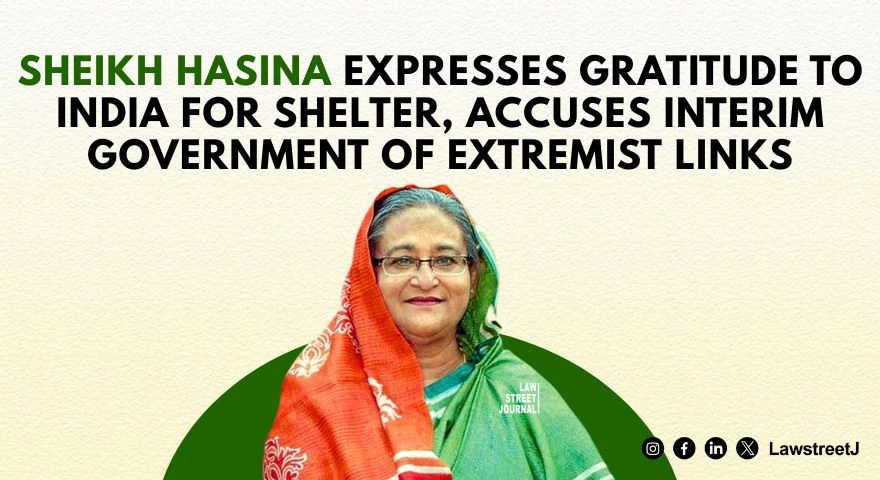
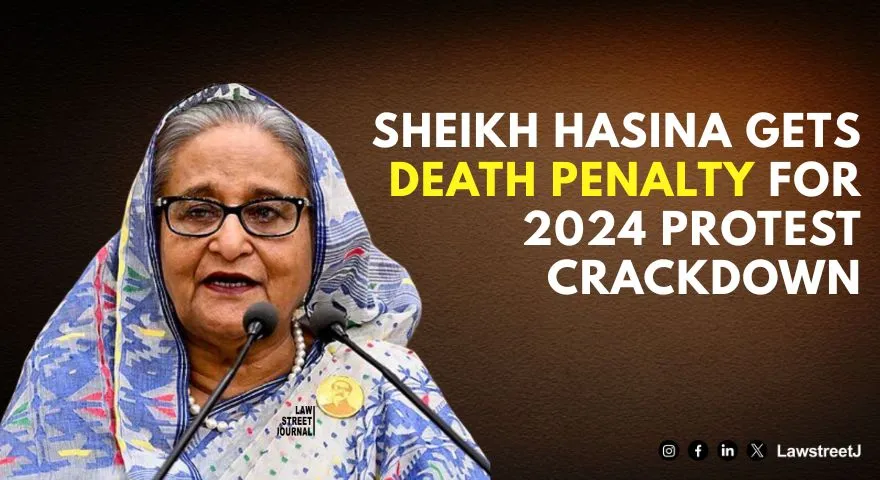
Wazed's case cannot be fully separated from the broader political upheaval that reshaped Bangladesh's leadership in the period leading up to these allegations, and understanding that context is essential to understanding why her case became so prominent. Her mother, Sheikh Hasina, was ousted as Bangladesh's Prime Minister in 2024 following a major and deadly political uprising against her government, an event that fundamentally altered the country's political landscape. In the aftermath, Bangladesh's interim authorities began pursuing corruption-related investigations involving numerous members of Hasina's family and former administration, with many of her political allies now facing criminal charges, including for alleged corruption, while others, like Hasina herself, continue to live in self-imposed exile rather than face proceedings at home.
Wazed's appointment to the WHO regional director position had already attracted considerable scrutiny at the time of her original candidacy, largely because of her political background as Hasina's daughter, well before any of the specific fraud allegations against her formally surfaced through official channels. According to sources familiar with the matter cited by Health Policy Watch, the eventual push to terminate her position came after many months of sustained diplomatic pressure from Bangladesh's new government directed specifically at WHO Director-General Tedros Adhanom Ghebreyesus, urging him to investigate and ultimately remove her from the role.
This illustrates how the political fallout from Hasina's removal extended well beyond Bangladesh's own domestic institutions and courts, reaching into an international body headquartered entirely outside the country and typically insulated from this kind of direct national political pressure. Notably, some sources close to the matter also suggested that Wazed may have continued receiving at least part of her salary during her extended period of leave, a claim that could not be independently confirmed by reporters and remains an unresolved detail in an otherwise fairly well-documented case.
What Happens Next at WHO's Southeast Asia Office
With Wazed's resignation now finalised, the WHO has moved fairly quickly to outline a concrete timeline for electing her permanent replacement, suggesting the organisation was already prepared for this outcome well before it was formally announced. According to sources cited by Reuters, nominations for the regional director role could begin as early as October 12, 2026, with candidates then undergoing a formal vetting process throughout December, followed by an election scheduled for January 24, 2027. Regional directors at the WHO are elected every five years by the member states within their respective regions, meaning the countries of the South-East Asia region, including both Bangladesh and India, will play a direct role in selecting whoever ultimately succeeds Wazed in the position.
In the interim period before that election takes place, the WHO confirmed that Dr Nilesh Buddha would continue serving as officer-in-charge of the South-East Asia Regional Office, ensuring continuity of leadership for the organisation's regional operations across its 11 member countries pending the appointment of a new, permanently elected regional director.
The WHO has generally avoided extensive public comment on the specifics of Wazed's case throughout this entire process, having previously indicated it was maintaining confidentiality around the matter even as considerable detail continued to emerge through investigative reporting based on internal correspondence and statements from sources familiar with the proceedings. For now, Wazed's departure marks both a significant leadership change at one of WHO's key regional offices and another chapter in the continuing fallout from her mother's removal from power in Bangladesh, a story that has already reshaped the fortunes of numerous figures connected to the former Bangladeshi government well beyond the country's own borders, and one that appears set to continue unfolding as Bangladesh's political reckoning with its recent past proceeds.
.jpeg)