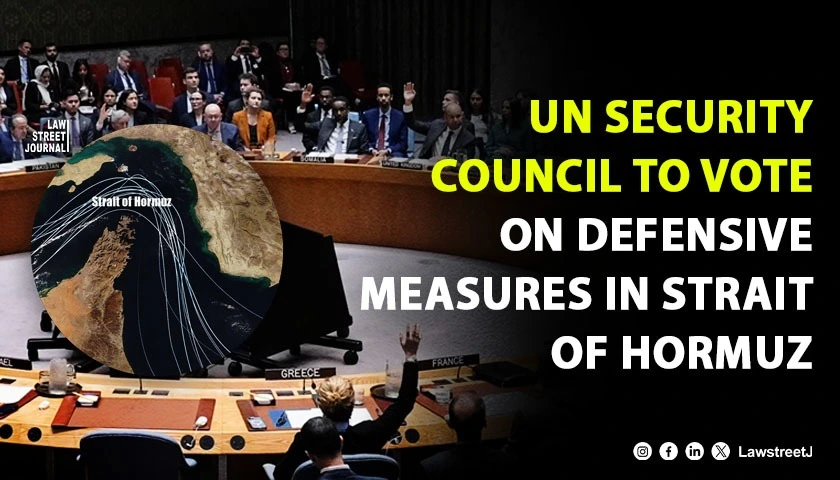
United Nations: The Strait of Hormuz, located between Oman and Iran, is one of the world’s most vital maritime chokepoints. Approximately 20% of global oil trade passes through this narrow waterway, making it indispensable for international energy security. In recent weeks, Iran has largely blocked passage, citing regional tensions and its ongoing conflict with Israel and the United States.
This disruption has already caused volatility in global oil prices and raised concerns about supply chain stability. The blockade has also heightened risks for commercial shipping, with reports of vessels being delayed or rerouted. The situation has drawn urgent attention from the international community, given the potential economic and humanitarian consequences of prolonged obstruction.
Legal Language and Diplomatic Compromises
The resolution, drafted by Bahrain and backed by several Western nations, initially proposed authorizing countries “to use all necessary means”—a phrase in UN legal terminology that includes possible military action. However, after strong objections from Russia, China, and France, the language was revised to limit authorization strictly to “defensive means.”
Defensive vs. Offensive Action
- Defensive means allow member states to protect vessels and ensure safe passage without initiating offensive military operations.
- The resolution explicitly excludes authorization for offensive strikes, reflecting concerns about escalation in an already volatile region.
The resolution is grounded in Article 51 of the UN Charter, which recognizes the inherent right of self-defense. By restricting measures to defensive actions, the draft seeks to balance the need for maritime security with international law’s prohibition on unilateral military aggression.
The dilution of the resolution underscores the difficulty of achieving consensus within the 15-member Security Council, where veto powers often shape outcomes. Russia and China argued that broader authorization could trigger direct confrontation with Iran, while Western states emphasized the urgency of reopening the strait for global commerce.
Regional and Global Implications
The vote comes amid the escalating Iran-Israel conflict, with Iran warning of “crushing” retaliation against any perceived provocation. The United States and Israel have conducted strikes on Iranian infrastructure, further complicating the security environment.
- Economic Impact:
Oil markets remain highly sensitive to developments in the Strait of Hormuz. Prolonged disruption could lead to significant price spikes, affecting economies worldwide, particularly energy-importing nations. - Legal and Humanitarian Concerns:
The resolution’s emphasis on defensive measures reflects attempts to minimize civilian harm and uphold international humanitarian law. However, shipping companies and insurers remain cautious, citing risks of miscalculation in a tense maritime environment. - Next Steps:
The Security Council vote, scheduled for April 3, 2026, at 11 a.m. EDT, will determine whether the resolution passes. If adopted, member states would be authorized to deploy naval assets to escort and protect vessels, but not to engage in offensive military operations against Iran.
The upcoming UN vote represents a pivotal moment in balancing international law, maritime security, and geopolitical tensions. While the resolution stops short of authorizing offensive force, its adoption would mark a significant step toward reopening the Strait of Hormuz and safeguarding global trade. The outcome will depend on whether the Security Council can reconcile divergent positions among its permanent members, with the world watching closely given the strait’s central role in energy and commerce.

.webp)