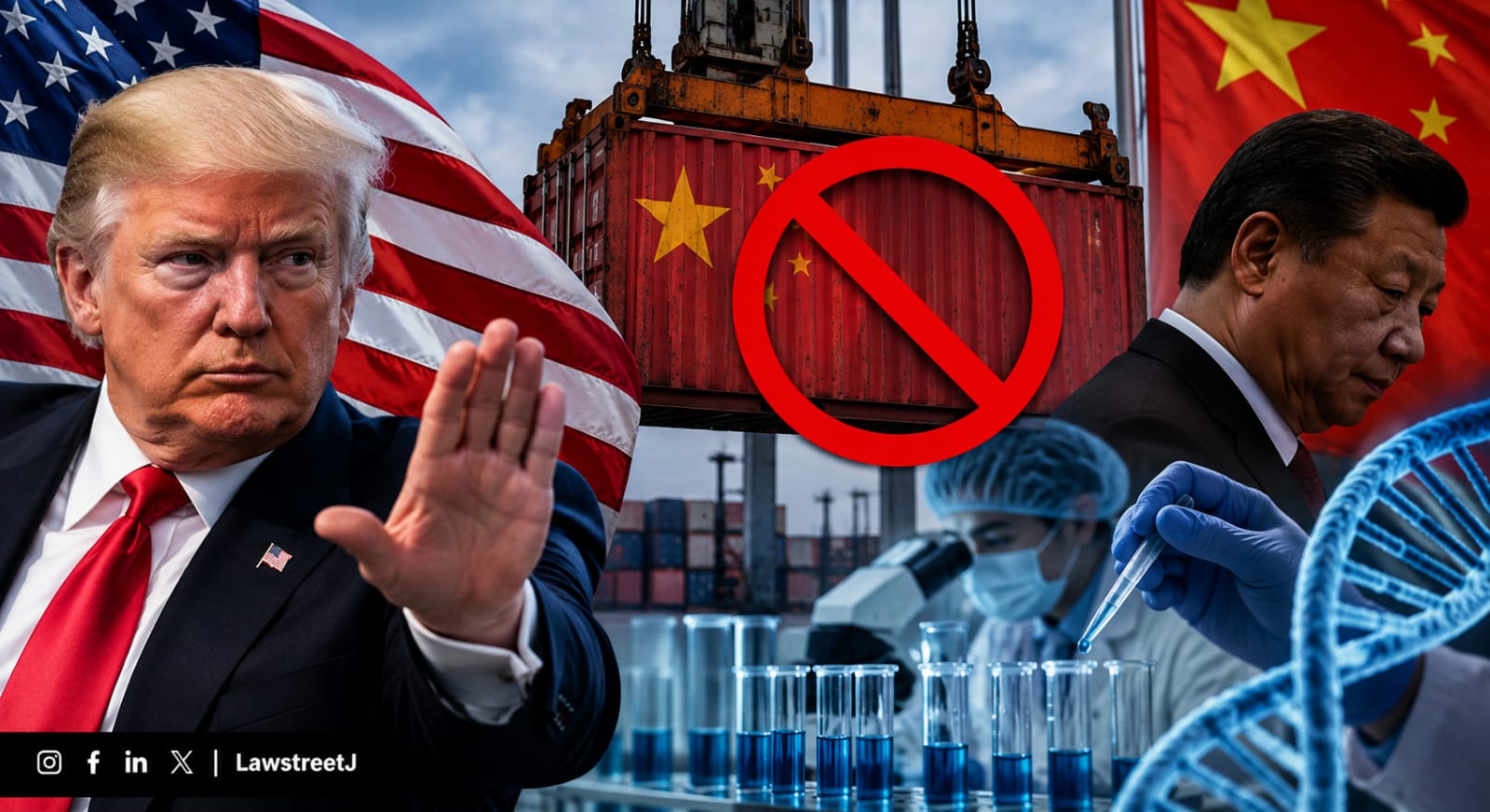
WASHINGTON: The United States has imposed import restrictions on three Chinese biotechnology companies over allegations of links to forced labour involving Uyghurs and other ethnic minorities in China's Xinjiang region. The Department of Homeland Security (DHS) announced on October 28 that BGI Genomics, MGI Tech and Shenzhen BGI Technology, also known as BGI Group, had been added to the Uyghur Forced Labor Prevention Act (UFLPA) Entity List. The restrictions took effect on October 29.
The decision directs US Customs and Border Protection (CBP) to block covered goods associated with the listed companies from entering the American market unless importers meet the legal requirements to rebut the presumption that the goods were produced using forced labour.
DHS said the companies had supported genetic testing activities in Xinjiang and alleged that their activities were connected to practices involving forced labour and the surveillance of ethnic minorities. The companies and the Chinese government have rejected the allegations.
Three Chinese Biotechnology Companies Face Import Restrictions
The companies named in the US action operate in genetic sequencing, genomic testing and biotechnology equipment.
According to DHS, BGI Genomics and BGI Group conducted genetic testing in Xinjiang in cooperation with regional authorities. The department alleged that the activities supported systems used to identify, monitor and repress ethnic minorities, including Uyghurs and other groups subjected to forced labour.
US authorities also alleged that MGI Tech supplied genetic-testing equipment and related support. The government cited corporate and government information as the basis for its decision to include the companies on the list.
BGI Group rejected the allegations, stating that it had not engaged in forced labour and opposed the practice in all forms. BGI Genomics also denied wrongdoing in a statement issued on October 29, saying the designation was not expected to have a material impact on its overall operations. MGI Tech likewise rejected the allegations and said it would challenge the designation.
China's government also criticised the decision, describing it as an attempt to suppress Chinese companies under the pretext of human rights concerns. Beijing has repeatedly denied allegations of forced labour and other abuses in Xinjiang.
UFLPA Provides the Legal Basis for the Restrictions
The restrictions are being enforced under the Uyghur Forced Labor Prevention Act, signed into law by former US President Joe Biden on December 23, 2021, and effective from June 21, 2022.
The law establishes a rebuttable presumption that goods produced wholly or partly in Xinjiang, or by entities included on the relevant list, are prohibited from entering the United States under Section 307 of the Tariff Act of 1930. Importers must meet the applicable legal and evidentiary requirements to overcome that presumption.
The addition of the three companies brings the total number of entities on the UFLPA Entity List to 190, according to reports published after the announcement. The list covers entities that US authorities identify as using or facilitating forced labour involving Uyghurs and other persecuted groups, or as sourcing materials from Xinjiang. The designation does not amount to a criminal conviction. It creates specific import restrictions under US trade law, with CBP responsible for enforcement and assessing whether shipments satisfy the applicable requirements.
Biotechnology Trade Faces Greater US-China Scrutiny
The decision comes amid wider tensions between Washington and Beijing over trade, biotechnology, genetic data and national security. US officials have previously raised concerns about the potential implications of Chinese companies collecting and handling sensitive biological information. The companies have disputed allegations of improper conduct.
The restrictions may require importers and commercial partners to review their supply chains, sourcing arrangements and documentation to determine whether their products are affected. The practical impact will depend on the goods involved and whether the relevant legal requirements can be met.
The dispute also highlights the different positions taken by the two governments on Xinjiang. Washington says the restrictions are intended to prevent goods associated with forced labour from entering the US market. Beijing rejects the allegations and argues that the measures unfairly target Chinese businesses. With the restrictions now in effect, the three companies face additional barriers to exporting covered goods to the United States. The decision adds another issue to an already strained economic relationship between the world's two largest economies, while leaving the underlying allegations disputed by the companies and the Chinese government.