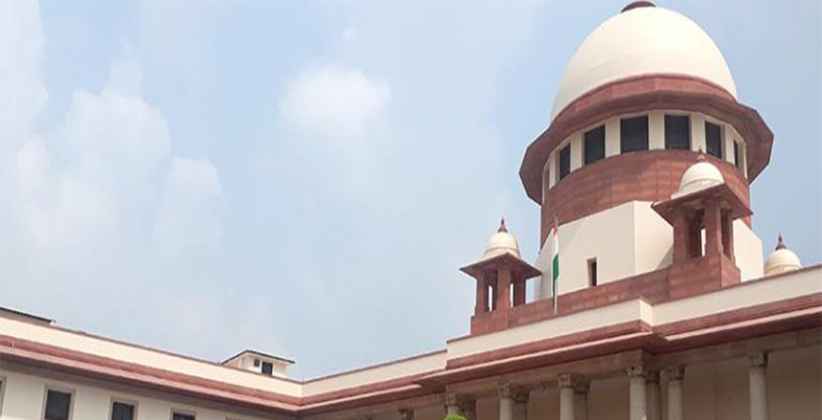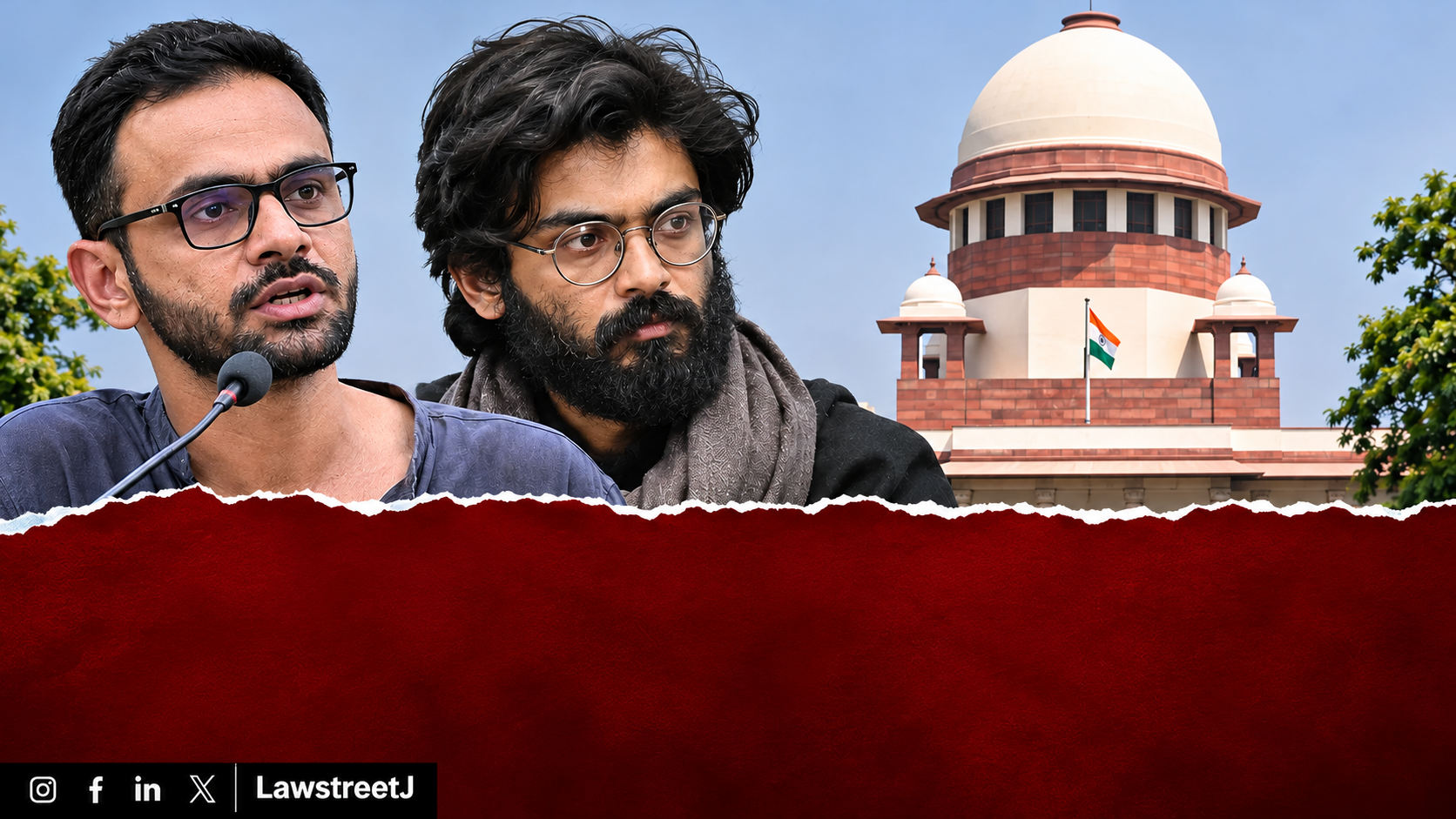
NEW DELHI: The Supreme Court of India has issued notice to the Delhi Police on separate pleas filed by activists Umar Khalid and Sharjeel Imam seeking bail in the 2020 Delhi riots conspiracy case registered under the Unlawful Activities (Prevention) Act (UAPA).
The development brings renewed attention to the prolonged incarceration of the two activists, who have been in custody since 2020. Their latest appeals before the country's highest court challenge the continued denial of bail and raise questions concerning the progress of the prosecution and the constitutional right to personal liberty.
In their petitions, Khalid and Imam have argued that the prosecution has failed to examine protected witnesses within the stipulated period. They have also pointed to the one-year embargo imposed by the Supreme Court, arguing that the restriction is nearing its expiry. The notice means the Delhi Police will have an opportunity to respond to the submissions made by the petitioners. However, it does not amount to a grant of bail or an indication that the court has accepted their arguments.
Court Declines to Consider Interim Bail for Now
During Wednesday's hearing, senior advocate Kapil Sibal, appearing for Umar Khalid, urged the court to consider interim bail, pointing to his prolonged detention of more than six years. Senior advocate Siddharth Dave, representing Sharjeel Imam, also pressed for interim relief. However, the bench declined to consider interim bail at this stage, making it clear that the Delhi Police would first have to respond to the petitions.
The court indicated that the interim relief request would be considered after hearing the government's position. It also emphasised that the main matter itself would be taken up for further consideration.
Solicitor General Tushar Mehta appeared for the Delhi Police and opposed the petitioners' request for immediate relief. The court's decision means that neither Khalid nor Imam received interim bail during the November 25 hearing. Their continued detention remains unchanged for now.
Why Have Umar Khalid and Sharjeel Imam Approached the Supreme Court Again?
The latest petitions follow a series of unsuccessful attempts to secure bail through the lower courts. On January 5, 2026, the Supreme Court rejected their earlier bail appeals while granting bail to five other accused in the same case, including Gulfisha Fatima.
In that ruling, the court distinguished the alleged roles attributed to Khalid and Imam from those of the other accused. However, the January order also allowed the two activists to renew their bail applications after the examination of protected prosecution witnesses or after the completion of one year from the date of the order, whichever occurred earlier.
Their latest petitions rely heavily on this provision.
The activists have argued that the prosecution has made insufficient progress in examining protected witnesses and that the one-year period is approaching its January 5, 2027 deadline. They contend that keeping them in custody without meaningful progress in the trial raises serious questions about their right to personal liberty under Article 21 of the Constitution.
Their legal challenge also follows the Delhi High Court's September 30 decision rejecting their appeals against the trial court's refusal to grant fresh bail.
Larger Bench May Examine the Legal Question
An important aspect of Wednesday's proceedings was the court's decision to place the matter before the Chief Justice of India on the administrative side for the constitution of an appropriate three-judge bench.
The move is linked to a legal question referred to a larger bench on May 22, 2026, in proceedings involving co-accused Tasleem Ahmed. At the centre of the issue is the relationship between two important judicial principles:
- UAPA provisions: Section 43D(5) imposes stringent conditions on granting bail to individuals accused under the anti-terror law.
- Right to personal liberty: The Supreme Court's 2021 judgment in Union of India v. K.A. Najeeb recognised that prolonged incarceration and delays in completing a trial can become relevant grounds for granting bail, even in cases involving stringent statutory restrictions.
The court is considering the perceived conflict between different judicial interpretations of these principles.
Chief Justice Surya Kant indicated that the issue required consideration by an appropriately constituted larger bench. The development could have implications beyond the present petitions, particularly for undertrials facing prolonged detention under the UAPA. The court did not announce a final decision on the applicability of these principles to Khalid and Imam during Wednesday's hearing.
What Is the 2020 Delhi Riots Conspiracy Case?
The case concerns the alleged larger conspiracy behind the communal violence that broke out in northeast Delhi in February 2020. The violence resulted in 53 deaths and left more than 700 people injured. It occurred amid tensions surrounding protests against the Citizenship (Amendment) Act, 2019.
Delhi Police alleged that the violence was part of a wider conspiracy involving several individuals and protest-related activities. Umar Khalid and Sharjeel Imam were subsequently charged under the UAPA alongside several other accused. Khalid was arrested on September 13, 2020, while Imam was arrested in this case on August 25, 2020.
Both have denied the allegations against them. The prosecution's claims remain subject to judicial examination, and the case has not resulted in a final conviction against either activist.
The proceedings have attracted considerable attention because of the length of pre-trial detention and the challenges involved in conducting a trial involving numerous accused persons and witnesses.