38.6c New Delhi, India, Tuesday, April 28, 2026
Top Stories Supreme Court
Political NEWS Legislative Corner Celebstreet International Videos
Subscribe Contact Us
close
Judiciary

'Time has come to establish the boundaries of the Sedition Law': Supreme Court

By Saakshi Singh Rawat      14 June, 2021 09:10 PM      0 Comments
'Time has come to establish the boundaries of the Sedition Law': Supreme Court

On 31st May, 2021, the Supreme Court specifically looked at sedition proceedings against anyone who criticises the government, asking if any had been brought against a TV broadcaster that recently broadcast footage of people discarding a Covid-19 patient's body into the river in Uttar Pradesh.

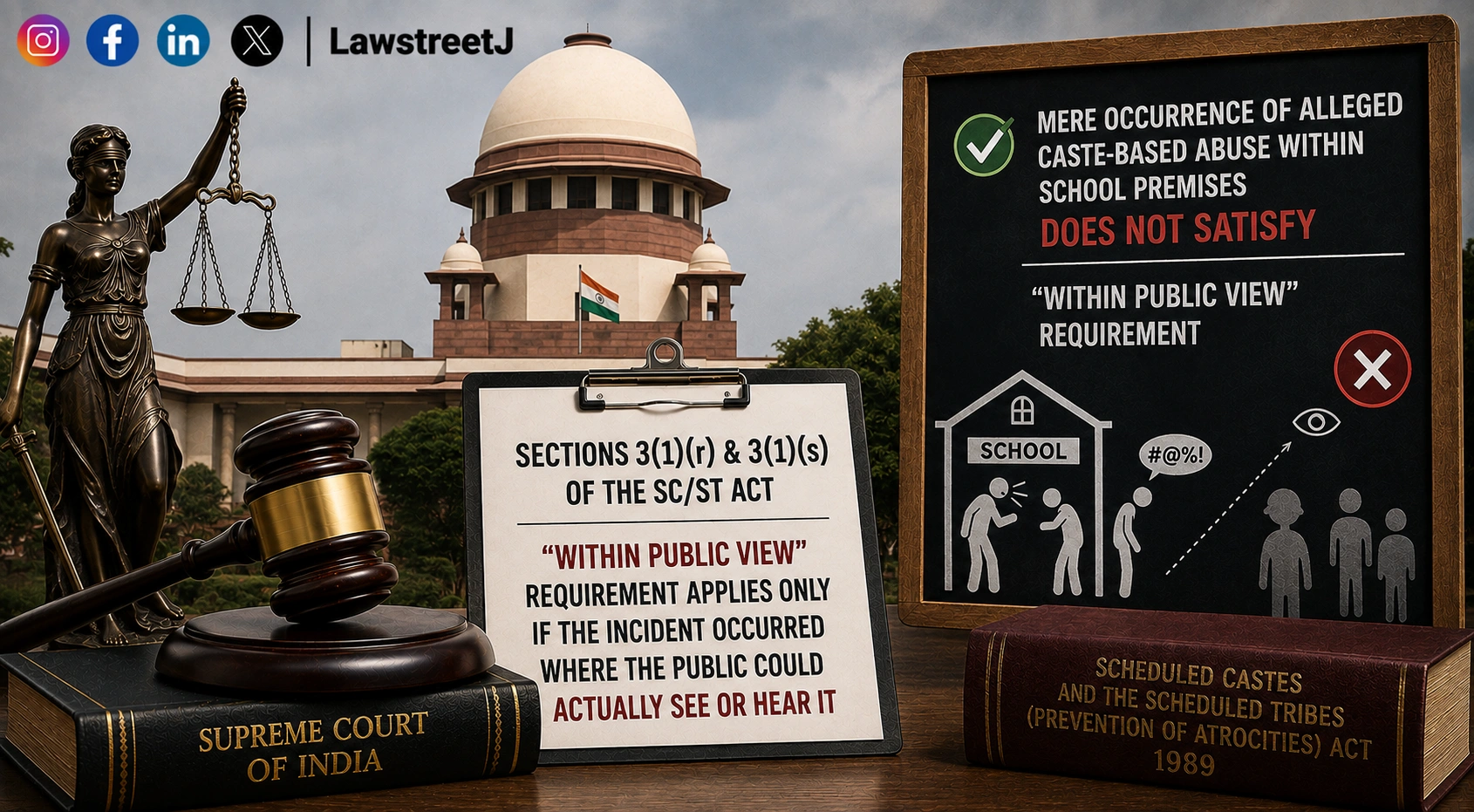
During a session on 31st May, 2021, Monday, on the difficulties raised by Covid-19, a three-judge panel led by Justice DY Chandrachud made the caustic remarks. The lack of honour offered to individuals who died of the contagious sickness was brought to the notice of the court. The Supreme Court has stated that defining what is and is not sedition will assist to prevent the colonial-era provision from being used to penalise dissent.

The Supreme Court made this statement while preventing the Andhra Pradesh government from pursuing retaliatory action against two Telugu news stations that were charged under Section 124 A of the Indian Penal Code (IPC) for allegedly inciting discontent against the state administration. The court's displeasure with this clause was evident in April, when it requested a reaction from the Centre on a petition challenging the law's constitutional legality.

Despite the fact that the term "sedition" was removed from the Constitution in1949, Section 124A of the IPC defines it as, the aim or inclination to disturb law and order, or comments that appear to inspire violence. The position of the SC should elicit unqualified support. The state should protect not only its security and sovereignty, but also its people' fundamental rights. The use of flimsy sedition charges to frighten and silence individuals who disagree is common.

As per the National Crime Records Bureau, only 3% of the 93 cases filed in 2019 resulted in conviction, implying that the charges were not supported by sufficient evidence. India has a legal framework in place to deal with people who try to foment violence or endanger the country's integrity.Since India is approaching its 75th year of independence next year, it is only fitting that the Supreme Court has weighed in to clarify the difference amongst sedition and citizens' democratic right to express criticism without it being labelled as enemies of the state. 


Share this article:


Leave a feedback about this
TRENDING NEWS

sc-takes-suo-motu-cognisance-of-brutal-stabbing-of-woman-advocate-missing-children-hospital-refusal-under-scanner
Trending Judiciary
SC Takes Suo Motu Cognisance of Brutal Stabbing of Woman Advocate; Missing Children, Hospital Refusal Under Scanner

Supreme Court takes suo motu cognisance of Delhi lawyer stabbing case, orders probe into hospital denial and directs police to trace two missing children.

27 April, 2026 04:56 PM

TOP STORIES

cant-claim-maintenance-from-man-if-dna-test-shows-non-paternity-supreme-court-of-india
Trending Judiciary
Can’t Claim Maintenance from Man if DNA Test Shows Non-Paternity: Supreme Court of India [Read Judgment]

Supreme Court rules no maintenance if DNA proves non-paternity; Section 112 presumption yields to scientific evidence when findings attain finality.

22 April, 2026 03:48 PM
pil-against-z-vvip-security-cover-to-rss-chief-mohan-bhagwat-dismissed-as-motivated-petition-and-abuse-of-process-of-law-bombay-hc
Trending Judiciary
PIL Against Z+ VVIP Security Cover to RSS Chief Mohan Bhagwat Dismissed as “Motivated Petition” and “Abuse of Process of Law”: Bombay HC [Read Order]

Bombay High Court dismisses PIL against Z+ security for RSS chief Mohan Bhagwat, calling it a motivated petition and abuse of process.

22 April, 2026 05:22 PM
sabarimala-reference-day-6-bench-continues-hearing-on-limits-of-denominational-autonomy-agamic-law-and-drafting-history-of-articles-25-26-debated
Trending Judiciary
Sabarimala Reference Day 6: Bench Continues Hearing on Limits of Denominational Autonomy; Agamic Law and Drafting History of Articles 25–26 Debated

Sabarimala Reference Day 6: Bench Continues Hearing on Limits of Denominational Autonomy; Agamic Law and Drafting History of Articles 25–26 Debated

22 April, 2026 05:45 PM
foreign-judgments-without-trial-on-merits-unenforceable-in-india-rbi-nod-mandatory-sc
Trending Judiciary
Foreign Judgments Without Trial on Merits Unenforceable in India; RBI Nod Mandatory: SC [Read Judgment]

SC rules foreign judgments without trial on merits unenforceable in India; RBI approval under FERA mandatory for enforcement of foreign decrees.

22 April, 2026 06:03 PM

ADVERTISEMENT


Join Group

Signup for Our Newsletter

Get Exclusive access to members only content by email