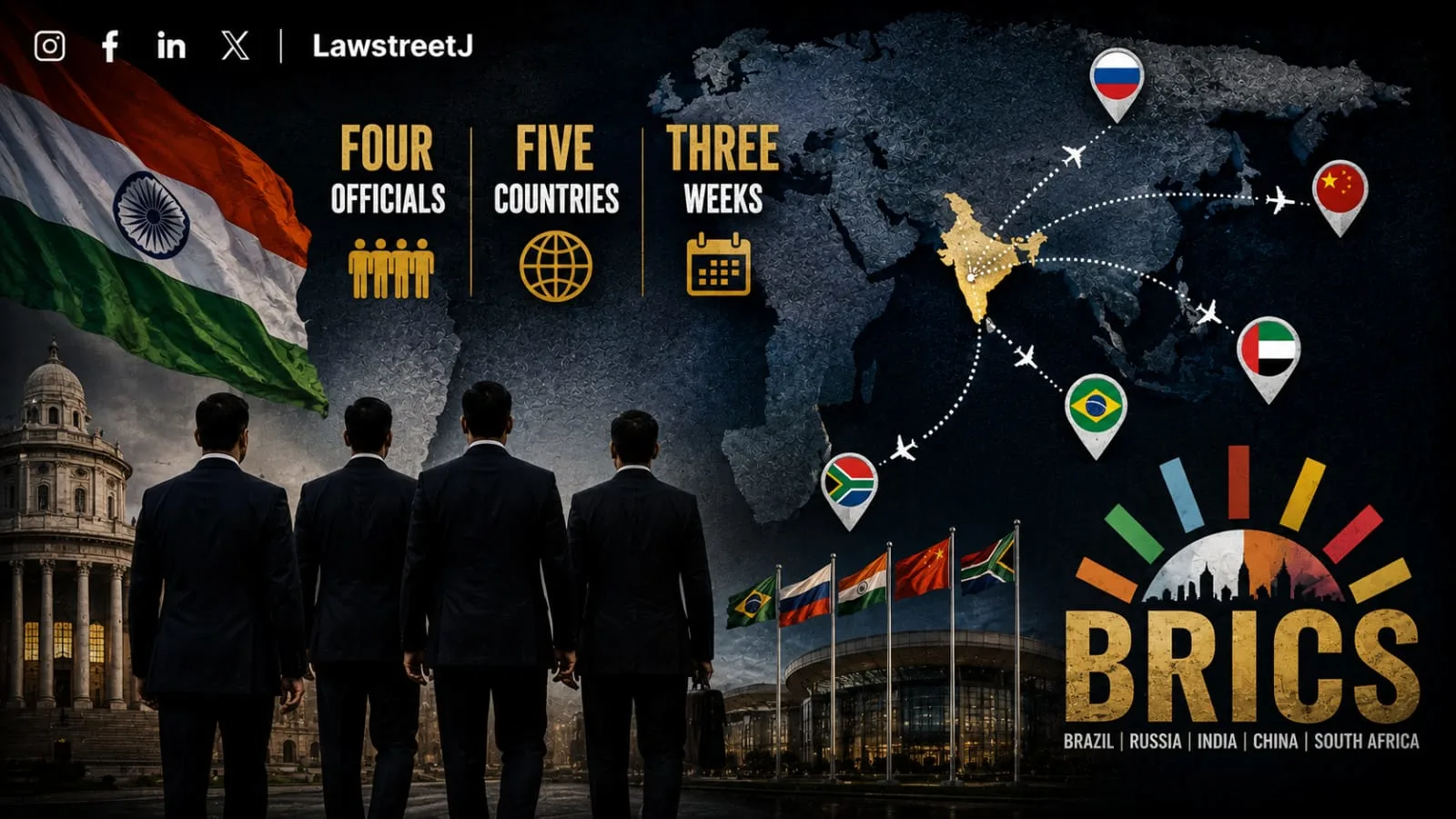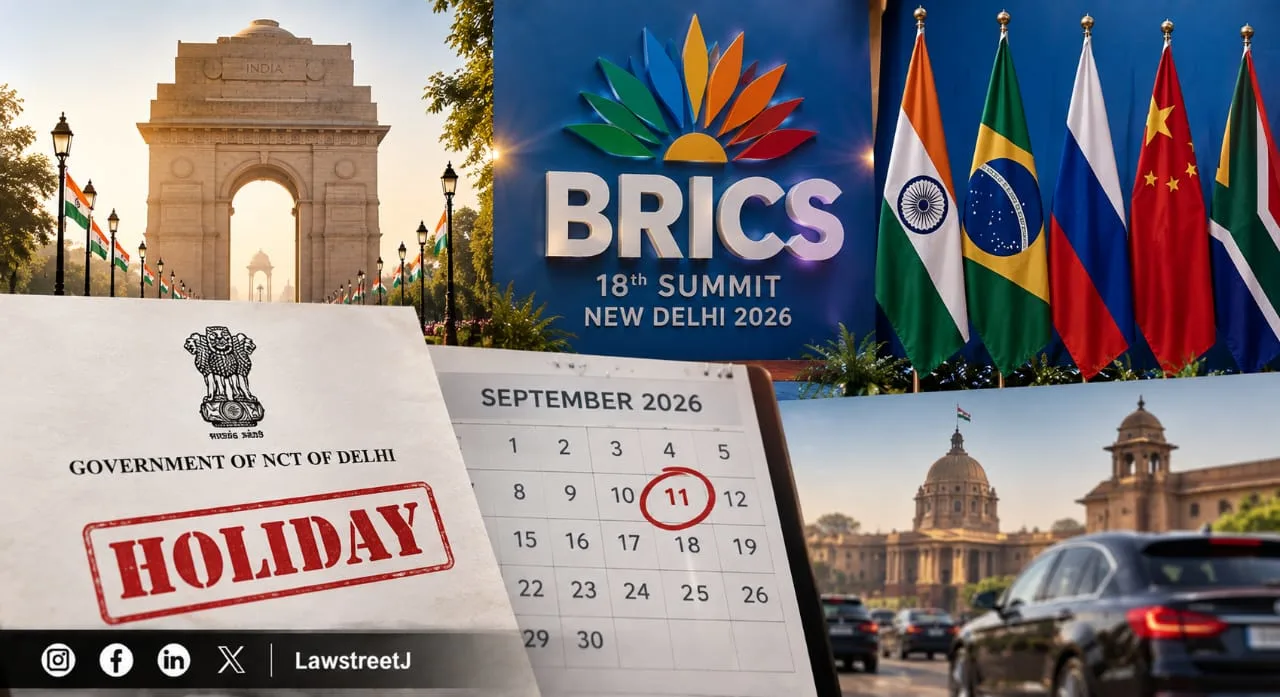
NEW DELHI: The Intelligence Bureau has put Delhi Police and central security agencies on alert over possible attempts to disrupt VVIP movement and breach security arrangements ahead of the 18th BRICS Summit, being held in the capital on September 12 and 13, 2026. With multiple heads of state converging on the city at once, the warning has triggered one of the more detailed threat assessments Delhi has seen ahead of a diplomatic gathering in recent years.
What the IB Actually Flagged
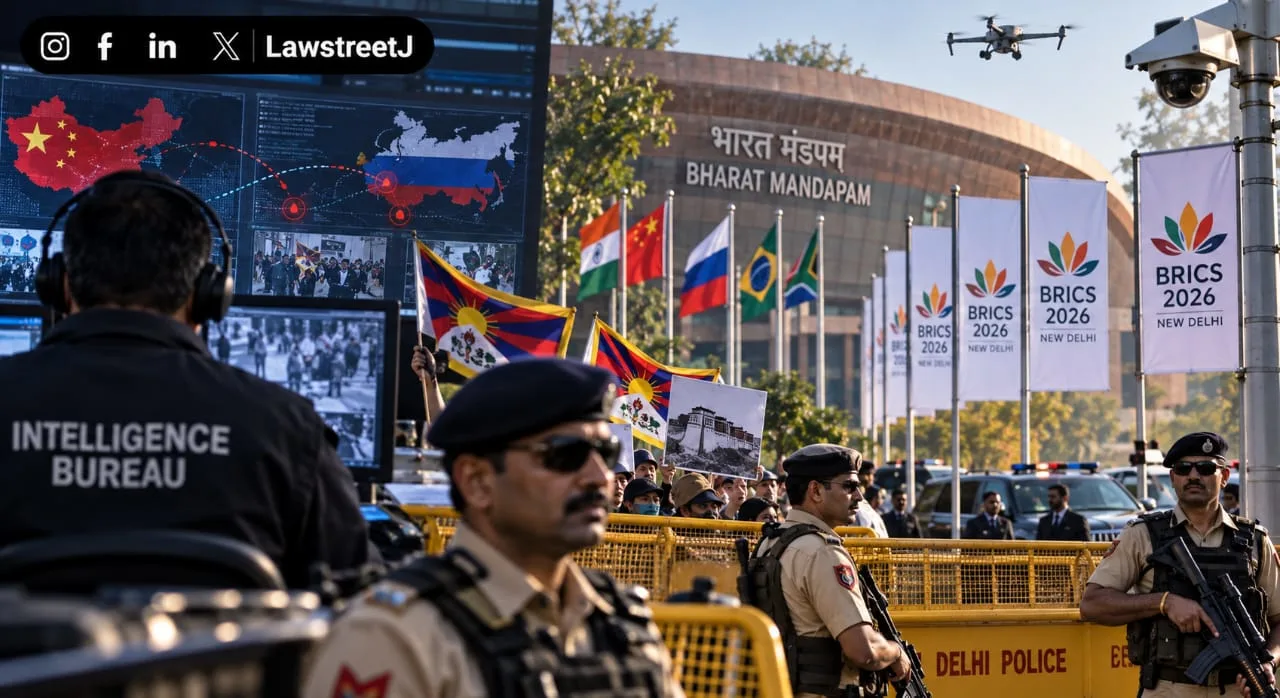
The alert isn't vague hand-wringing about "security concerns" it names specific things agencies are watching for. Drone activity near summit venues and VVIP routes is one of the flagged risks, along with graffiti, organised protests, and attempts by individuals or groups to physically enter the corridors being used for the movement of visiting leaders. To catch any of this before it happens rather than after, agencies are said to be closely monitoring social media and other digital platforms, looking for protest calls, mobilisation efforts, or any online chatter that might signal a disruption is being planned.
What makes this alert notable is how specifically it names the geopolitical fault lines involved. China-related concerns, centred on Tibetan protest activity, and Russia-related issues have both been flagged as part of the threat picture, which lines up with exactly who's arriving in the city, Chinese President Xi Jinping and Russian President Vladimir Putin are both attending, making protests tied to either country a fairly predictable risk that security planners have clearly built into their preparations well in advance.
Khalistan-linked threats have also been included in the broader assessment, rounding out a list that reflects several distinct and longstanding sources of friction rather than a single, generic worry.
How Security Has Actually Changed on the Ground
None of this is staying on paper. Surveillance has visibly increased around the summit venue itself, the hotels housing visiting delegations, the VVIP routes leaders will be using to move through the city, critical installations, and major transport hubs, essentially every point where a large crowd, a foreign leader, or both could intersect over the next two days.
Officers and personnel have been posted at barricaded checkpoints across the city, a scene that's become increasingly visible in the run-up to the summit as roads have been fenced off and movement tightened in areas near Pragati Maidan and other key locations.
This heightened posture isn't happening in isolation, either. It comes against the backdrop of a citywide security operation involving thousands of police personnel and paramilitary companies, alongside traffic restrictions across large parts of Delhi to manage the simultaneous presence of multiple foreign delegations. Separately, Delhi Police had already detained a small group of Tibetan protesters near Pragati Maidan on Friday morning, an incident that, in hindsight, fits squarely within the exact kind of China-linked protest activity the IB's warning had specifically flagged as a likely risk.
With the BRICS Summit's formal proceedings now underway and running through Sunday, the IB's warning essentially functions as a heads-up that the risk window isn't closed yet. Agencies appear to be treating the next two days as the period of highest exposure, given that this is when the largest number of foreign leaders, including Xi and Putin, will actually be moving through the city rather than simply arriving or departing.
Whether any of the specific threats named in the alert, drone incursions, graffiti, route breaches, or organised protests, actually materialise over the coming days remains to be seen, but the scale of the precautionary response already in place suggests Delhi's security establishment isn't treating the warning as a routine formality.