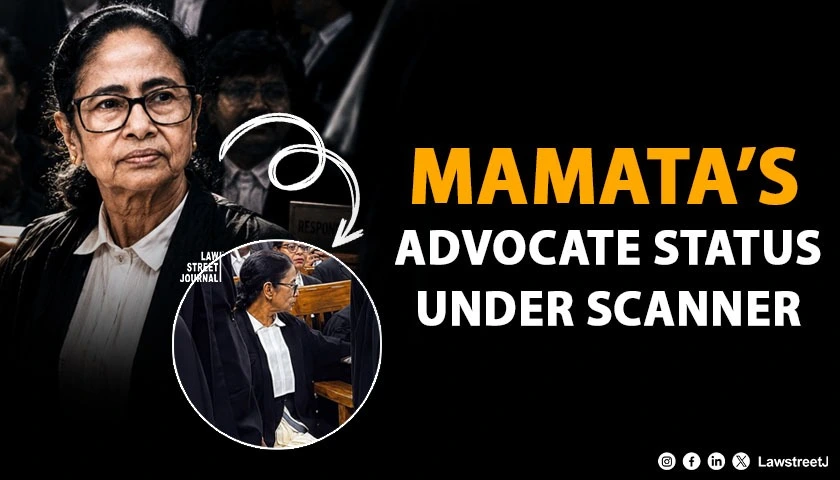
New Delhi: The Bar Council of India (BCI) on May 14, 2026 sought detailed information from the Bar Council of West Bengal regarding the enrolment and practice status of former West Bengal Chief Minister Mamata Banerjee after reports emerged of her appearance before the Calcutta High Court wearing advocate’s robes and white bands.
The development has triggered a larger legal and professional debate on whether a former constitutional functionary can wear advocate’s attire and appear before a court without clarity regarding active enrolment and practice status under the Advocates Act, 1961 and the Bar Council of India Rules.
In a letter dated May 14, 2026 addressed to the Secretary of the State Bar Council of West Bengal, the BCI stated that it had taken note of various media reports indicating that Mamata Banerjee appeared before the Calcutta High Court in legal attire.
“It has been brought to the notice of the Bar Council of India, through various media reports, that Ms. Mamata Banerjee, former Chief Minister of West Bengal, appeared today before the Hon’ble High Court at Calcutta wearing advocate’s robes/legal attire, including white bands,” the communication stated.
What Triggered the BCI’s Intervention?
The controversy centres around whether Banerjee presently holds a valid and active status permitting her to practise law and wear the prescribed advocate’s dress before constitutional courts.
Under the Advocates Act and the Bar Council of India Rules, only advocates duly enrolled with a State Bar Council and authorised to practise are entitled to appear before courts in advocate’s robes and white bands. The BCI Rules also prescribe standards of professional conduct, dress regulations and practice requirements for advocates across India.
While Mamata Banerjee has a legal background and is understood to have studied law, the BCI has now sought official verification regarding whether she remained on the rolls of practising advocates during her long tenure as Chief Minister of West Bengal from 2011 to 2026 and whether any suspension or cessation of practice was intimated during that period.
Details Sought by the BCI
The BCI has directed the State Bar Council of West Bengal to furnish extensive details and records concerning Banerjee’s advocate status. The information sought includes:
- Her enrolment number, if enrolled with the State Bar Council of West Bengal;
- Date of enrolment;
- Whether her name presently continues on the State Roll of Advocates;
- Whether she had informed the State Bar Council about voluntary suspension, cessation, or suspension of practice during her tenure as Chief Minister;
- Copies of any application, intimation, noting, or order regarding such suspension or cessation;
- Whether any request for resumption of practice was submitted after demitting office;
- Date and status of any such resumption application;
- Whether any valid Certificate of Practice presently exists in her favour;
- Whether the certificate or practice status is active, suspended, or otherwise;
- Any other communication, order, or record concerning her entitlement to practise during or after holding public office.
The BCI has also sought certified copies of all relevant files, correspondence, official notings and practice-related records within two days.
Direction Against Alteration of Records
In a significant part of the communication, the BCI instructed the State Bar Council that pending submission of its reply, no alteration, overwriting, interpolation, correction, or reconstruction of records relating to the matter should be undertaken except strictly in accordance with law and after due intimation to the Bar Council of India.
The State Bar Council was further directed to preserve all original records and keep them available for inspection, if required.
The matter has been marked urgent.
Legal Position on Advocates Holding Public Office
The issue has also reignited discussion on whether advocates occupying full-time constitutional or executive positions can continue active legal practice simultaneously.
Under Indian legal ethics and professional standards, advocates holding certain full-time salaried positions are generally restricted from practising law during their tenure. The Bar Council of India Rules prohibit advocates from engaging in full-time salaried employment inconsistent with legal practice unless permitted under the rules.
Although elected representatives and political leaders may possess law degrees or prior enrolment as advocates, actual entitlement to practise depends upon continued compliance with Bar Council regulations, maintenance of practice status and fulfilment of procedural requirements, including renewal of Certificates of Practice wherever applicable.
The present inquiry by the BCI appears aimed at determining whether Mamata Banerjee had formally suspended her practice during her tenure as Chief Minister and whether any lawful resumption of practice subsequently took place.
Wider Significance of the Controversy
The issue is likely to generate broader debate within legal and political circles regarding the sanctity of advocate’s attire and the regulatory powers of Bar Councils in monitoring practice status.
Advocate’s robes and white bands are not merely ceremonial clothing but signify an advocate’s recognised status before courts under the Advocates Act and the Bar Council Rules. Any ambiguity regarding entitlement to wear such attire before constitutional courts may raise questions concerning professional ethics, regulatory compliance and institutional accountability.
The response of the State Bar Council of West Bengal is now awaited and may determine whether any further proceedings or clarification are initiated by the Bar Council of India in the matter.



![Calcutta High Court conducts late-evening hearing, orders release of lawyer arrested inside court [Read Order]](/secure/uploads/2023/12/lj_4146_Court_lawyers_arrest.jpg)
![Indian Courts this Week: Law Street Journal's Weekly Round-Up of SC & HCs [Jan 1 - Jan 6]](/secure/uploads/2024/01/lj_9050_WhatsApp_Image_2024-01-06_at_12.07.10_PM.jpeg)
.jpeg)