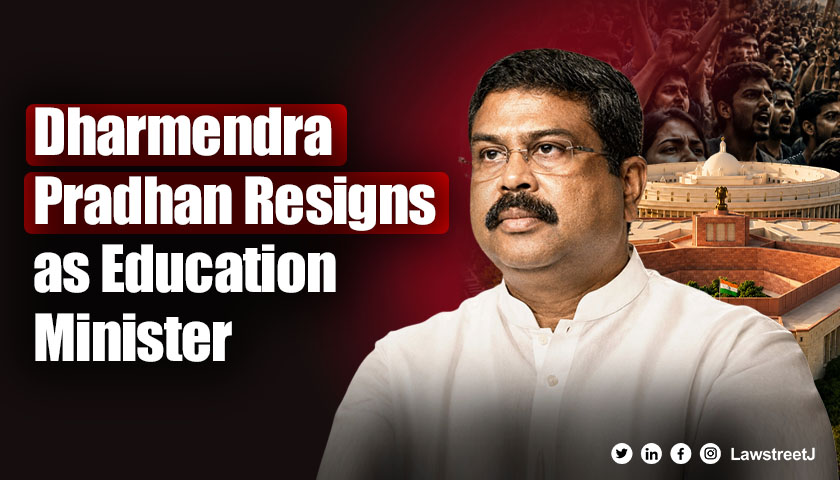

New Delhi: Union Education Minister Dharmendra Pradhan submitted his resignation to Prime Minister Narendra Modi on Saturday afternoon, becoming the first minister to resign under public pressure in Narendra Modi's prime ministership.
At 2:18 p.m. on July 25, exactly 53 days after 2.27 million students sat down to write NEET-UG 2026, and the examination that changed everything began, Pradhan posted his resignation letter on X from his verified account @dpradhanbjp. The letter, written in Hindi and addressed to "Mere Yuva Sathiyon", "My Young Friends", marks the end of the most sustained campaign of student-led political pressure India has seen in a generation and the first time in eleven years of the Modi era that a Cabinet minister has departed in direct response to street-level public demand.
What Pradhan Said: His Letter, His Words
Pradhan's resignation letter is notable for what it says, what it concedes, and what it carefully does not say.

He begins by outlining his 40-year commitment to education reform, then acknowledges the NEET-UG 2026 paper leak directly. "On May 3, 2026, irregularities were found in the NEET-UG examination. The government immediately took cognisance of this, got the case registered with the CBI, and cancelled the examination. The date of re-examination was announced and the examination was conducted again in CBT mode."
He defends the retest: "On June 21, 2026, the examination was completed successfully. The results on July 16 were satisfactory, in which many meritorious students from poor backgrounds also got success."
He then describes the protests: "But during this period, some people in positions of responsibility tried to mislead many students, which deeply disturbed me."
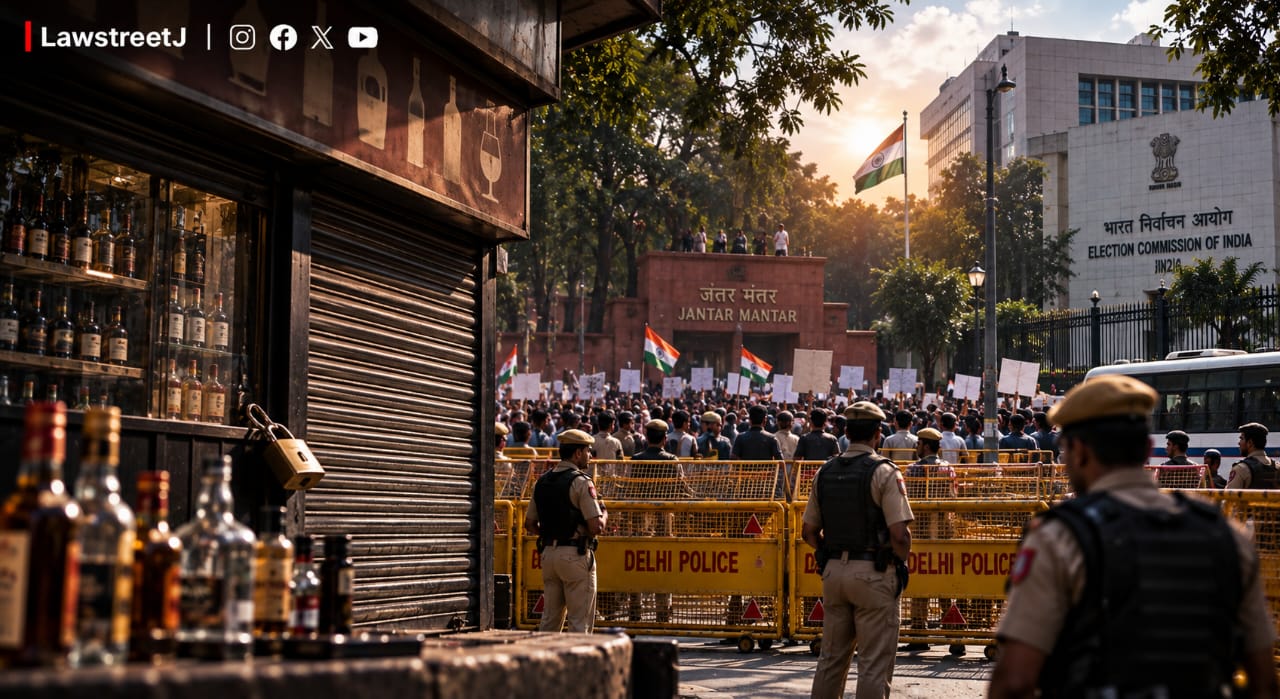
On his resignation, the key passage reads: "Considering the situation at Jantar Mantar and elsewhere in the country, and so that anti-national forces do not take advantage of the circumstances, national unity is maintained, no student's future gets entangled in legal complications, and our children can focus on their studies and building their careers, I have submitted my resignation to the Hon'ble Prime Minister."

He closes with: "I always believe in the power of our democracy and deeply respect the aspirations, dreams, and expectations of the youth. The last 10 days' events have saddened me. This is not a matter of my personal prestige. India's youth power is the country's real strength. I am determined not to let the country's youth power get caught in the web of confusion."
The framing is significant. Pradhan does not say he is resigning because the students were right. He says he is resigning so that "anti-national forces" cannot exploit the situation. It is the language of political sacrifice framed as national duty, accepting a demand without fully conceding the case behind it.
The Historic Significance: Modi's First Scalp Under Public Pressure
This is the first resignation under public pressure under Narendra Modi's prime ministership. In eleven years of governing India across two and now a third term, Narendra Modi has never before yielded a Cabinet minister to street-level protest. Ministers who faced corruption allegations, who were involved in controversies, who attracted political criticism, none resigned under protest pressure during this period. The institutional norm of the Modi government has been to hold firm, dismiss criticism as Opposition politics, and wait for public attention to move on.
The CJP broke that pattern. A movement that began on June 6 with student protesters outside Jantar Mantar, that survived a police ban and tear gas on July 20, that put the Leader of the Opposition in detention outside the Prime Minister's residence on July 21, that drew a Prime Minister's tweet on July 23, and that extracted a second meeting with JP Nadda and Jitendra Singh on July 24, has now achieved what no protest movement achieved in over a decade of this government's existence: the departure of a Cabinet minister.
How the Movement Won: A 53-Day Timeline
The sequence from paper leak to resignation took exactly 53 days:
May 3: NEET-UG 2026 examination held. 2.27 million students sit the test.
May 12: NTA cancels the examination after paper leak evidence emerges. CBI probe ordered.
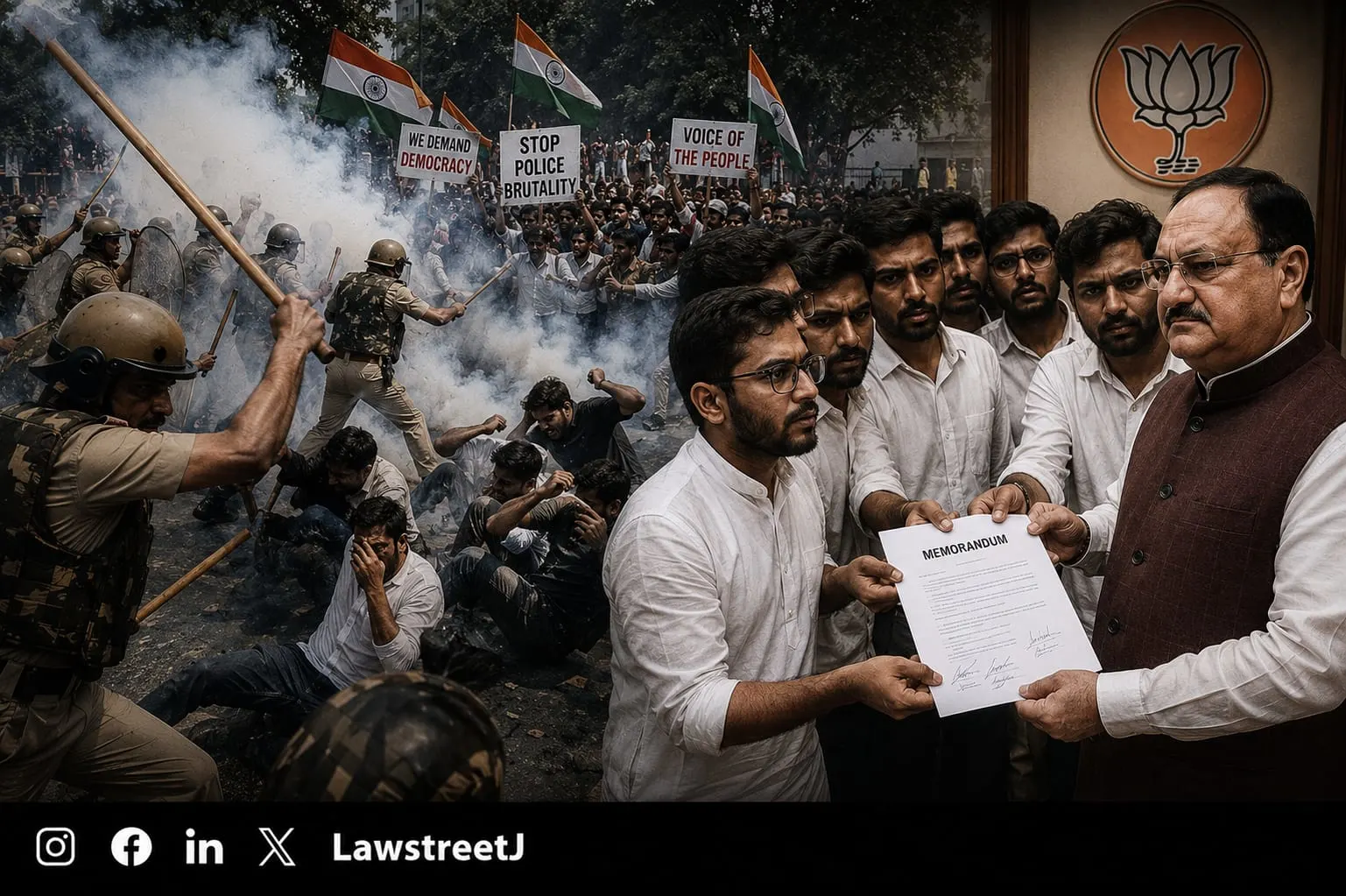
June 6: Cockroach Janata Party begins protests at Jantar Mantar. Core demand: Pradhan's resignation, compensation for families of NEET aspirants who died by suicide.
June 21: NEET-UG retest conducted in CBT mode. CJP says the retest does not address systemic accountability.
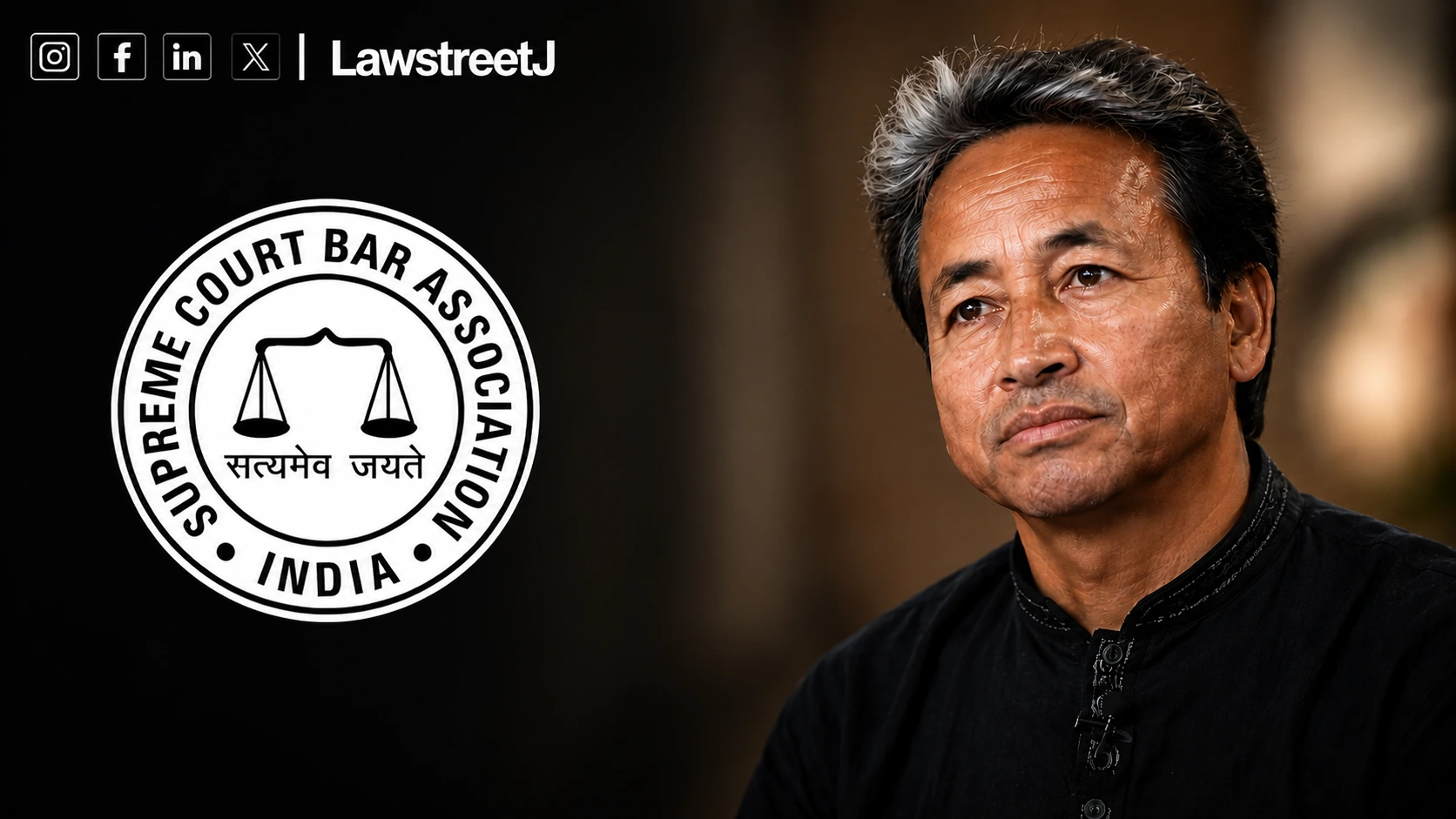
June 28: Sonam Wangchuk begins indefinite hunger strike at Jantar Mantar in solidarity with CJP.
July 16: NEET-UG retest results declared. Government says results satisfactory.
July 19: Police forcibly hospitalise Wangchuk after 21 days on hunger strike. He posts from Safdarjung Hospital calling for the march to proceed.
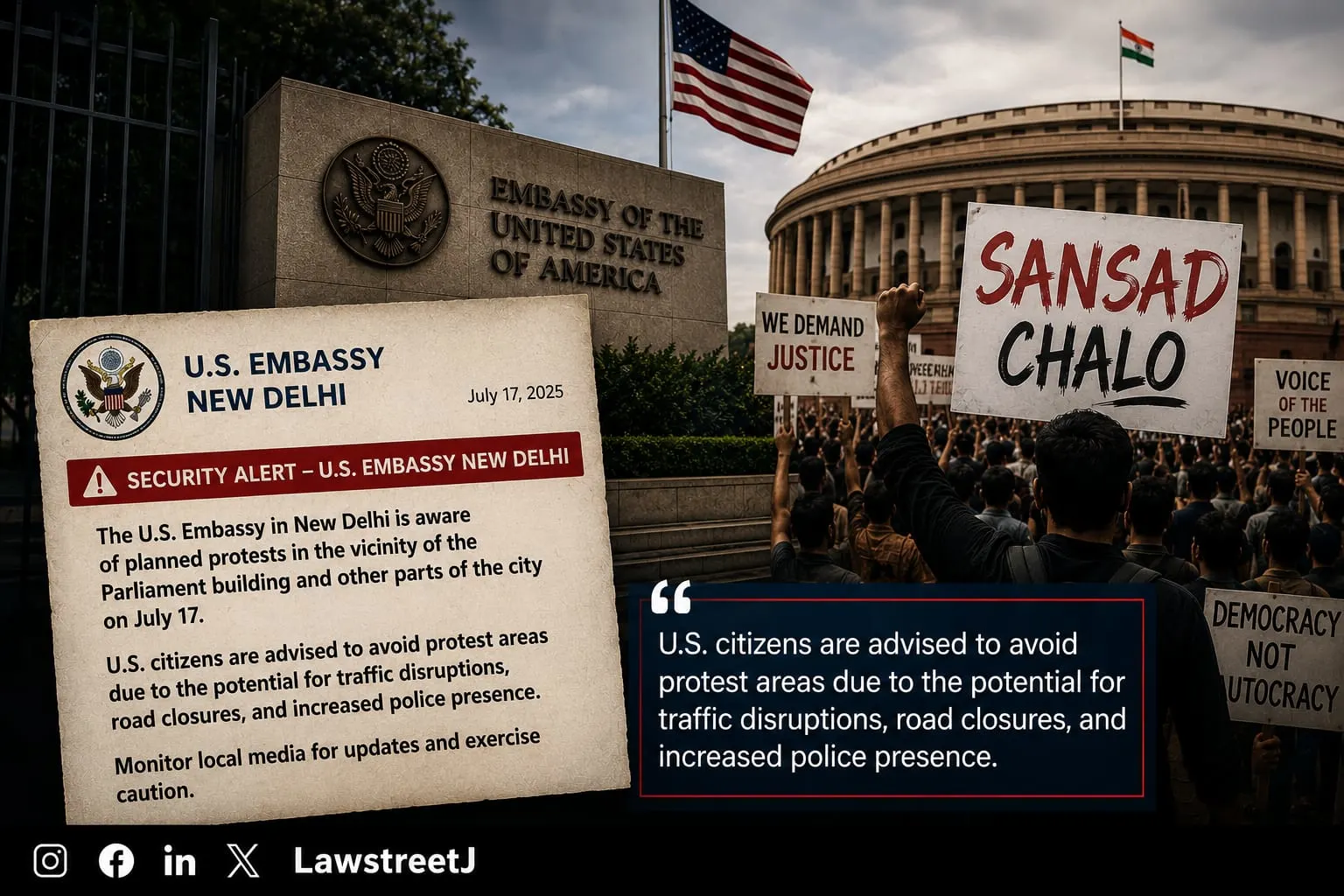
July 20: "Sansad Chalo" march. Tear gas. Lathi charges. 100-plus detentions. Parliament adjourned four times. 50 police injured. 50 protesters injured.
July 21: Rahul Gandhi, Priyanka Gandhi, Akhilesh Yadav detained outside PM Modi's residence. Kharge's birthday protest turns into national political flashpoint.
July 22: Second CJP-Centre meeting. Government given 24 hours to respond on resignation demand.
July 23: PM Modi posts on X announcing fast-track courts. The Print reports government has ruled out Pradhan's exit.
July 24: Talks continue. Centre seeks more time. Wangchuk's fast enters day 26.
July 25, 2:18 PM: Pradhan posts resignation letter on X. Akashvani confirms he has tendered resignation to PM Modi.
CJP's Response and What Happens Now
The Cockroach Janata Party had three core demands: Pradhan's resignation, Rs 1 crore compensation for families of NEET aspirants who died by suicide, and withdrawal of FIRs against protesters arrested during the July 20 Sansad Chalo march. Pradhan's resignation satisfies the first and most prominent demand.
Whether Wangchuk will end his hunger strike, now in its 27th day, following the resignation, whether the government will address the compensation demand, and whether the FIR withdrawals will follow are the immediate questions. Wangchuk's medical condition, described as deteriorating despite stable vitals, makes the question of his fast's continuation a matter of urgent public health concern independent of the political negotiations.
Parliament's Monsoon Session continues. With the most disruptive flashpoint of the session now partially resolved, there is some possibility that legislative business, including the FCRA Amendment Bill, the Viksit Bharat Shiksha Adhishthan Bill, and other pending legislation can resume in the coming week.
Who succeeds Pradhan at the Ministry of Education has not been announced at the time of writing. The ministry's most immediate tasks, implementing the NTA reforms that the NEET controversy demanded, overseeing the ongoing CBI investigation into the paper leak, and managing the legislative passage of the Shiksha Adhishthan Bill, will fall to whoever PM Modi nominates as the next Education Minister.
What the Resignation Means Beyond the NEET Issue
The departure of Dharmendra Pradhan under public pressure has implications that extend beyond the specific controversy that produced it.
It demonstrates, for the first time in this government's history, that sustained, organised, student-led street protest, combined with opposition parliamentary pressure and the moral authority of a respected national figure on hunger strike can produce accountability at the Cabinet level in Modi's India. That is not a small political fact. It is a significant one, and its reverberations will be felt in every future protest movement that seeks to extract accountability from this government.
It also demonstrates the limits of the government's standard response to protests branding them as externally influenced, politically motivated, or anti-national, when the protesters are students sitting on the street demanding accountability for an examination that failed 2.27 million of their peers.
What began as an internet movement started by Abhijeet Dipke and the Cockroach Janata Party has produced the first Cabinet resignation under public pressure in Narendra Modi's eleven-year prime ministership.
.jpeg)