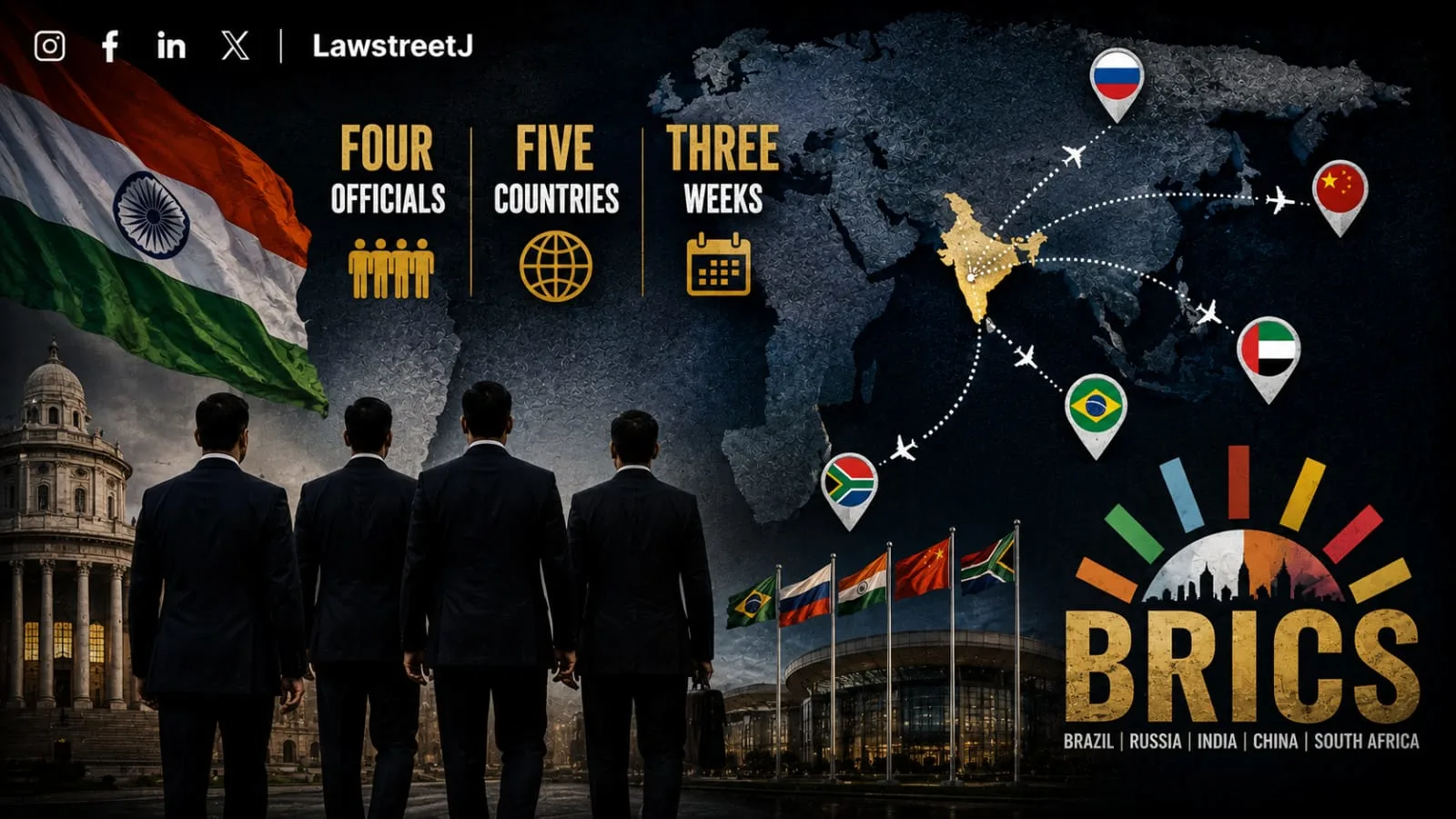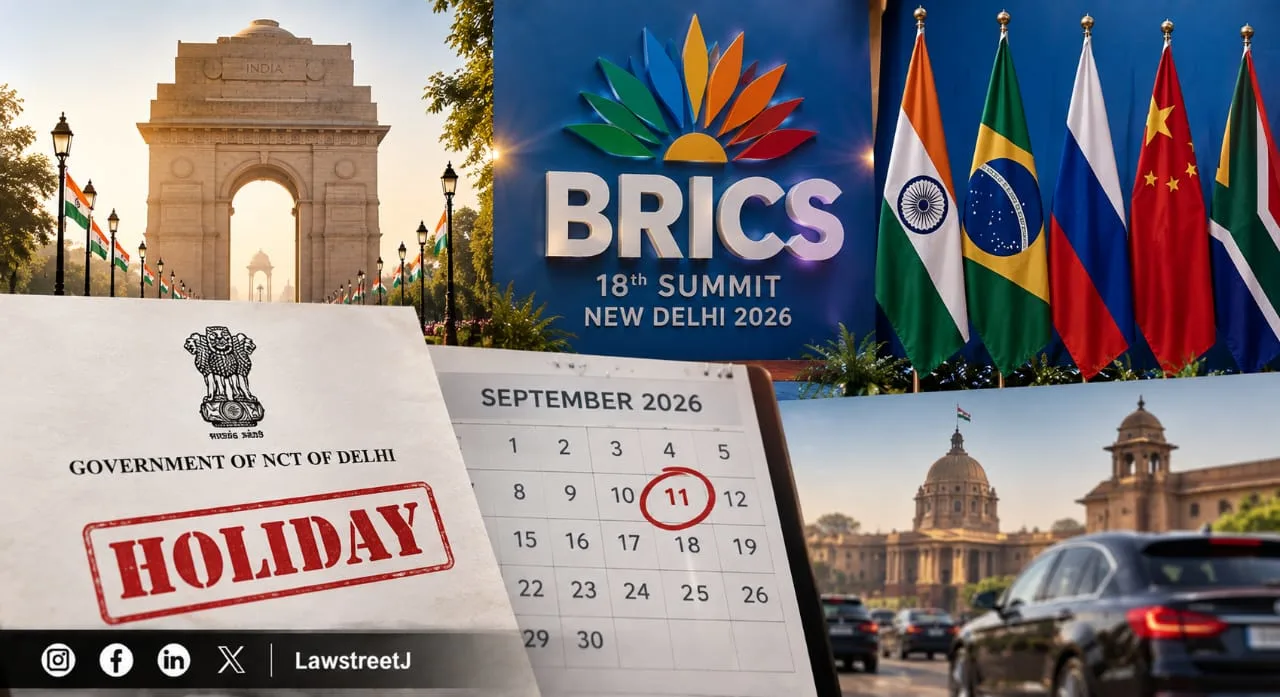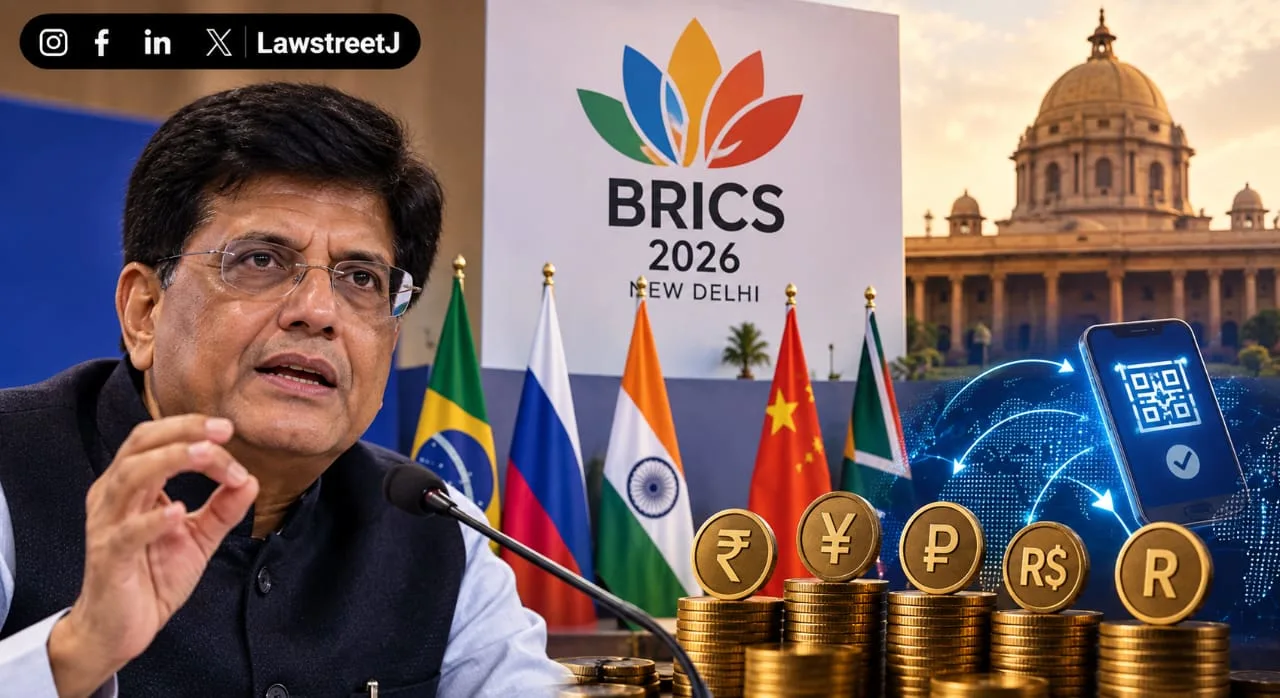
NEW DELHI - Union Commerce and Industry Minister Piyush Goyal on Friday called on BRICS member and partner countries to strengthen economic integration by linking their payment systems, encouraging trade in local currencies and making digital trade more accessible. He made the remarks while addressing the opening session of the BRICS Business Forum 2026 in New Delhi, a day before the 18th BRICS Leaders’ Summit begins in the capital.
Goyal’s remarks came as India prepares to host the leaders of the expanded BRICS grouping on September 12 and 13. The 2026 summit is being held under India’s chairship, with the official theme “Building for Resilience, Innovation, Cooperation and Sustainability.” The grouping currently has 11 members: Brazil, China, Egypt, Ethiopia, India, Indonesia, Iran, Russia, Saudi Arabia, South Africa and the United Arab Emirates.
Goyal Pushes for Interlinked Payment Systems and Local-Currency Trade
Addressing business representatives and policymakers, Goyal highlighted India’s digital public infrastructure and the scale of the country’s digital payments ecosystem. He said India’s Unified Payments Interface (UPI) has crossed more than 250 billion transactions annually and is accepted in 11 countries.
Goyal called on BRICS members and partner countries to explore greater connectivity between their payment systems. He also urged countries to facilitate trade in their respective local currencies and expand digital trade across borders.
The proposal focuses on improving the ease and efficiency of cross-border transactions rather than establishing a single BRICS currency. Discussions on payment interoperability and greater use of national currencies have been part of the wider BRICS economic agenda. India has previously supported practical mechanisms for facilitating cross-border payments while maintaining the role of national currencies and domestic financial systems.
Goyal also called for measures to improve market access and reduce barriers affecting trade between BRICS economies. Among the areas highlighted were regulatory procedures, access to raw materials and critical minerals, and faster movement of goods across borders. The broader objective is to make trade between participating economies more efficient and strengthen supply-chain links.
BRICS Represents 49.5% of Global Population and 40% of GDP
The discussions at the Business Forum come against the backdrop of the significant expansion of BRICS over the past two years. The grouping now spans countries across Asia, Africa, the Middle East and Latin America. According to the latest Government of India figures, the 11 BRICS members collectively represent 49.5% of the world’s population, 40% of global GDP and 26% of global trade. These figures reflect the economic and demographic scale of the expanded grouping.
India is using its 2026 chairship to focus on economic cooperation alongside areas including technology, innovation, sustainability and development. The government has described BRICS as an important forum for coordination among emerging economies and for discussions on global governance, finance, trade and development. The Business Forum is also intended to connect recommendations from the business community with the wider BRICS process. Trade facilitation, investment, supply-chain resilience, digital cooperation and support for businesses are among the economic issues being discussed ahead of the leaders’ meeting.
Payment Cooperation Must Operate Within National Laws
Any future linkage between BRICS payment systems would have to operate within the legal and regulatory frameworks of individual member countries. Payment infrastructure, banking operations, data handling, foreign-exchange transactions and cross-border settlements remain subject to national laws and the rules of respective financial regulators.
For India, cross-border payment arrangements involving banks and payment systems operate within the regulatory framework established by the Reserve Bank of India and other applicable laws. UPI itself is developed and operated within India’s regulated digital payments ecosystem. Government information states that UPI is currently available for acceptance and/or cross-border remittance arrangements in 11 countries.
The push for greater payment connectivity therefore does not by itself create a common BRICS payment system or a common currency. It represents a proposal for greater interoperability and easier cross-border transactions between existing national systems. Previous BRICS discussions have also supported interoperability of payment systems and greater use of local currencies for trade. The issue is expected to remain relevant as BRICS leaders meet in New Delhi on September 12 and 13. With the grouping accounting for 40% of global GDP and nearly half of the world’s population, discussions on payment connectivity, local-currency transactions, trade barriers and digital commerce are set to form an important part of the economic agenda under India’s 2026 chairship.