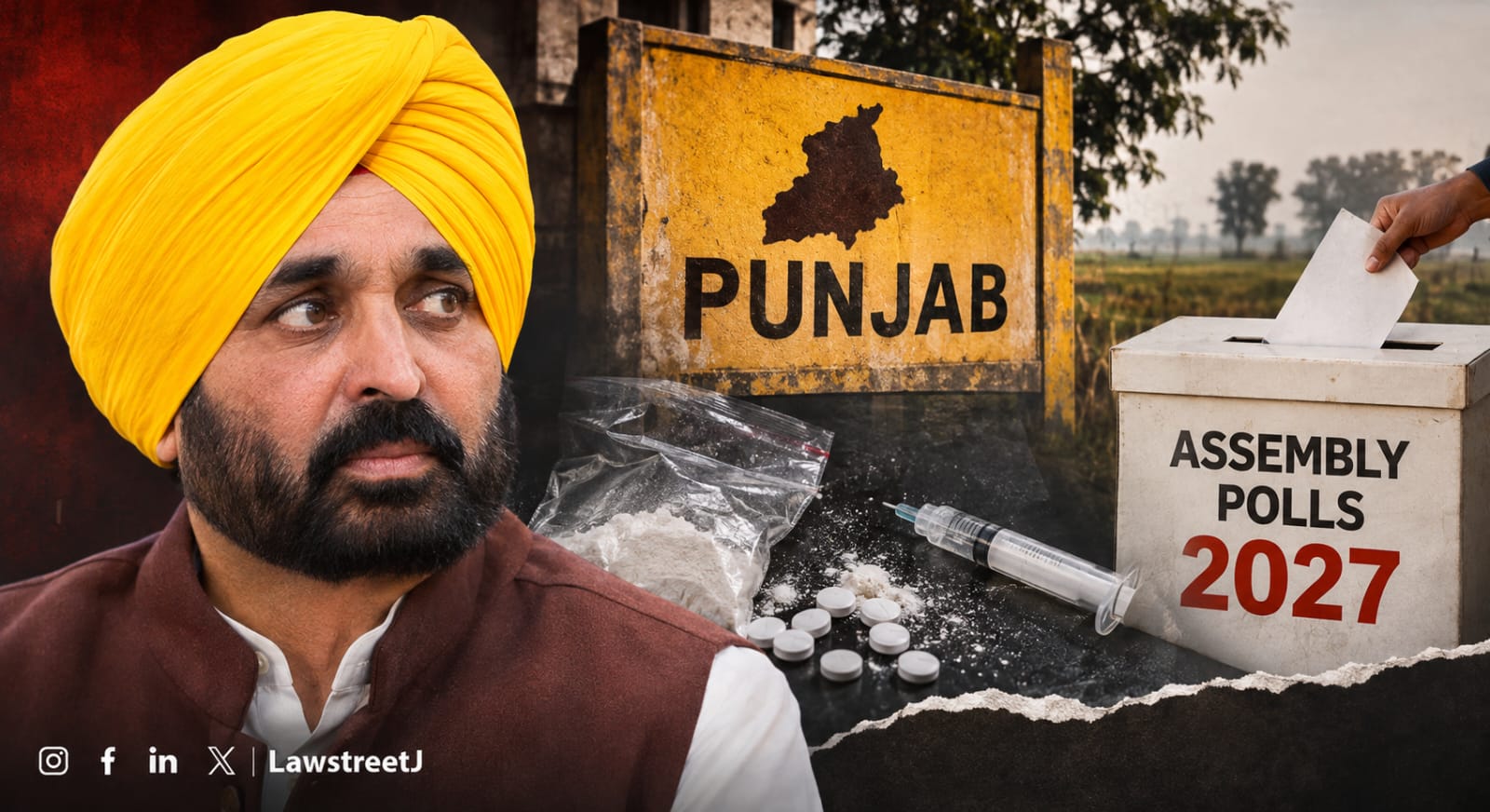
Chandigarh — With elections to Punjab's 117-member Assembly due in early 2027, the drug menace has moved to the centre of political debate, with the ruling Aam Aadmi Party (AAP) pointing to a sweeping police campaign and opposition parties accusing the government of failing to eliminate the problem. All major parties have made drugs a plank of their outreach.
Why the Issue Carries Political Weight
Reporting on the pre-election climate says opposition parties, including the Shiromani Akali Dal (SAD), the Bharatiya Janata Party (BJP) and the Congress, all plan sustained campaigns on the issue. Party-cited internal surveys, reported by the Economic Times and not independently verified, suggest nearly a third of surveyed voters have been affected by drug abuse in some way, a claim that explains why parties see the issue as capable of mobilising both emotion and votes at once.
The issue has repeatedly shaped Punjab elections. Before the 2012 Assembly polls, Congress leader Rahul Gandhi claimed that 70 percent of the state's youth were drug addicts, a statement the then SAD-BJP government denied, saying it was an attempt to defame Punjab. Before the 2017 polls, Congress leader Amarinder Singh pledged to "finish" the drug menace within four months of coming to power, while AAP also promised eradication as a priority. Commentary on that period traced the problem's roots to the nearly two decades of militancy in the 1980s and 1990s. In 2022, AAP won on a platform that included a promise to end the drug problem, Union Home Minister Amit Shah has since alleged that Chief Minister Bhagwant Mann promised to eradicate drugs within three months of taking power.
The Government's Case: "Yudh Nashian Virudh"
The Mann government launched "Yudh Nashian Virudh" (War Against Drugs) on March 1, 2025. According to figures released by Punjab Police on September 14, 2026, the force registered 60,582 FIRs and arrested 79,784 alleged drug smugglers since the campaign began, including 708 "big fish" in 354 commercial-scale cases, and recovered more than 3,800 kg of heroin. Police said the campaign was on its 598th day on October 20, with 138 arrests recorded that day alone.
The government says enforcement is paired with treatment. More than 10,000 drug users, 10,656 by an official count in July 2026, have been granted immunity from prosecution under Section 64A of the Narcotic Drugs and Psychotropic Substances (NDPS) Act after voluntarily undergoing de-addiction treatment. Police have also claimed an 89 percent conviction rate in NDPS cases decided in 2026, which they described as the highest in the country. These are official or police-reported figures; the opposition disputes the government's characterisation of the campaign's success.
At the same time, the Supreme Court had, months earlier, expressed concern over the continuing drug problem in Punjab, according to reporting on the state's crackdown.
The Opposition's Attack
The opposition has mounted a sustained attack on the AAP government. SAD's Harsimrat Kaur Badal launched the "Maawan Dheeyan Insaaf Yatra," saying the mothers and daughters of Punjab had united against drugs and against AAP, which she said had failed to protect their children. A senior SAD functionary told the Economic Times the party is proposing that women lead the fight against drugs, including through a separate ministry headed by women, and noted that the party has been out of power for a decade. The Akali Dal Waris Punjab De, led by Khadoor Sahib MP Amritpal Singh, has claimed it alone could eradicate the menace.
The BJP has said it will fight the election on "Nasha Mukt Punjab" (drug-free Punjab), launching an anti-drug yatra. Shah, on his second visit to Punjab in three weeks on Dussehra, repeated his claim that a BJP government would eradicate the drug menace by December 31, 2029.
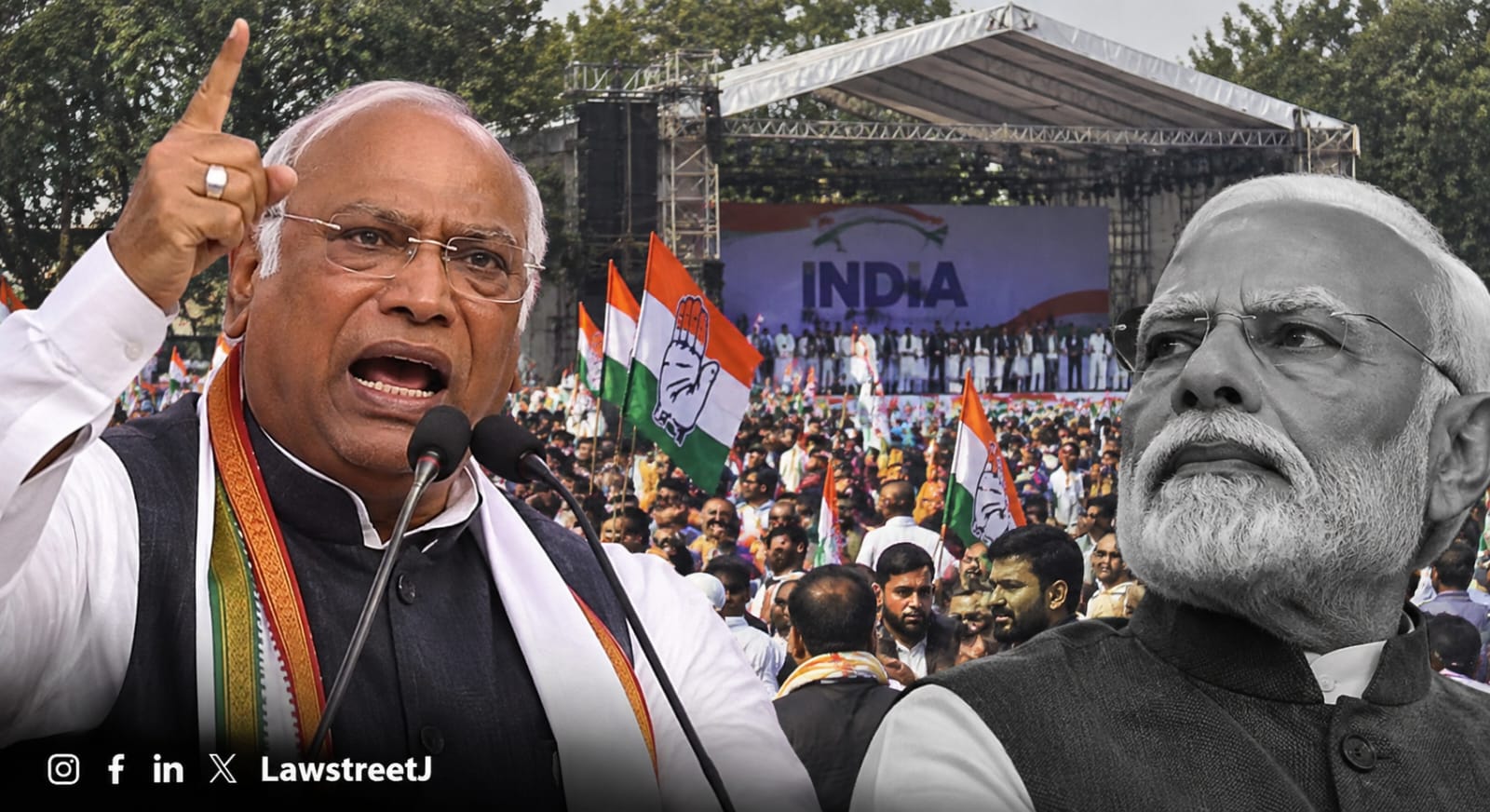
Punjab Congress president Pargat Singh has questioned the BJP-led Centre and Shah over the growing drug trade across the country and the illegal sale of pharmaceutical drugs, asking why Punjab is remembered only when elections approach. Rahul Gandhi and Mallikarjun Kharge had separately raised the drug problem in Punjab during the 2024 Lok Sabha campaign, with Kharge calling it the biggest challenge to the state's future.
AAP has responded by accusing rivals of politicising the issue. Mann accused the BJP of "defaming" Punjab and asked it to check drug supplies in Gujarat and other BJP-ruled states. AAP Punjab media in-charge Baltej Pannu said blaming Punjab alone exposes the BJP's "political mindset," and called the fight against drugs a battle involving the entire society.
In the Assembly, AAP legislators targeted SAD leader Bikram Singh Majithia, whom the state Vigilance Bureau arrested in a disproportionate assets case, and the previous Congress government. Congress's Partap Singh Bajwa accused the government of "misleading people" and said it had "nothing to show." Mann told the House the drug peddlers' network had strengthened over the years because of "political patronage" under the previous government. These exchanges are allegations by political actors, not findings by any court.
Legal and Constitutional Framework
Drug offences are prosecuted under the NDPS Act, 1985, which prescribes severe punishment for trafficking and sets stringent conditions for bail in commercial-quantity cases. Section 64A, central to the government's rehabilitation push, gives immunity from prosecution to addicts charged with consumption or small-quantity possession offences, provided they voluntarily seek treatment.
Article 47 of the Constitution, a Directive Principle of State Policy, directs the State to endeavour to bring about prohibition of the consumption of intoxicating drugs injurious to health, except for medicinal purposes. While police and public health are state subjects, the Centre's agencies, including the Narcotics Control Bureau, and its control over borders and international trafficking routes give it a significant role, which is why the question of responsibility, state or Centre, features in the parties' exchanges. Once the Election Commission announces the poll schedule, the Model Code of Conduct will govern the parties' campaign and the government's announcements.