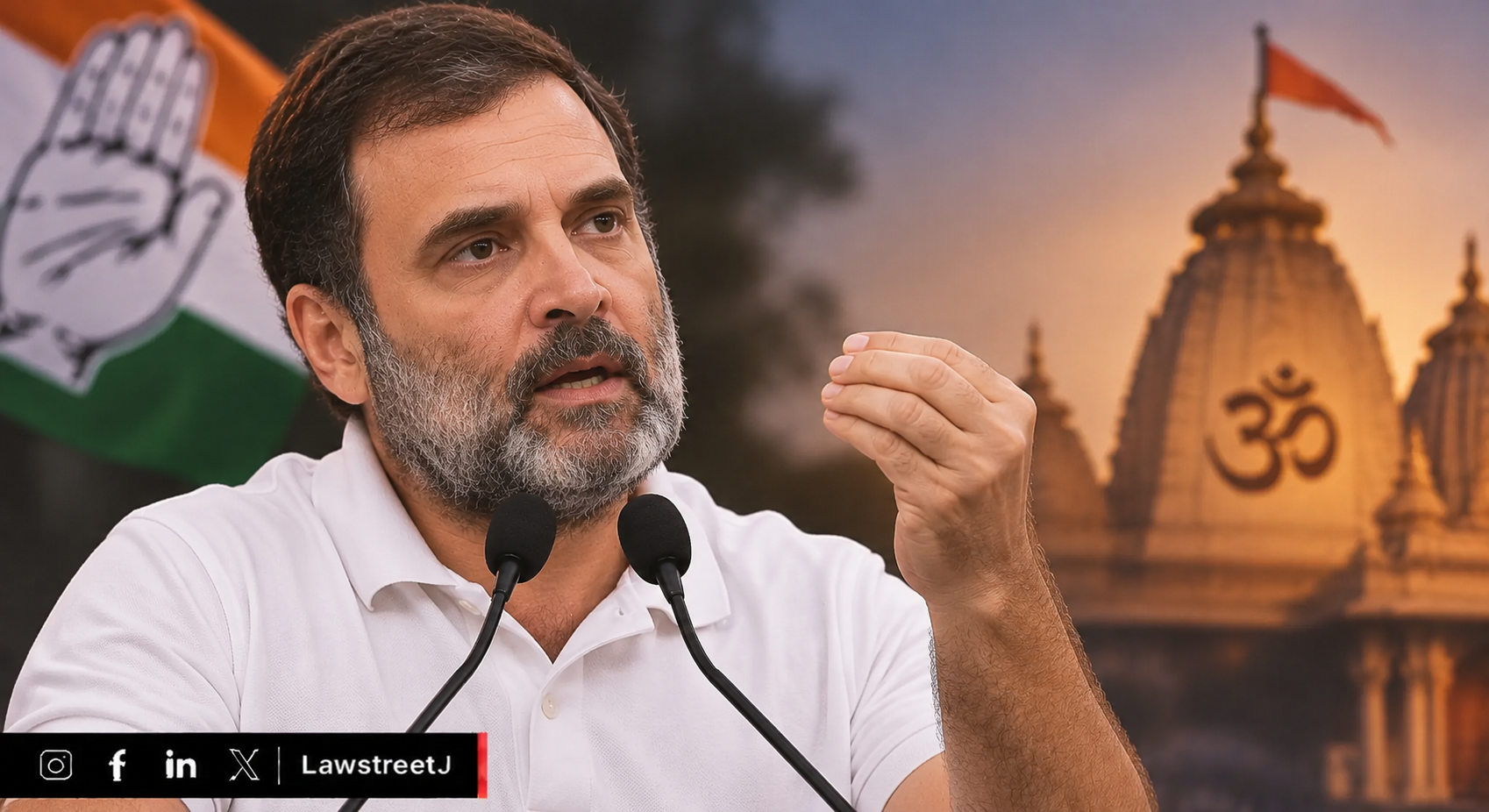

NEW DELHI: Leader of the Opposition in the Lok Sabha Rahul Gandhi has responded to the political controversy surrounding his remarks about the affectionate relationship between his parents, Sonia Gandhi and former Prime Minister Rajiv Gandhi, invoking his Hindu faith and sharing an image depicting Goddess Parvati seated on Lord Shiva’s lap.
In a post on X on November 17, Rahul accused supporters of the Bharatiya Janata Party (BJP) and the Rashtriya Swayamsevak Sangh (RSS) of allowing fear, anger and hatred to prevent them from expressing and experiencing love.
“Fear, anger and hatred have woven a web in the hearts of BJP and RSS supporters that stops them from experiencing and expressing love,” he wrote. He added: “As a true Hindu, it is my duty to free them from this web, so that they too can start to experience the breathtaking beauty and joy of love and belonging in their lives.”
The Congress leader ended his post with the words “Satyam Shivam Sundaram” and shared an image of a temple sculpture depicting Lord Shiva and Goddess Parvati together on Nandi, Shiva’s sacred bull. The post came a day after his remarks at the formal launch of Sonia Gandhi’s memoir, Belonging: A Journey of Love, in New Delhi triggered criticism from BJP leaders and an intense debate on social media.
What Rahul Gandhi Said About His Parents
At the memoir launch on November 16, Rahul recalled the everyday affection between his parents and described how Sonia Gandhi would sit on Rajiv Gandhi’s lap during family meals. Recalling his childhood, he said: “At every meal, there would be Papa, and on Papa’s lap there would be Mama. I thought this was a normal thing.”
He explained that the habit seemed so ordinary to him that, when visiting friends’ homes, he would wonder why their mothers did not sit on their fathers’ laps. Rahul presented the anecdote as a personal memory of the relationship between his parents rather than a political statement. He also spoke about the close bond between the two and recalled that he and his sister, Priyanka Gandhi Vadra, had witnessed their parents argue only once.
According to his account, the disagreement occurred when Rajiv Gandhi was speaking to Captain Amarinder Singh, who later became Punjab Chief Minister. Sonia Gandhi was trying to communicate something to her husband and repeated herself several times, causing Rajiv to become stressed.
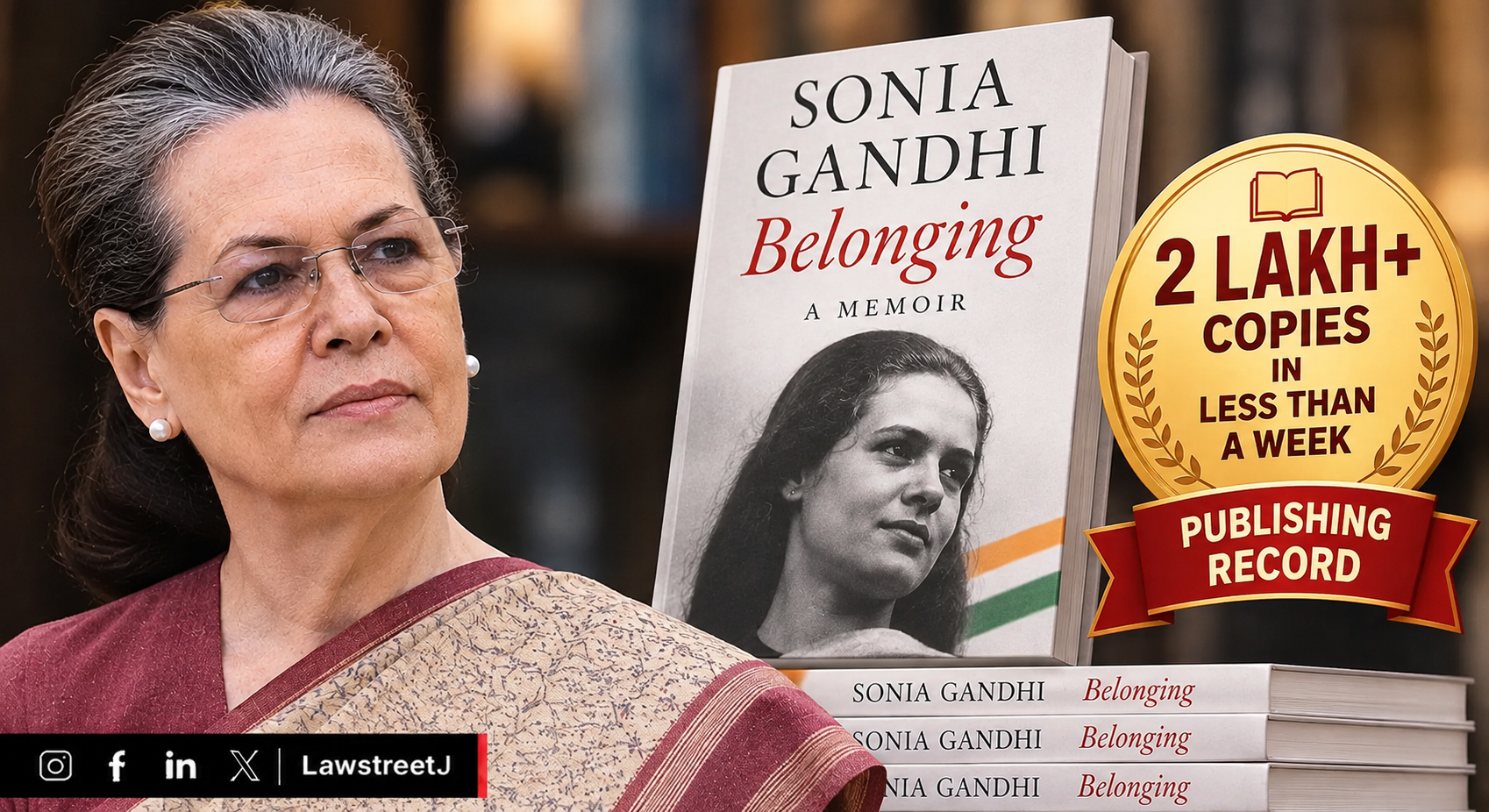
The remarks were made during the launch of Sonia Gandhi’s memoir, which documents her personal experiences, family life and journey in India.
BJP Leaders Criticise Rahul, Himanta Sarma Takes a Swipe
The comments drew criticism from several BJP leaders, who questioned Rahul’s decision to share such a personal family anecdote at a public event. Assam Chief Minister Himanta Biswa Sarma took a swipe at the Congress leader in a post on X, addressing Sonia Gandhi directly.
“Sorry, Ma’am, he couldn’t spare you the embarrassment even on such a special day of your life,” Sarma wrote, adding that the country had already figured out Rahul’s political image. BJP national executive committee member Anirban Ganguly also criticised the remarks, describing them as “shamelessness disguised as simplicity”.
The criticism subsequently extended to Rahul’s use of Hindu religious imagery. Responding to his post, Sarma argued that no member of the Gandhi family, or any human being, could be equated with Hindu deities. He said portraying ordinary people as Lord Shiva and Goddess Parvati was not an expression of devotion but reflected arrogance.
The BJP also questioned Rahul’s choice of the Hoysala-era sculpture. In a response on social media, the party raised questions about the historical destruction of temples at Halebidu and referred to invasions associated with Malik Kafur and Muhammad bin Tughlaq.
These exchanges turned a personal anecdote about the relationship between Sonia and Rajiv Gandhi into a wider political argument involving religion, cultural heritage and public expressions of affection.
Congress Defends Message of Love and Equality
The Congress defended Rahul Gandhi’s remarks, arguing that his comments had opened a discussion about affection, companionship and equality within relationships. The party said that love need not be hidden and that affection should not be treated as a weakness. It also referred to depictions of Shiva-Parvati and other divine couples in Hindu traditions to support its argument that women are represented as companions and equals.
Rahul’s response has received mixed reactions online. While BJP supporters and other critics questioned the appropriateness of his original remarks and subsequent religious imagery, supporters described his comments as an attempt to normalise affection between married couples.
The episode has also highlighted how personal remarks by senior political leaders can quickly become subjects of wider political and cultural disputes.
For Rahul Gandhi, the response was an attempt to shift the debate from the personal nature of his childhood memory to what he described as the importance of love, belonging and equality. The BJP, meanwhile, has continued to challenge both his remarks and his use of Hindu religious symbolism.