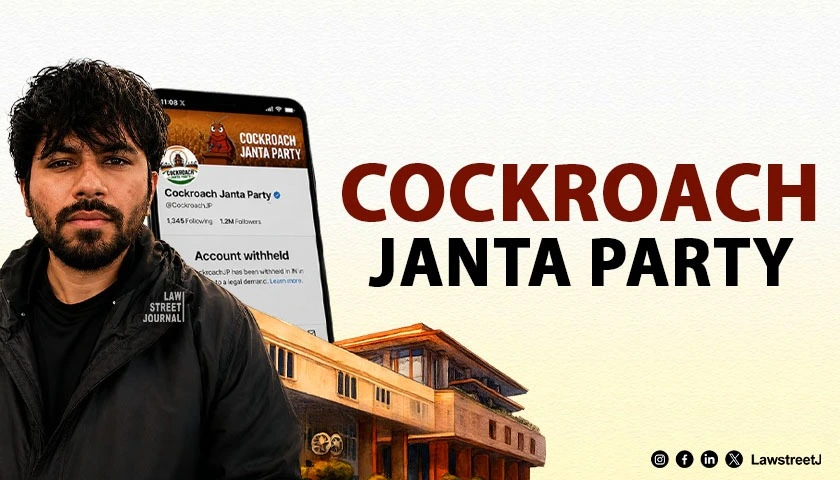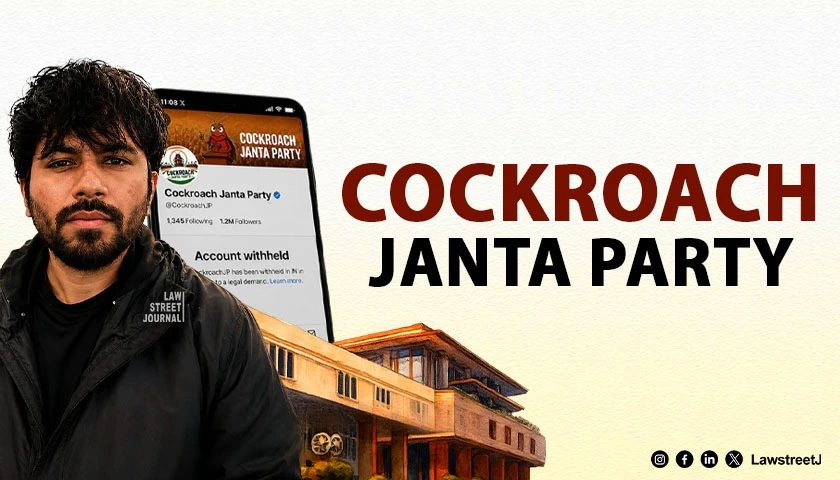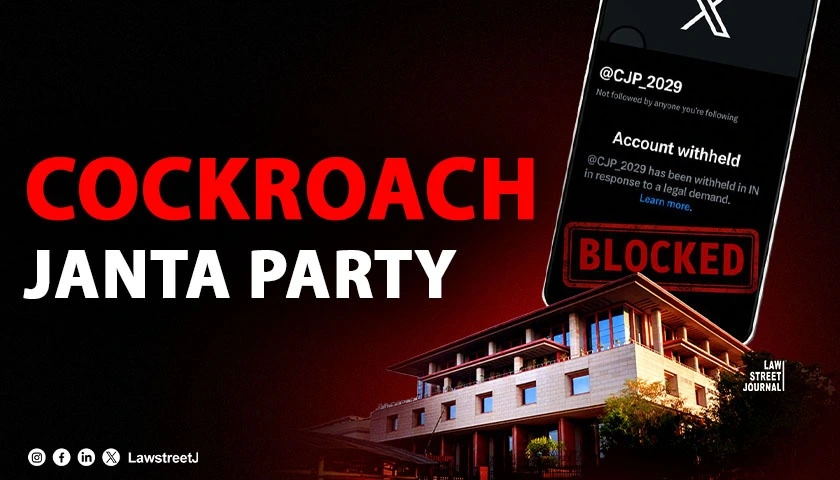
New Delhi | The opening day of the Monsoon Session of Parliament was supposed to be about legislative business. Instead, it became one of the most turbulent days in central Delhi in recent years, with thousands of protesters, tear gas, lathi charges, metro station closures, internet restrictions, more than 70 detentions, Lok Sabha adjourned four times, and a CJP delegation meeting a Union minister even as police cleared the streets outside.
Here is everything that happened, from morning to night.
Morning: Thousands Gather Despite the Ban

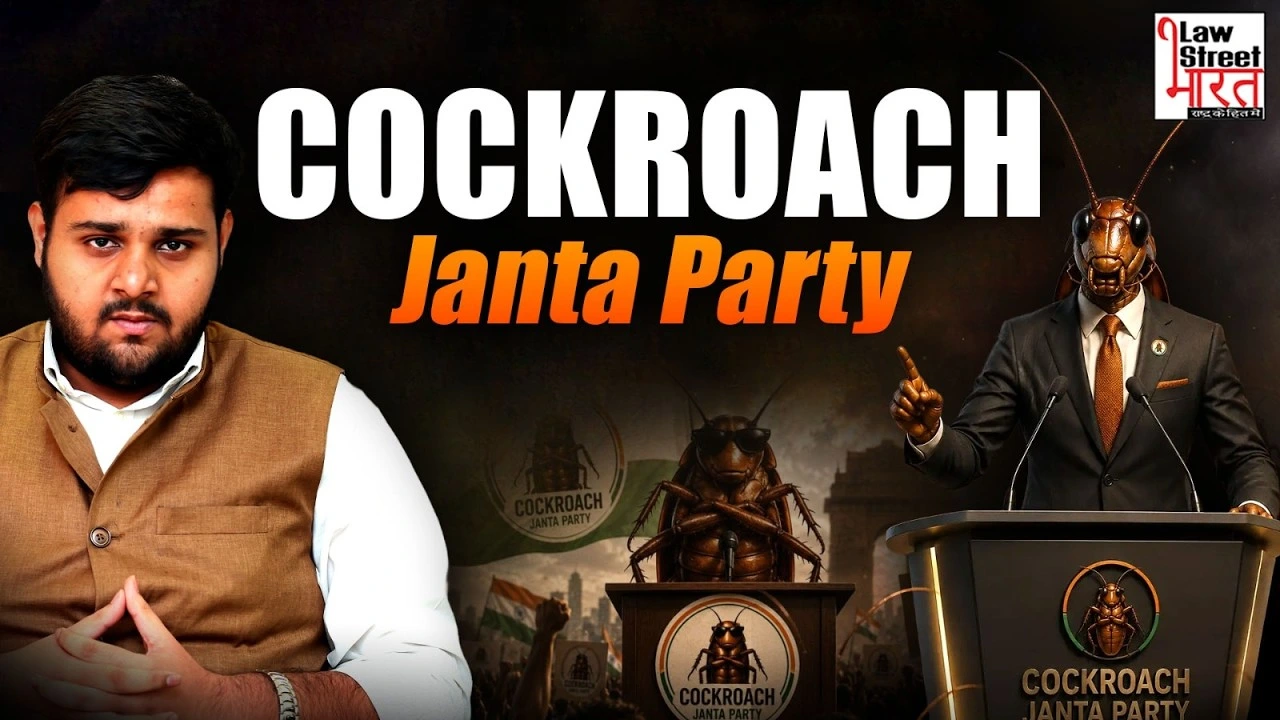
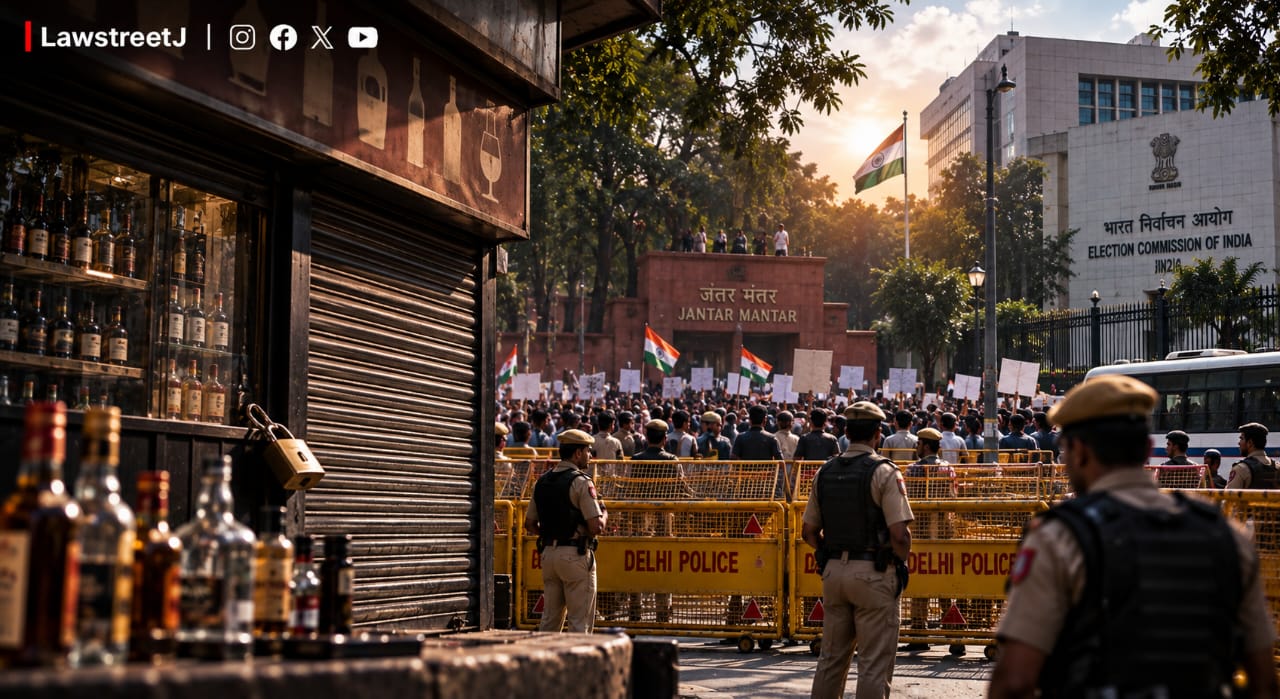
Thousands gathered for the CJP's 'Chalo Sansad' march, demanding accountability over examination irregularities and broader governance issues. They came from across the country, students, parents, and senior citizens arriving at Jantar Mantar in the early hours of the morning, many travelling overnight from other cities. Heavy rain did not stop them. Students, parents and senior citizens from across the country gathered in Delhi and marched from Jantar Mantar towards Parliament despite heavy rain and tight security.
Delhi Police had denied permission for the march and imposed prohibitory orders under Section 163 of the Bharatiya Nagarik Suraksha Sanhita across the New Delhi district. More than 100 police personnel and Rapid Action Force teams were deployed at Jantar Mantar, with additional forces stationed along Parliament Street, Shastri Bhawan, and every approach road toward Sansad Marg.
From Safdarjung Hospital, Sonam Wangchuk hospitalised the previous day after 21 days on hunger strike, posted a handwritten note calling on supporters to proceed with the march regardless. CJP founder Abhijeet Dipke, who had separately been on his own hunger strike, ended it that morning on Wangchuk's urging to conserve energy for the day's events.
Protesters flooded Mandi House Metro Station, raising slogans inside the station itself, with videos circulating online showing crowds chanting "Inquilab Zindabad" inside the station concourse.
Mid-Morning: Barricades, Breach Attempts, and Tear Gas

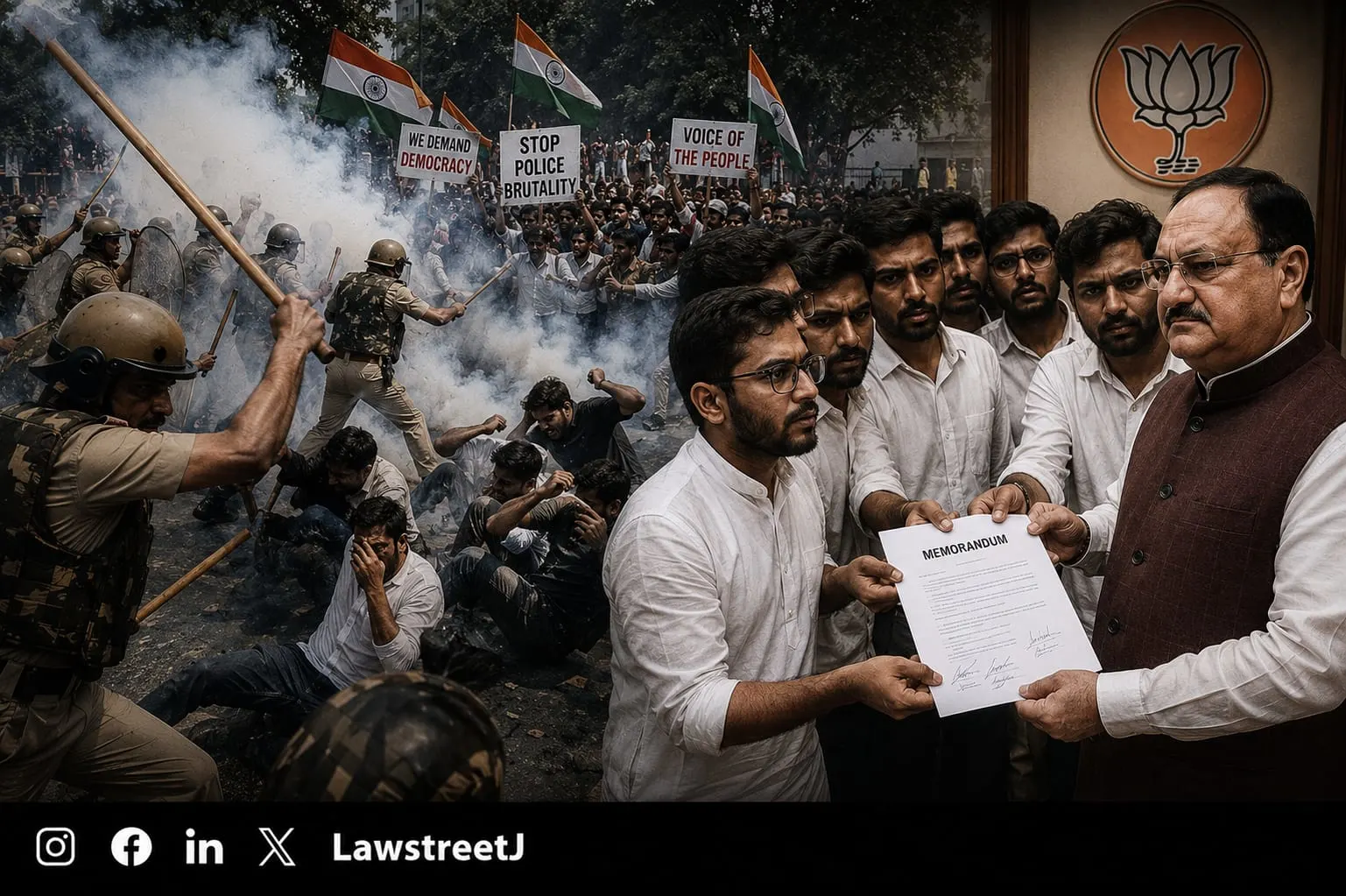
As the crowd swelled and protesters began pushing toward the routes leading to Parliament, Delhi Police erected multiple layers of barricades along Parliament Street and connecting roads. Police used tear gas and baton charges after protesters attempted to breach security cordons.
Security forces used tear gas shells near Shastri Bhawan after several protesters allegedly tried to push through security barricades to reach Jantar Mantar and join the CJP's march. Several commuters were stranded inside nearby metro stations after access was restricted and station gates were closed as a precautionary measure.

Internet services were restricted in parts of central Delhi. Metro station gates at multiple stops in the central Delhi area were closed. Traffic came to a standstill across large sections of the city. The clash erupted after CJP protesters allegedly pelted stones at the security personnel, prompting a lathi charge, police sources said. However, videos online show police personnel themselves throwing stones at protesters.
One image and video that went viral showed a young man in a T-shirt standing face-to-face with a group of armed police personnel, repeatedly saying "maaro sir, maaro sir", beat me, sir. The viral video showed the man repeatedly saying "maaro sir, maaro sir" as he stood in front of lathi-wielding security personnel. The footage became one of the defining images of the day, circulating across social media platforms with millions of views by evening.
Afternoon: Injuries, Detentions, and a Delegation Meets Nadda
More than 50 police personnel and over 50 protesters were injured on Monday, July 20, after security personnel used force against Cockroach Janata Party supporters during the "Chalo Sansad" march. Over 100 protesters were detained and were moved to different police stations in Delhi.

CJP says Abhijeet Dipke was detained by Delhi Police, a claim the party confirmed through its spokesperson Saurav Das at 2:45 p.m. The party then clarified at 3:20 p.m. that Dipke was "neither detained nor arrested."
At 2:30 p.m., even as the clashes continued on the streets, a parallel development unfolded inside a government building. CJP representatives met Union Health Minister JP Nadda to submit their demands.
During talks with Union Minister JP Nadda, CJP representatives placed three key demands: that Sonam Wangchuk be allowed to leave Safdarjung Hospital and return to Jantar Mantar to address supporters; the resignation of Union Education Minister Dharmendra Pradhan; and ₹1 crore compensation for the families of NEET aspirants who allegedly died by suicide following the exam paper leak.
Nadda confirmed talks with CJP and said the delegation submitted a written petition. He appealed to protesters to end their sit-in and help restore normalcy. He said he would discuss the issue but made no commitments.

Simultaneously, Dharmendra Pradhan met Amit Shah, the Education Minister and Home Minister in closed-door discussions, the substance of which was not disclosed.
CJP shared video from Parliament premises, urging the Centre not to use force on protesters, saying: "Please don't shoot at our country's youth."
At 4 p.m., scores of protesters were injured in police action and visuals went viral. CJP alleged that Wangchuk's wife Gitanjali Angmo was assaulted during the crackdown. Delhi Police dismissed as false allegations that a woman had been assaulted and that 40 to 50 protesters including a 12-year-old girl had been injured in a specific incident, urging people not to circulate unverified claims.
Parliament: Four Adjournments, Rajya Sabha Washed Out
Inside Parliament, the Monsoon Session's first day was consumed entirely by the protest outside its gates. Lok Sabha was adjourned four times on Day 1 of the Monsoon Session amid Opposition protests over the alleged NEET paper leak and Ram temple donation theft. Rajya Sabha was washed out entirely.
Parliament gates were shut as security personnel closed entrances, a visual that opposition members cited as symbolising how far the government had gone to insulate itself from the protest happening just metres away from the gates of India's legislature.
Opposition parties raised the NEET issue inside both chambers, demanding a statement from the government and the resignation of Dharmendra Pradhan. No such statement was made on the floor of either house on the session's opening day.
Evening: Jantar Mantar Cleared, Protests Continue Elsewhere

After using tear gas and lathi charges to disperse protesters at around 4 pm, police cleared Jantar Mantar. CJP leaders vowed to continue the agitation, saying the march had not ended, it had merely been paused.
A protest was held at Mahatma Gandhi Chowk in Latur on Monday seeking the resignation of Union Minister Dharmendra Pradhan for alleged irregularities in the education sector and exam paper leaks. Similar gatherings were reported in other cities, indicating that the Delhi clashes had not ended the movement nationally, if anything, images of the police action appeared to be expanding support.
From Safdarjung Hospital, Wangchuk posted again, vowing to continue his fast. Protesters vowed to continue until their demands are met.
The Three Demands on the Table
The memorandum submitted to JP Nadda on Monday crystallised the movement's formal demands into three specific points:
First, the unconditional release of Sonam Wangchuk from Safdarjung Hospital, with no restrictions on his movement and his return to Jantar Mantar to address supporters directly.
Second, the removal, whether through resignation or dismissal of Union Education Minister Dharmendra Pradhan, on grounds of ministerial accountability for the NEET-UG 2026 paper leak and the broader pattern of examination system failures under his tenure.
Third, ₹1 crore compensation for the families of NEET aspirants who allegedly died by suicide in the period following the paper leak, a demand that placed individual human tragedies at the centre of what had been primarily framed as a systemic policy failure.
Nadda made no commitment on any of the three demands during the meeting. The government's public position as of Monday evening remained unchanged: the retest was conducted on June 21, the CBI probe is ongoing, and the minister retains the government's confidence.
What Comes Next

The CJP has announced it will continue its agitation. Its core political demand, Pradhan's resignation has not been conceded. Wangchuk remains hospitalised and fasting. The Delhi High Court is due to hear a plea filed by Wangchuk's wife regarding the conditions of his hospitalisation.
Parliament's Monsoon Session continues through August, with the NEET controversy expected to dominate proceedings. Opposition parties have announced they will raise the issue daily until the government responds.
The streets around Jantar Mantar were clear by Monday evening. Whether they fill again on Tuesday morning is the question that both the government and the CJP are calculating the answer to, with opposite conclusions.