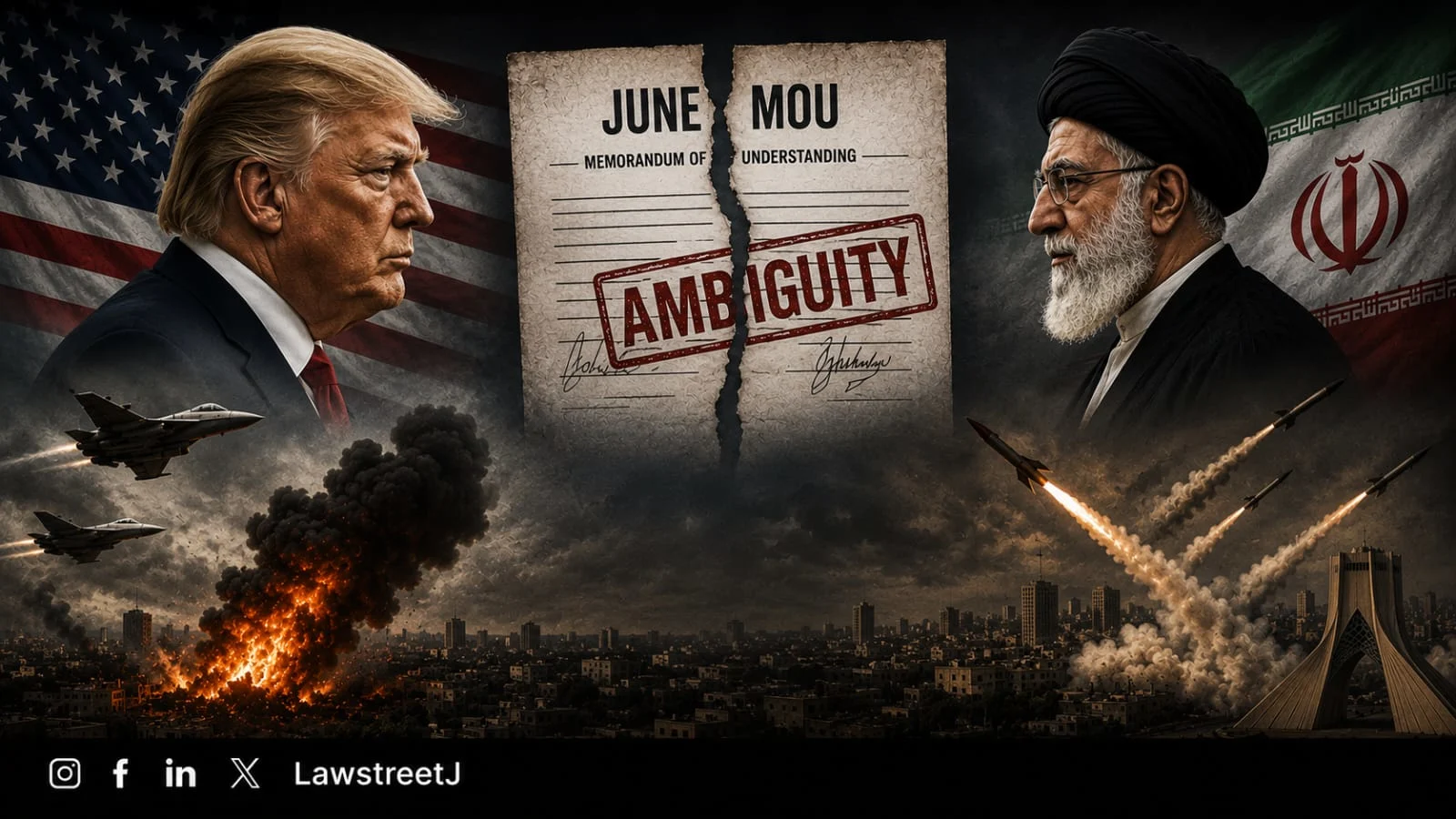
Washington D.C. / Tehran / Strait of Hormuz: The second phase of the US-Iran war did not begin because one side wanted it. It began because a single paragraph in a fourteen-point document, drafted in a hurry, signed in triumph, and read completely differently by each party the moment the cameras left the room, contained within it a contradiction that no amount of follow-up diplomacy has been able to bridge.
The memorandum of understanding signed in mid-June 2026 contained the following provision regarding the Strait of Hormuz: "Upon the signing of this MOU, the Islamic Republic of Iran will make arrangements using its best efforts for the safe passage of commercial vessels with no charge for 60 days only from the Persian Gulf to the Sea of Oman, and vice versa...The Islamic Republic of Iran will conduct dialogue with the Sultanate of Oman to define the future administration and maritime services in the Strait of Hormuz, in discussion with other Persian Gulf littoral states, in line with the applicable international law and the sovereign rights of coastal states of the Strait of Hormuz."
Two phrases in that paragraph contain the seeds of everything that has happened since. The first is "with no charge for 60 days only." The second is "the sovereign rights of coastal states of the Strait of Hormuz."
To Washington, the 60-day provision was a transitional arrangement, a temporary window during which Iran would refrain from charging fees while negotiations produced a permanent framework under which the strait would return to its pre-war status as an international waterway through which all vessels have an unconditional right of transit passage under the United Nations Convention on the Law of the Sea.
To Tehran, the 60-day provision was a temporary concession that explicitly acknowledged something far more important: that after those 60 days, Iran would have the right to define how the strait is administered and what "maritime services" means in practice, including, potentially, the imposition of fees on vessels transiting what Iran regards as waters subject to its coastal sovereignty.
Iran interprets the MoU as Iran controlling who goes where, whereas the US has sought to undermine that and set up essentially a second transit route through the strait. The conflicting interpretations render parts of the MoU contradictory, according to Ryan Costello, the policy director at the National Iranian American Council. "The text of the memorandum itself doesn't exactly say much about how things are going to look during the implementation of the agreement."
How the War Began: February 28 to June 14
To understand the second phase, the first phase must first be understood.
The Iran war began on February 28, 2026 after the United States and Israel conducted airstrikes on various Iranian military targets, which included the assassination of Supreme Leader Ali Khamenei. In response, Iran closed the Strait of Hormuz to all foreign shipping. The Islamic Revolutionary Guard Corps transmitted warnings via VHF radio to vessels in the Straits, stating that "no ship is allowed to pass the Strait of Hormuz."
The Strait of Hormuz, the world's most important artery for shipping oil and natural gas, was largely blocked after the two countries went to war in February. The closure sent oil prices to their highest levels in years, triggered fuel shortages across parts of Asia, and inflicted cascading damage on the global economy through rising transport costs, disrupted supply chains, and energy market volatility.
Operation Project Freedom was a United States military operation launched on May 4, 2026 to escort merchant ships through the strait in response to Iranian attacks on shipping. The operation was temporarily paused on May 5 and was declared the second stage of the Iran war, following the end of Operation Epic Fury, the initial strike campaign against Iranian nuclear and military facilities.
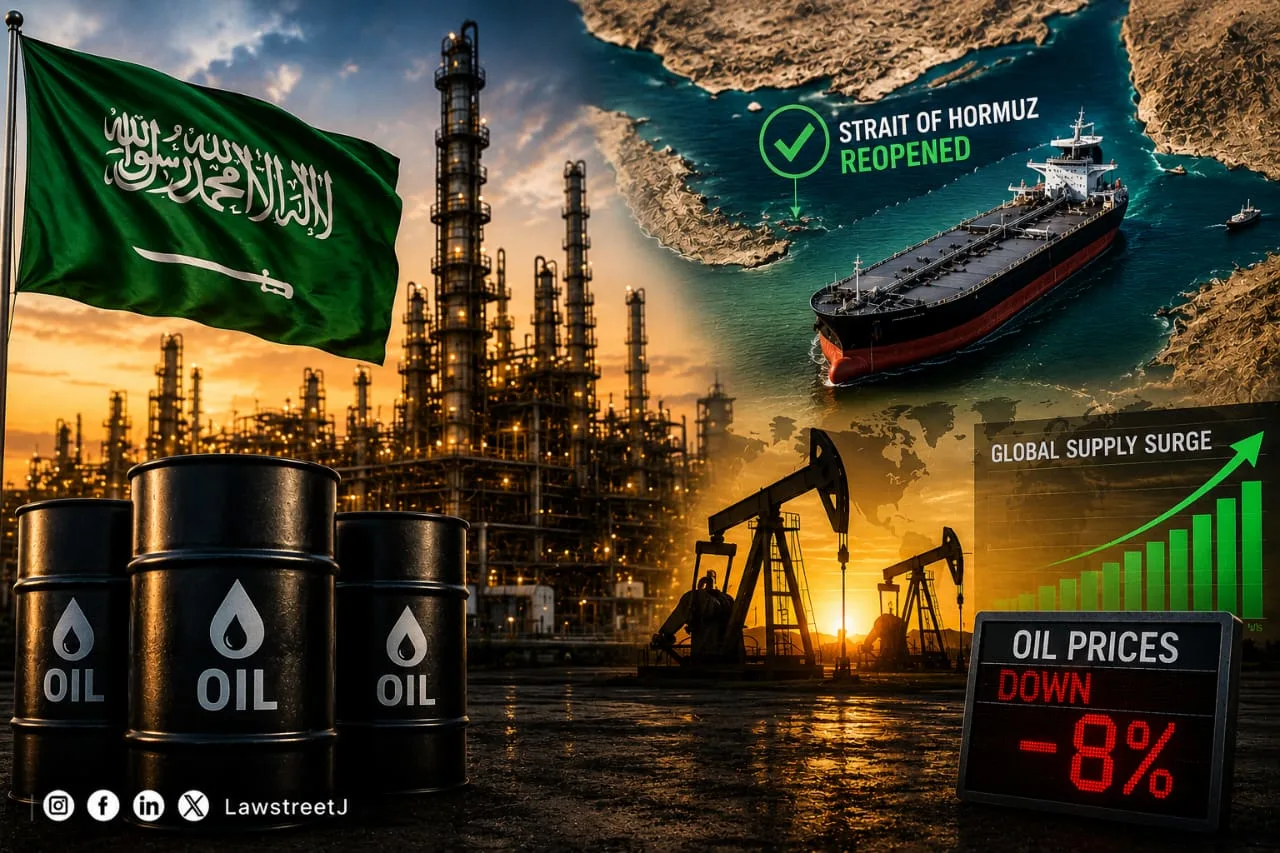
The MoU signed on June 14, the actual signing date, distinct from the Versailles ceremony date referenced in earlier reporting was presented by both sides as the end of active hostilities and the beginning of a sixty-day negotiating window. When the fighting appeared to end with the fourteen-point memorandum in mid-June, markets took a proverbial sigh of relief. The US lifted its naval blockade on Iran, Hormuz was reopened, stocks rose and oil prices began to drop.
The Collapse: From June 25 to July 14
The relief was short-lived. Tensions started to intensify again from the early days of the deal. The immediate sticking point was Israel's refusal to stop its attacks and end its occupation of south Lebanon despite the MoU's explicit call for a region-wide ceasefire and for preserving the territorial integrity and sovereignty of the country.
The first direct challenge to the strait arrangement came within days of the signing. A Singapore-flagged commercial vessel was attacked off the coast of Oman on June 25. The US then launched strikes on southern Iran, and Iran retaliated.
Since the conclusion of the memorandum of understanding in June 2026 that seeks to end the Iran war, Iran has repeatedly threatened and attacked ships passing through the Strait of Hormuz. It hopes to coerce commercial vessels and the international community into following routes and protocols set by Iran that would allow it to control the strait and collect fees on ships passing through.
Iran's activity in the strait provoked strikes by the United States, particularly after three ships were attacked on July 6 and 7. On July 7, as the United States stepped up strikes against Iranian assets, Trump said that he considered the truce to be over. However, the following day he said that the exchange of fire would not lead to long-term military action.
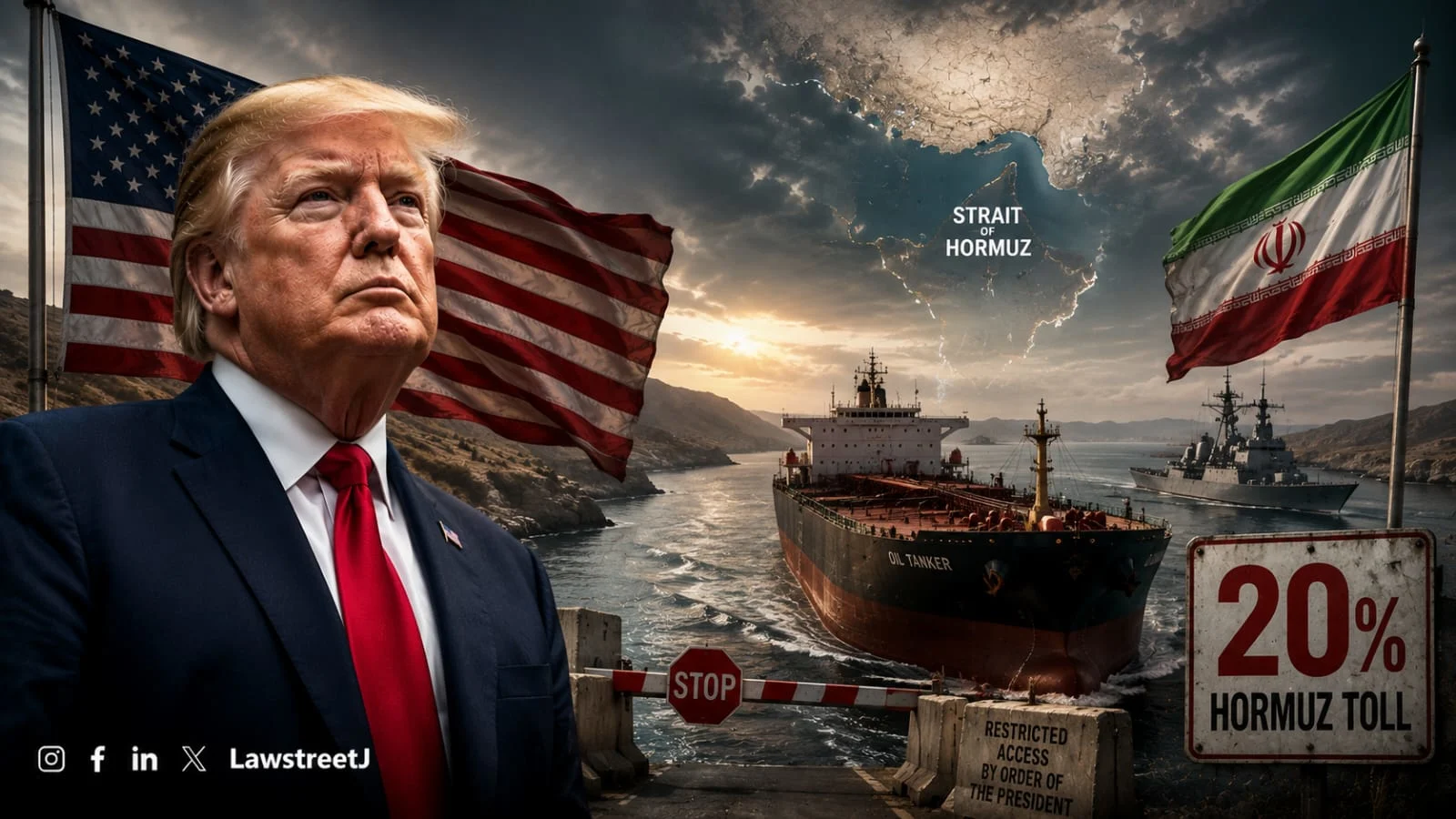
By July 13, the situation had escalated to the point where Trump announced the full reimposition of the US naval blockade and declared America the "Guardian of the Strait of Hormuz", the announcement that formally marked the beginning of what analysts are now describing as the second phase of the war.
The Core Dispute: Who Controls the Strait?
Iran's lead negotiator Ghalibaf has reiterated that "the Strait of Hormuz will not return to pre-war conditions" and that Iran will charge fees for maritime services after the 60-day toll-free window expires around August 17.
The Doha round of indirect US-Iran talks concluded with no sign of headway toward a lasting peace. Both sides focused on issues they said had already been resolved under the MOU, maritime traffic and frozen funds, rather than the nuclear programme that triggered the war.
The legal question at the heart of this dispute is not ambiguous in the mainstream of international maritime law. Under Part III of UNCLOS, which governs international straits, the Strait of Hormuz is classified as a strait used for international navigation connecting one part of the high seas with another part of the high seas. Under Article 38, ships and aircraft of all states enjoy the right of transit passage through such straits. Under Article 44, states bordering straits shall not hamper transit passage and shall give appropriate publicity to any danger to navigation or overflight within or over the strait.
The US military's CENTCOM denied that passage through Hormuz is permitted only via routes designated by Iran. Iran, however, is arguing that its sovereign rights as a coastal state, explicitly referenced in the MoU language, give it the right to define what "maritime services" means in the strait and to charge for those services after the 60-day window expires.
The US-accepted language doesn't officially acknowledge Iranian control of Hormuz, but, if anything, it favors Tehran's interpretation. Professional diplomats would have demanded more specifics, including on the limits of coastal sovereignty over what has long been treated as an international waterway. But the US negotiating team was led by an inexperienced vice president JD Vance, the president's son-in-law Jared Kushner, and a real estate investor Steve Witkoff. Perhaps they thought they could use the ambiguity to their advantage, or that any language was worth getting something they could call a deal.
That assessment, that the Versailles MoU's language was drafted by people with real estate expertise applying it to a maritime sovereignty question that has been the subject of decades of international law, explains much of what has happened since.
Iran's Strategic Calculus: Time, Fees, and the 60-Day Clock
The MoU explicitly states toll-free passage lasts "60 days only", after which Iran and Oman will define future maritime administration. Iran has been consistent and explicit about its interpretation. After August 17, the date on which the 60-day toll-free window expires, Iran intends to charge fees for transit through a waterway it regards as subject to its sovereign maritime jurisdiction.
Iran is already enjoying the removal of the naval blockade the US imposed in April and waivers for US sanctions, thereby facilitating the sale of Iranian oil. They want other economic benefits the MOU promises, but they likely want the strategic and economic benefits of controlling Hormuz more. And time is on Iran's side. Disrupted shipping in the Gulf harms the global economy, and the bigger the economic damage, the more that the US attacking Iran becomes a cautionary tale. For now, countries and companies are covering the oil shortfall by drawing down reserves, but reserves are running out.
The 2026 Strait of Hormuz crisis has resulted in a global fuel crisis, a US-led aerial campaign on Iranian targets along the strait, a US naval blockade of Iran, a US naval escort operation, and the formation of a Persian Gulf Strait Authority. Casualties have included one tugboat sunk, at least 17 merchant ships damaged of which seven abandoned, two merchant ships captured, 12 seafarers killed or missing, and one port worker killed and two wounded in Bahrain.
What the Second Phase Looks Like and Where It Goes
The second phase of the war is structurally different from the first. The first phase was defined by large-scale strikes on Iranian nuclear and military facilities and Iran's initial closure of the strait. The second phase is defined by a continuous, grinding contest over whether the Strait of Hormuz will be treated as an international waterway under UNCLOS or as a commercially controlled passage under Iranian maritime administration.
Maybe Iran re-establishes enough of a threat, including over the Oman corridor, that ships won't risk transit. But that would undo the MOU, which in practical terms means economic benefits for Iran in exchange for allowing ships in and out of Hormuz.
Three possible trajectories now present themselves. The first is that the US military pressure of the reimposed blockade and resumed strikes convinces Iran to accept a permanent UNCLOS-based transit passage regime before the August 17 deadline, an outcome that would require Tehran to publicly abandon the sovereign rights framing it has invested significant political capital in. The second is that Iran accepts a negotiated compromise in which the right of transit passage is maintained but Iran receives some form of economic compensation for maritime safety services, a position Washington has previously described as illegal but which Trump's own 20 percent toll announcement has made considerably harder to oppose on principle. The third is that the August 17 deadline passes with no agreement, Iran attempts to impose fees, the US resists, and the cycle of strikes and closures continues indefinitely.
The Hormuz Strait Monitor's crisis timeline documents that Iran's lead negotiator has stated "the Strait of Hormuz will not return to pre-war conditions", a formulation that suggests Tehran views the war not as a setback to be overcome but as a strategic opportunity to permanently alter the legal and operational status of the world's most important maritime chokepoint.
The clause that started it all, "with no charge for 60 days only", expires on August 17. What happens on August 18 will be determined not by lawyers and diplomats but by the choices made in the coming weeks in the Oval Office, in Tehran's Supreme National Security Council, and aboard the vessels whose crews are, right now, deciding whether the Strait of Hormuz is worth the risk.
Also Read: Explained: Here’s the Full List of Iran’s 10-Point Proposal Behind the U.S.-Iran Ceasefire