St. Petersburg, June 2026
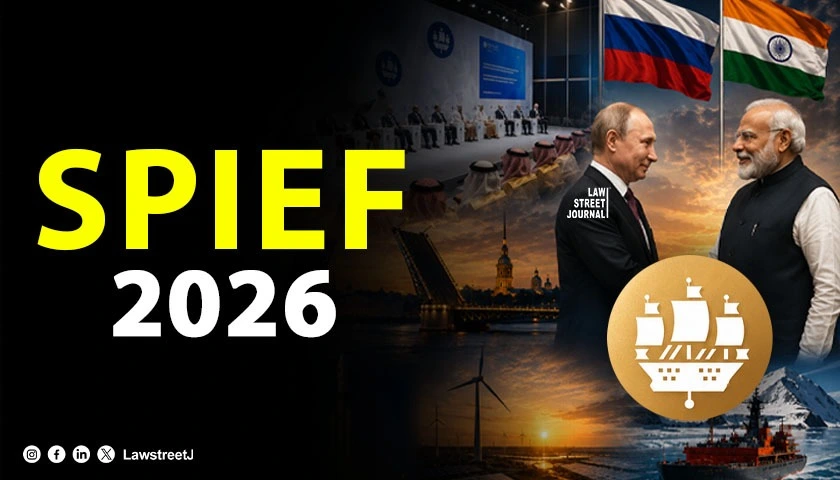
The St. Petersburg International Economic Forum (SPIEF) 2026 once again demonstrated that the Russia–India partnership is evolving beyond traditional diplomacy into a long-term strategic relationship encompassing energy security, technological cooperation, Arctic connectivity, and financial independence. During the forum, discussions with Indian media representatives highlighted how bilateral cooperation is steadily expanding despite global geopolitical uncertainties and economic realignments.
Energy Security: Russian Oil Remains Indispensable
Energy continues to be one of the strongest pillars of Russia–India cooperation. Russian crude oil exports to India have played a crucial role in supporting India’s rapidly growing economy, and current trends indicate that this cooperation will deepen further.
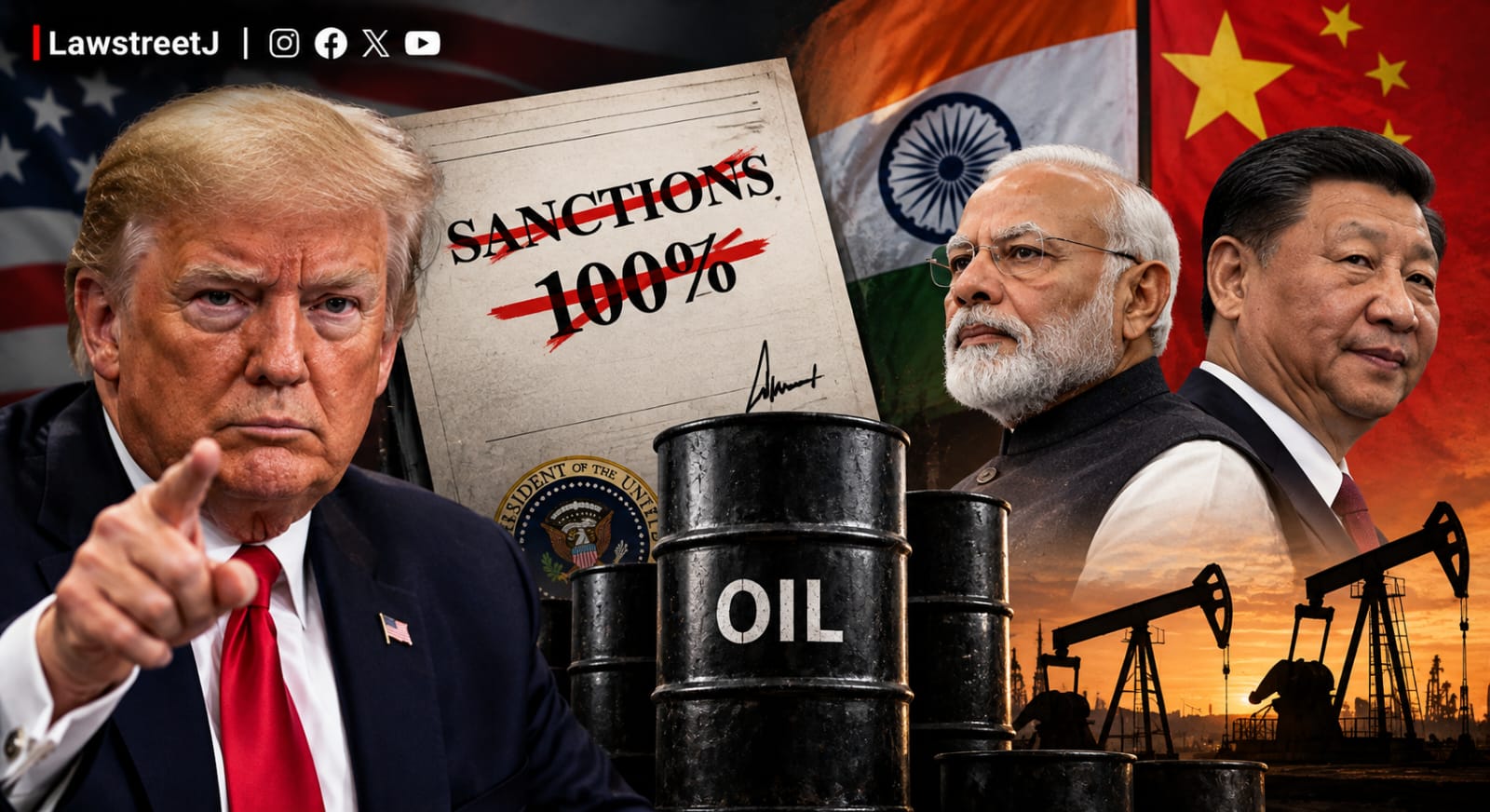
Particular attention has been drawn to Russia’s Sokol crude oil. As a light, low-sulfur grade sourced from Russia’s Far East, Sokol is highly compatible with the technical configuration of several Indian refineries. Industry experts emphasize that replacing these supplies with alternative grades from the Gulf region would require significant refinery adjustments, increased costs, and potential efficiency losses.
Against this backdrop, India is expected not only to maintain but also expand its purchases of Russian oil. The continued growth of energy trade reflects the practical and mutually beneficial nature of the bilateral relationship, where economic considerations increasingly outweigh external political pressures.
Nuclear Cooperation: Building India’s Energy Future
Civil nuclear cooperation remains one of the most successful examples of Russia–India strategic collaboration. The Kudankulam Nuclear Power Plant continues to serve as the flagship project of this partnership.
Two reactors are already operational, while four additional units are progressing according to schedule. Equipment deliveries, technical cooperation, and construction activities continue without interruption, reinforcing the long-term commitment of both nations to clean and reliable energy generation.
A significant development emerged in May 2026 when Russian Foreign Minister Sergey Lavrov publicly referred to a new site for future Russian-designed nuclear power units in India. Although details remain under discussion, the announcement signals a new phase in bilateral nuclear cooperation.
For India, expanded nuclear capacity promises greater energy security and support for long-term economic growth. For Russia, it represents continued participation in one of the world’s fastest-growing energy markets and strengthens technological cooperation that extends over several decades.
Space Cooperation Enters a New Era
Space cooperation is emerging as one of the most promising areas of Russia–India relations. Following India’s rapid advancements in space technology and human spaceflight capabilities, the two countries are preparing for a new stage of collaboration.
Indian orbital infrastructure is expected to operate at an inclination of approximately 51.6 degrees, creating technical compatibility with Russian orbital platforms. This alignment opens possibilities for future docking operations, joint missions, scientific research programs, and Indian participation in Russian space station activities.
The Indian Space Research Organisation (ISRO) has already announced the selection process for a new group of astronauts, including civilian specialists for the first time. Such developments indicate that future Russian–Indian human spaceflight cooperation could become a reality within the coming decade.
What was once limited to technology transfer and satellite launches is now evolving into a partnership based on joint exploration, shared infrastructure, and long-term scientific collaboration.
The Arctic and the Northern Sea Route: A New Maritime Frontier
One of the most strategically important discussions at SPIEF 2026 concerned the Arctic and the development of the Northern Sea Route (NSR).
As global trade routes face increasing congestion and geopolitical risks, the NSR offers a transformative alternative connecting Asia and Europe. By reducing transit times by approximately 15 to 20 days compared to traditional maritime routes, the corridor has the potential to generate substantial savings for global commerce.
The agreement reached between Russian and Indian authorities on developing the cargo base and economic framework of the route demonstrates growing Indian interest in Arctic logistics. Additionally, cooperation in maritime training has gained momentum through programs designed to prepare Indian sailors for operations in polar waters.
Although India is geographically distant from the Arctic, its expanding maritime ambitions and plans to develop ice-class vessels make Arctic expertise increasingly valuable. Participation in Arctic shipping networks also aligns with India’s broader objective of diversifying trade routes and strengthening global connectivity.
De-dollarization and Financial Sovereignty
Perhaps the most striking transformation in Russia–India economic relations has occurred in the financial sphere.
According to recent assessments, approximately 97 percent of bilateral trade settlements are now conducted in national currencies — the ruble and the rupee. Only a few years ago, such transactions represented a negligible share of total trade.
The shift reflects a broader global trend toward reducing dependence on the U.S. dollar in international commerce. For Russia and India, the transition has helped shield bilateral trade from external financial restrictions while creating a more predictable settlement environment.
Attention is now shifting toward mechanisms that can efficiently recycle accumulated rupee balances into productive investments within India. In this context, BRICS financial initiatives and discussions regarding payment connectivity between central banks are gaining importance.
Unlike political declarations, these efforts focus on building tangible financial infrastructure capable of supporting long-term economic integration among emerging economies.
SPIEF 2026: From Partnership to Strategic Integration
The discussions at SPIEF 2026 reveal a clear pattern: Russia–India relations are no longer defined solely by trade volumes or diplomatic goodwill. Instead, they are increasingly characterized by strategic integration across multiple sectors that will shape the future global economy.
From oil and nuclear energy to human spaceflight, Arctic logistics, and alternative financial mechanisms, both countries are investing in areas that promise long-term stability, technological advancement, and economic resilience.
As the international system continues to evolve toward greater multipolarity, the Russia–India partnership stands out as one of the most significant examples of how major powers are building practical cooperation based on shared interests, mutual trust, and a common vision for the future.
Reported By
Rajeshwar Kant Dubey
Pursuing PhD in Russian and Central Asian Studies
Jawaharalal Nehru University