The Karnataka High Court recently addressed a growing administrative concern arising from severe overcrowding in Courtroom No. 14. On June 19, 2026, Justice M. Nagaprasanna held a direct interaction with members of the Bar to explore practical solutions to the persistent space constraints affecting the courtroom. Clarifying that the matter was being considered as an administrative issue rather than a formal grievance, the Judge expressed his willingness to adopt feasible suggestions from advocates to ensure smoother court functioning and better accessibility for all stakeholders.
The discussion was initiated after Senior Advocate K.N. Phanindra highlighted the physical difficulty advocates face when trying to move or sit. He observed that the courtroom becomes particularly congested in the latter half of the day, making it nearly impossible for lawyers to find a place to stand, let alone sit. This lack of space significantly hinders the ability of legal professionals to effectively represent their clients.
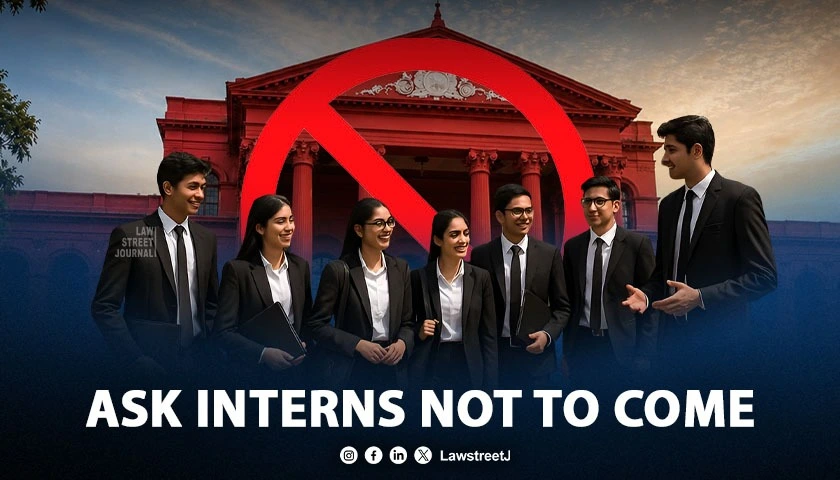
A specific point of contention involved law interns occupying seating reserved for practicing advocates. Justice Nagaprasanna remarked that interns should not be taking these chairs and suggested they might be asked not to attend if the situation does not improve.
“What should I do with interns? Ask them not to come. They can’t occupy the chairs,”
Senior Advocate Phanindra noted that he personally had to request interns to vacate seats, adding that basic courtroom decorum and etiquette are often missing from law college curricula.
To manage the daily influx of people, the court proposed a staggered entry system for parties involved in settlement cases. Justice Nagaprasanna suggested that settlement parties should not enter the courtroom before 4:00 PM. He estimated that this measure, which could be enforced with the help of police personnel, would immediately reduce the courtroom crowd by approximately 25 per cent.
The Bar also discussed the complexity of the current cause list management. Senior Advocate Phanindra suggested using a single, continuous cause list to ensure matters are called in a predictable sequence, rather than switching between multiple lists. However, Justice Nagaprasanna explained that the current system of multiple lists covering fresh matters, admissions, and leftovers was created following specific requests from lawyers for daily hearings of new cases.
He also recalled that overcrowding was previously less severe when fresh matters were restricted to specific days of the week. The shift to daily listings, while intended to facilitate faster justice, has significantly increased the load on the court's infrastructure. Additional Solicitor General Arvind Kamath proposed a clearer distinction between morning and afternoon sessions in the cause list to prevent people from gathering too early.
The court expressed reservations about the practicality of such a strict split due to the high volume of daily filings and memos for urgent hearings. Justice Nagaprasanna further highlighted the personal toll of case management, mentioning that judges are overworking, often staying until 9:30 PM and continuing to read files at home to prepare for the next day.
The court assured the Bar that it would continue to explore administrative measures to remove space constraints and improve accessibility. A solution may require a period of trial and error to balance the efficiency of daily hearings with the physical limitations of the courtroom.


![Karnataka High Court: Cabinet Rank Status Not Equivalent to Ministerial Position [Read Order]](/secure/uploads/2023/09/lj_2318_fc1b99b7-aeed-472b-836e-33750bedb394.jpg)


![Woman living in adultery cannot claim maintenance: Karnataka High Court [Read Order]](/secure/uploads/2023/10/lj_3083_Women_living.jpg)