New Delhi: A Delhi court has issued a warrant to attach the movable property of senior advocate Mehmood Pracha. This action follows Pracha’s failure to pay an imposed fine of ₹6 lakh, which was levied against him for challenging the Supreme Court’s landmark 2019 Ayodhya verdict.
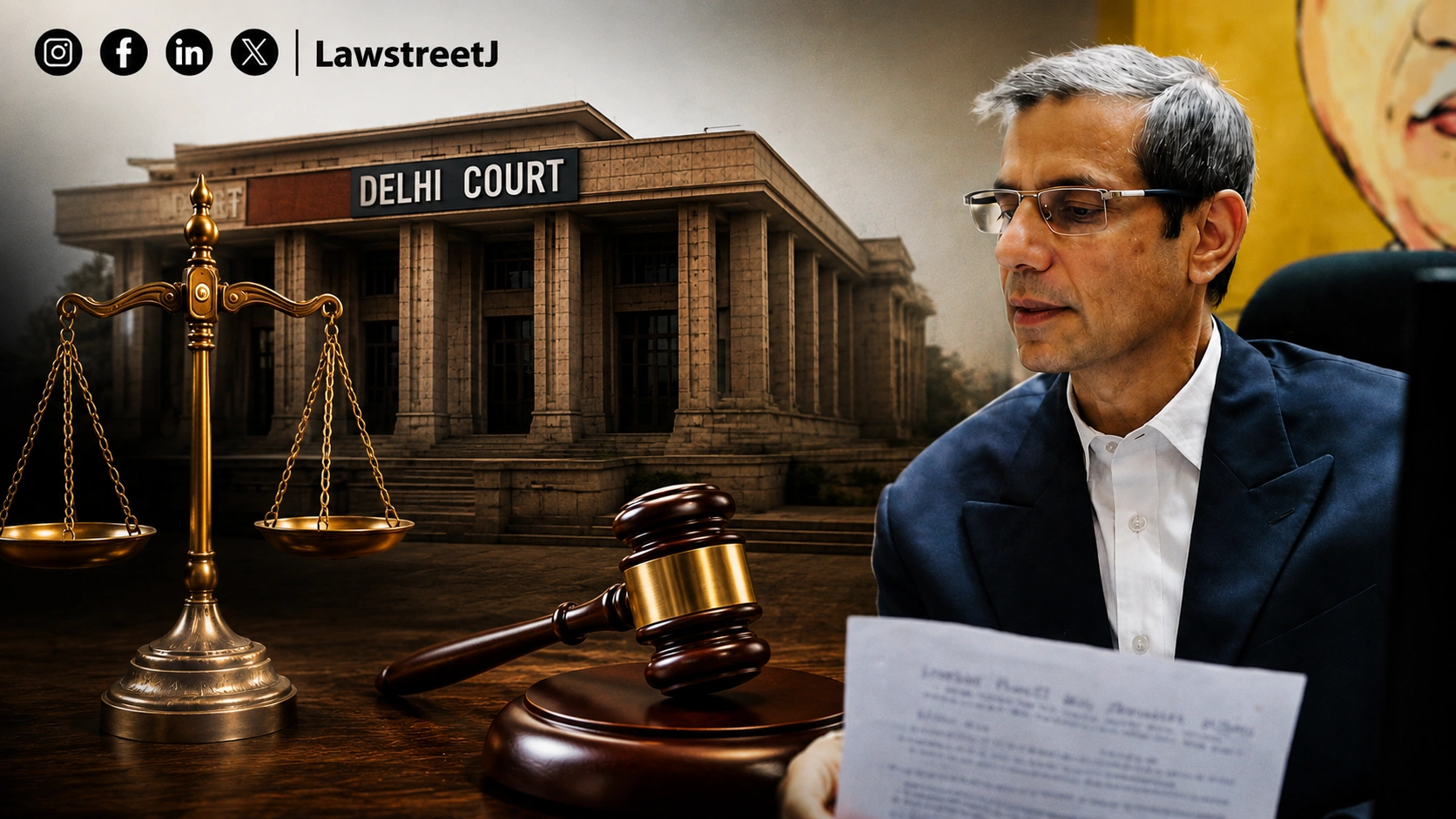
Additional Senior Civil Judge Medha Arya of the Patiala House Court passed the order on August 14, 2026, directing the execution of the property attachment after Pracha failed to file any objections despite multiple opportunities.
The execution petition was filed by the New Delhi District Legal Services Authority (NDLSA), the body to which the fine was ordered to be paid. Advocate Gorang Goyal appeared on behalf of the NDLSA during the proceedings. While issuing the warrants of attachment, Judge Arya granted the court-appointed Bailiff the authority to break open locks, if necessary, to execute the property attachment. The court has scheduled the next hearing for the matter on October 1, 2026.
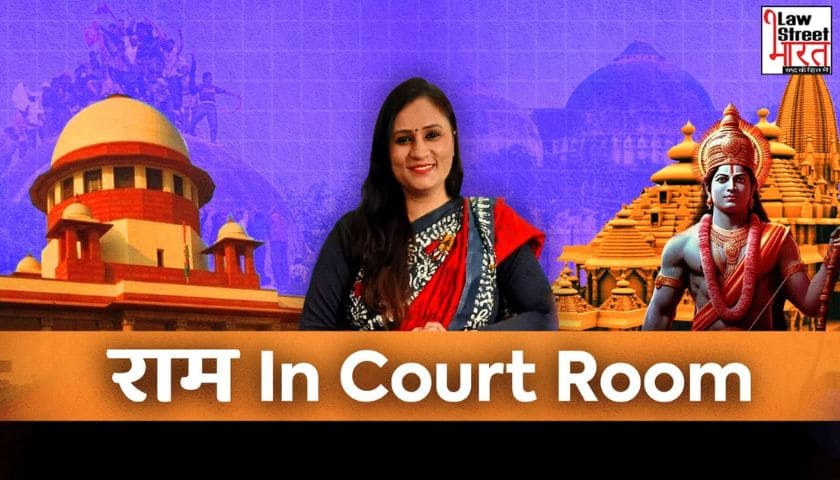
The proceedings stem from a civil lawsuit filed by Pracha seeking to declare the 2019 Supreme Court Ayodhya judgment "null and void". The historic 2019 verdict had unanimously awarded the disputed land to the deity Ram Lalla Virajman for temple construction, while granting Muslims a separate five-acre plot. A civil judge initially dismissed Pracha's suit as an abuse of process and imposed a ₹1 lakh fine.
Pracha challenged the dismissal by filing a revision plea before the district court. On October 18, 2025, District Judge Dharmender Rana dismissed the revision plea and added a ₹5 lakh fine, bringing the total to ₹6 lakh. Judge Rana observed that the original ₹1 lakh penalty had failed to achieve a deterrent effect and emphasized the need to check "frivolous and luxurious litigation" with an iron hand.
Pracha's lawsuit was based on a 2024 public speech delivered in Pune by former Chief Justice of India D.Y. Chandrachud, who was on the bench that decided the Ayodhya case. Pracha claimed the former CJI admitted the verdict was based on a "solution provided to him by Bhagwan Shri Ram Lala Virajmaan," which he argued amounted to fraud. Rejecting this, Judge Rana held that the former CJI's reference to praying to God was a spiritual reflection and not an admission of bias.
Also Read: Delhi Court Rejects Plea Against Ayodhya Judgment, Slaps ₹6 Lakh Costs on Advocate Mehmood Pracha
The court highlighted several legal barriers in the petition, noting that Pracha had no standing as he was not a party to the original Ayodhya dispute. Furthermore, the suit was barred by the Judges Protection Act, 1985, which prohibits civil or criminal proceedings against judges for judicial actions. The court found that Pracha had improperly impleaded the former CJI as the "next friend" of the deity, revealing an "oblique intent" to target a public official soon after his retirement.
Finally, Judge Rana criticized the growing trend of targeting public functionaries after they demit office, emphasizing that courts and the Bar have a duty to ensure a peaceful retirement for those who served the nation. He stated that the already overburdened dockets of courts cannot sustain luxurious and frivolous litigations. The judge remarked that Pracha, despite being a senior counsel, had chosen to augment the judiciary's problems rather than participate in constructive solutions.