New Delhi, India  
Judiciary

Social Media Reel-Makers Cannot Claim Journalistic Protection: Delhi Police tells SC

By Saket Sourav      19 November, 2026 08:31 AM      0 Comments
Social Media Reel Makers Cannot Claim Journalistic Protection Delhi Police tells SC

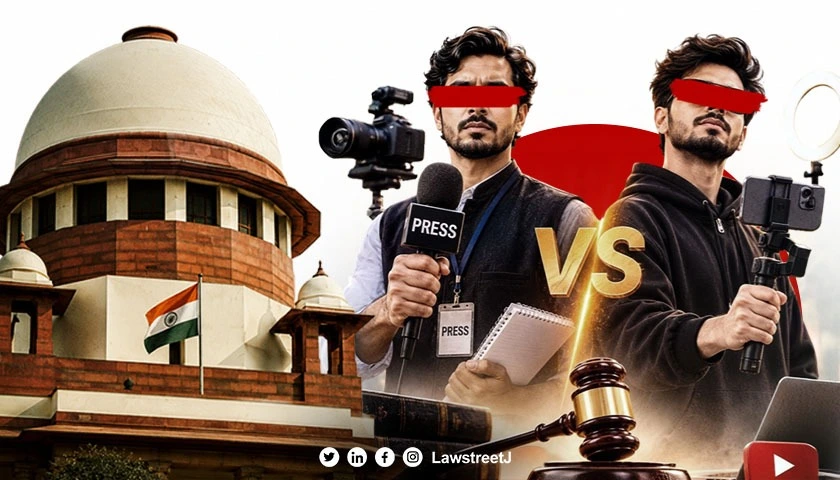
New Delhi: The Delhi Police has told the Supreme Court that social media content creators and “reel-makers” carrying cameras and microphones cannot automatically claim the protections available to professional journalists.

The submission was made in response to petitions by media bodies alleging that journalists covering the anti-Chief Election Commissioner protests at Jantar Mantar were obstructed and detained.

The batch of petitions has been filed by media organisations including the Network of Women in Media, the Free Speech Collective, the Delhi Union of Journalists and the Kerala Union of Working Journalists. The counter-affidavit was filed on behalf of the police by Joint Commissioner of Police Surender Kumar.

The Delhi Police argued that the Supreme Court’s order of 11 October, directing that lawyers, journalists and other professionals should not be hindered, was meant to protect bona fide journalists. According to the affidavit, the order was not intended to exempt social media influencers or unruly protesters from general laws or lawful police directions at protest sites. It added that, while citizens may upload and commercially exploit digital content, whether reel-makers can be treated as reporters remains to be determined on the predominant intent behind their activities.

On the allegation of obstruction, the police denied any deliberate action to restrict reporting. It said that any brief detentions resulted from mistaken identity or necessary crowd-control measures, and that several individuals carrying cameras took part in slogan-shouting, which made it difficult for officers on the ground to tell working journalists from protesters. It also denied seizing equipment from media personnel.

The affidavit clarified that accreditation with the Press Information Bureau is not mandatory, and that identity cards issued by media organisations are accepted as an alternative under the police guidelines of 5 October. To support the distinction between journalism and content creation, the police cited the Central Media Accreditation Guidelines, 2022, and the Occupational Safety, Health and Working Conditions Code, 2020.


Share this article:

About:

Saket is a law graduate from The National Law University and Judicial Academy, Assam. He has a keen ...Read more

Follow:
Linkedin


Leave a feedback about this
Related Posts
View All

Another CBI Officer Investigating Rakesh Asthana Moves SC Against Transfer, Makes Startling Revelations Another CBI Officer Investigating Rakesh Asthana Moves SC Against Transfer, Makes Startling Revelations

After A.K. Bassi, another CBI officer who was investigating corruption allegations against Special Director Rakesh Asthana moved the Supreme Court.

Ayodhya verdict: SC rules in favour of Ram Lalla, Sunni Waqf Board gets alternate land Ayodhya verdict: SC rules in favour of Ram Lalla, Sunni Waqf Board gets alternate land

SC bench led by CJI Ranjan Gogoi has allotted the dispute site to Ram Janmabhoomi Nyas, while directing the government to allot an alternate 5 acre land within Ayodhya to Sunni Waqf Board to build a mosque.

Supreme Court: Money Spent On Judiciary Less Than 1% In All States Except Delhi Supreme Court: Money Spent On Judiciary Less Than 1% In All States Except Delhi

The court guided all states to document their response to the commission's report within four weeks. If any of the states fail to file a response, it will be presumed that they have no objections to the recommendations made by the commission, the court said.

Supreme Court Top Panel Names Chief Justices for Bombay, Orissa and Meghalaya High Courts Supreme Court Top Panel Names Chief Justices for Bombay, Orissa and Meghalaya High Courts

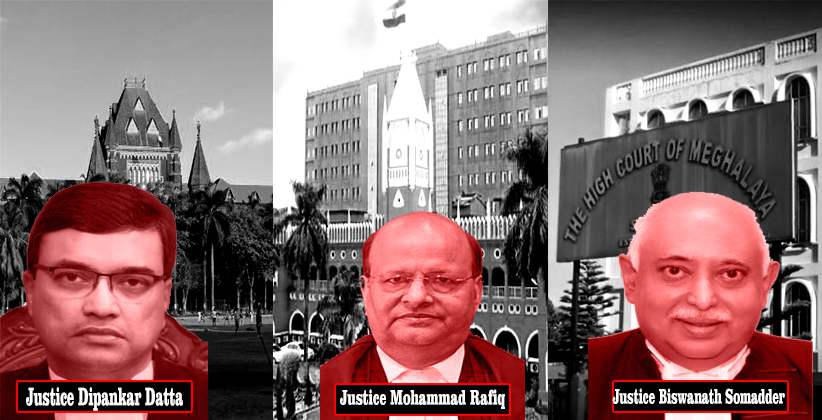
On April 18, 2020, the Supreme Court Collegium recommended new Chief Justices for three High Courts. Justice Dipankar Datta was proposed as Chief Justice of the Bombay High Court, succeeding Justice B.P. Dharmadhikari. Justice Biswanath Somadder was nominated as Chief Justice of Meghalaya High Court, while Justice Mohammad Rafiq was recommended for transfer as Chief Justice of Orissa High Court.

New Release

Senior Citizens Rights Handbook

The Senior Citizen Rights Handbook is a comprehensive guide designed to empower elderly citizens with clear and accessible knowledge of their legal and social rights in India.

Join Group

Signup for Our Newsletter

Get Exclusive access to members only content by email