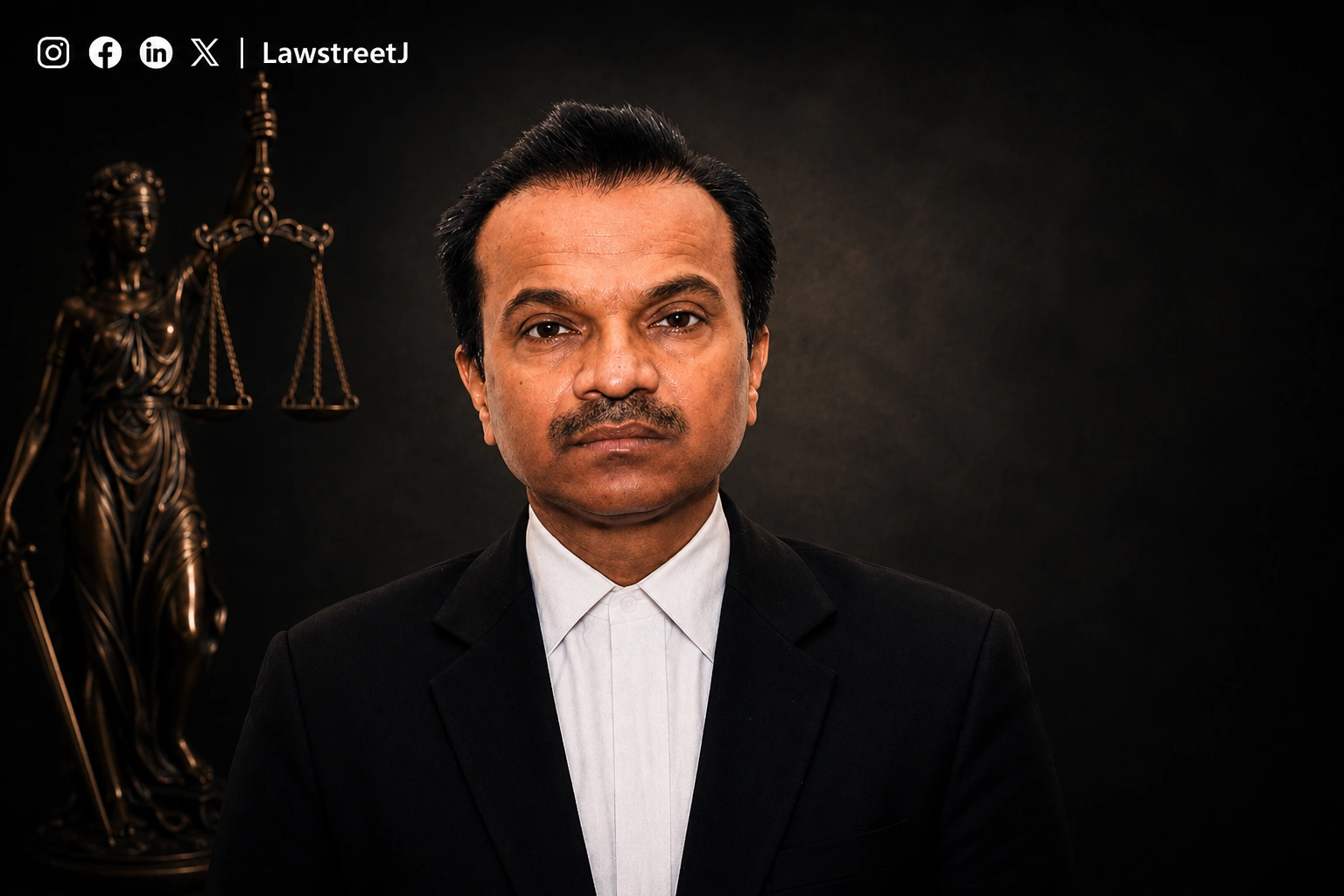
A Judge named Axay Kumar Dwivedi, in Madhya Pradesh, has garnered widespread national attention for his decision to lead a life of extreme simplicity. Standing in sharp contrast to the administrative privileges usually associated with his high office, Judge Dwivedi has reportedly rejected various government facilities, including an official bungalow and a VIP car. Instead, he resides in a modest single room, prepares his own meals, and walks to the courtroom every day to discharge his judicial duties.
The judicial officer's commitment to austerity extended to a formal request submitted to the Madhya Pradesh High Court, where he sought to have his monthly salary reduced by half. He has conveyed to the administration that he requires only the bare minimum facilities to sustain himself and perform his professional responsibilities. Reports indicate that he owns very little personal property, with a mobile phone gifted by his mother being one of his few possessions. Furthermore, he has chosen to remain unmarried and has expressed a willingness to serve in any required location with minimal administrative support.
The motivation behind these unusual personal choices is deeply rooted in his childhood experiences. It is reported that Judge Dwivedi witnessed his mother enduring significant emotional and physical strain during a property dispute that lasted for many years. Watching her navigate the complexities and systemic delays of the court system left a lasting impression on him, eventually inspiring him to pursue a career in the judiciary. His primary goal was not to gain power or status but to ensure that ordinary litigants do not face the same hardships his mother experienced.
This personal history continues to influence his approach on the bench, where he is known for making conscious efforts to ensure that legal disputes move efficiently through the system. He specifically prioritises property and family disputes, aiming to resolve them in the shortest time possible to alleviate the burden on families. Colleagues and local observers note that his judicial style is defined by a desire to reduce unnecessary delays and help citizens receive timely justice.
In one notable example cited in reports, Judge Dwivedi resolved a complex land forgery case the 'Iqbal Bhure Khan' matter in just a few days. In this case, fraud had deprived a family of their land using forged documents; while such civil matters often take years to settle, he conducted marathon hearings to provide immediate relief. Such actions have reinforced his reputation for prioritising the needs of the common citizen over judicial traditions that may lead to prolonged litigation.
His lifestyle and professional ethics have resonated deeply with the public, particularly on social media, where many have described him as a symbol of selflessness and integrity. His actions are viewed by supporters as a rare example of a public servant aligning personal conduct with the core values of public service. By voluntarily detaching himself from material comforts, he has prompted discussions regarding accountability and the true purpose of public office in modern governance.
Ultimately, the accounts of Judge Axay Kumar Dwivedi's life suggest that judicial integrity can be reflected not only through legal orders but also through the personal values a judge brings to public life. For many litigants who have waited years for outcomes, his example provides a sense of hope that empathy and humility can still exist within institutional frameworks. While judicial performance is traditionally assessed by adherence to the rule of law, his choice to live with restraint has become a significant narrative in the ongoing dialogue about public duty and institutional trust.


![Supreme Court Frees Death Row Convicts Due to Flawed Investigation in 2013 Kidnap Murder Case [Read Judgment]](/secure/uploads/2023/09/lj_8975_1adddeb4-b0a7-46df-a9cc-4af7ecac44ec.jpg)
![Supreme Court Upholds Stringent Standards for Police Employment, Rejects Man's Plea After POCSO Act Acquittal in Madhya Pradesh [Read Judgment]](/secure/uploads/2023/09/lj_4880_7f215c01-85ff-4067-aba6-2efff4635636.jpg)